




How Long Will a Shipping Container Last Buried in the Ground?
Burying a shipping container seems like a clever way to create underground storage or shelter. Many people assume these steel boxes will last decades underground just like they do above ground.
A shipping container buried in the ground will typically last 10-25 years before structural integrity becomes compromised, depending on soil conditions, drainage, and protective measures. Without proper preparation, corrosion can cause failure in as little as 5-7 years.
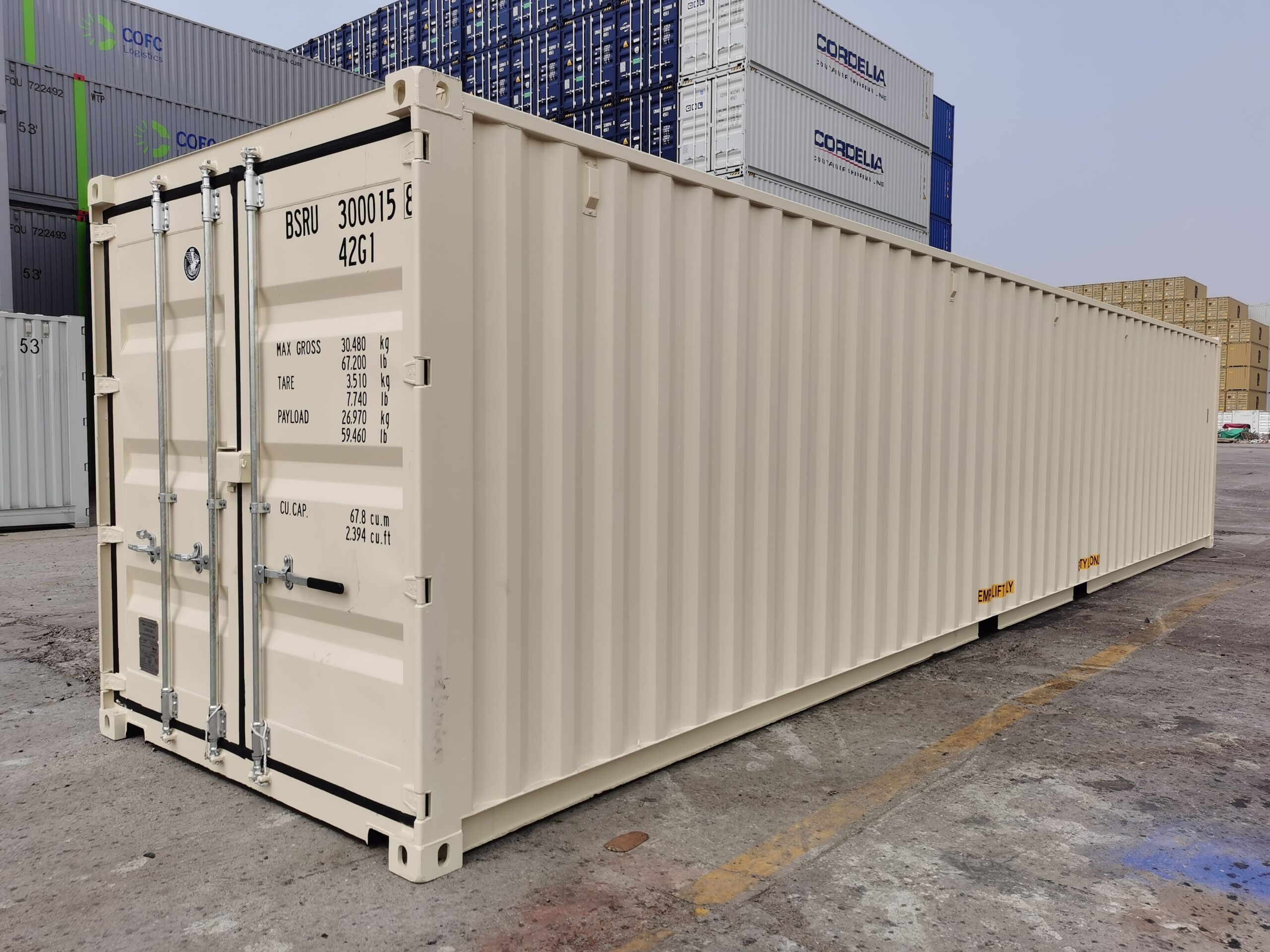
After selling containers for residential and commercial projects over many years, I have learned that burial applications require completely different engineering approaches than surface use. The container's original design assumptions no longer apply underground.
Can a Shipping Container Withstand a Tree Falling on It?
Shipping containers appear incredibly strong, leading many people to assume they can handle any impact. The reality of structural performance under concentrated loads tells a different story.
A shipping container can potentially survive a tree falling on it depending on the tree size, impact angle, and container condition, but the corrugated steel roof is designed for distributed loads, not concentrated impact forces from large falling objects.
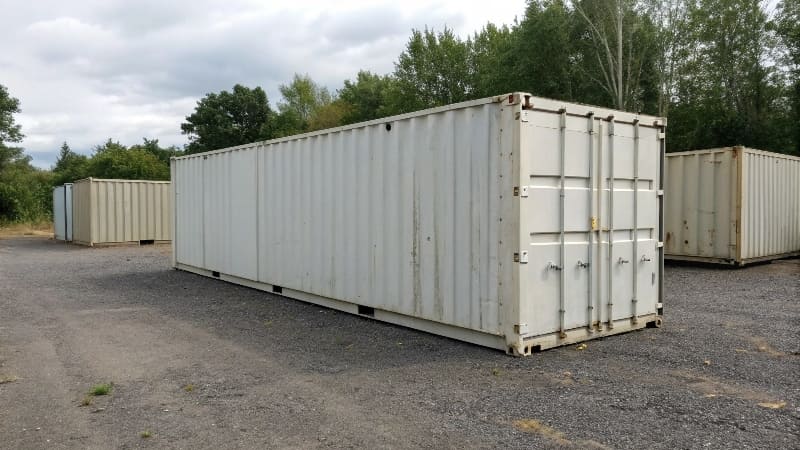
Understanding the Engineering Limits of Container Construction
Shipping containers are engineering marvels designed for specific load conditions. The structural strength concentrates in the corner posts and frame rails where cranes attach and containers stack. This design works perfectly for transportation and stacking but creates vulnerabilities under different loading scenarios.
The roof structure consists of corrugated steel panels spanning between the top rails. This design handles distributed loads from container stacking very well. A fully loaded 40-foot container weighs up to 67,200 pounds, and containers routinely stack 9 high in ports. However, this same roof cannot handle concentrated point loads equivalent to the distributed weight.
Tree impact creates entirely different forces than the designers intended. A large oak tree can weigh several tons concentrated into the trunk diameter where it hits. The impact energy depends on falling height and tree mass. Most container roofs will dent, buckle, or puncture under this type of concentrated loading.
Container age and condition significantly affect impact resistance. New containers with full paint protection and no corrosion handle impacts better than older units with rust or previous damage. Structural modifications like skylights, vents, or cuts weaken the roof system and reduce impact resistance further.
The impact angle matters enormously for survival chances. A tree hitting lengthwise along the roof ridge distributes forces better than perpendicular impact across the corrugated panels. Glancing blows that slide off cause less damage than direct perpendicular strikes that concentrate all energy into a small area.
Recovery after tree impact depends on damage location and extent. Minor roof denting may not compromise structural integrity if corner posts and rails remain intact. Major punctures or frame damage can make the container unsafe for continued use, especially in stacking applications.
| Tree Size Category | Estimated Impact Force | Likely Container Damage | Structural Integrity |
|---|---|---|---|
| Small (6-8 inch diameter) | 2-5 tons | Roof denting | Probably maintained |
| Medium (12-18 inch diameter) | 8-15 tons | Significant roof damage | Questionable |
| Large (24+ inch diameter) | 20+ tons | Severe structural damage | Likely compromised |
Is a Shipping Container Safer Than a Mobile Home in a Tornado?
Tornado safety comparisons require understanding wind loads, structural anchoring, and debris impact resistance. The marketing around container storm shelters often oversells their protective capabilities.
A properly anchored shipping container offers better tornado protection than a typical mobile home due to superior structural strength and lower profile, but it requires significant modifications and professional anchoring to achieve rated storm shelter performance.
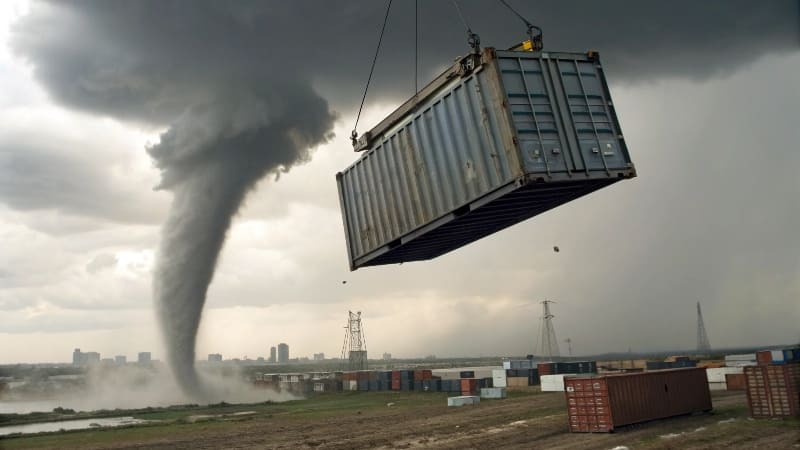
The Reality of Storm Protection Performance
Mobile homes have earned a reputation for poor tornado performance due to lightweight construction, inadequate anchoring, and high wind profile. However, shipping containers are not automatically superior without proper preparation and installation. The comparison requires examining specific performance factors rather than making broad assumptions.
Wind resistance depends primarily on anchoring systems rather than container strength alone. Unanchored containers can be lifted and thrown by tornado winds just like mobile homes. The container's weight advantage - typically 8,000-10,000 pounds empty versus 20,000-80,000 pounds for mobile homes - provides some stability but insufficient protection against EF3+ tornadoes with winds exceeding 165 mph.
Proper anchoring transforms container performance dramatically. Professional storm shelter installations use concrete foundations, steel anchor bolts, and tie-down systems rated for extreme wind loads. These modifications can achieve FEMA 320 or ICC 500 storm shelter standards that mobile homes cannot meet without major reconstruction.
Debris impact resistance favors containers significantly. The corrugated steel walls handle flying debris better than mobile home siding, windows, and doors. However, container doors and any modifications create vulnerability points. Storm shelter conversions typically reinforce or eliminate standard container doors and add impact-resistant ventilation systems.
Interior space and occupant protection differ substantially between the options. Mobile homes provide normal living space but poor storm protection. Container storm shelters offer excellent protection but extremely limited space - typically accommodating 6-8 people maximum in a 20-foot container. The psychological stress of confinement during extended tornado events can be significant.
Cost analysis reveals important tradeoffs. A basic used container costs $3,000-8,000 but requires $15,000-30,000 in professional modifications to achieve rated storm shelter performance. Mobile homes cost $50,000-150,000 but provide full living accommodation. Adding a separate storm shelter to mobile home property may be more cost-effective than container conversion.
Legal and code compliance issues affect both options. Many jurisdictions have specific requirements for permanent structures, storm shelters, and mobile home installations. Container modifications must meet local building codes and may require professional engineering certification for storm shelter ratings.
What States Don't Allow Container Homes for Permanent Residence?
Container home regulations vary dramatically between states and local jurisdictions. Understanding legal limitations prevents expensive mistakes and project failures.
No states completely prohibit container homes, but many local jurisdictions restrict or ban them through zoning codes, building standards, or permitting requirements that make compliance difficult or impossible for residential use.
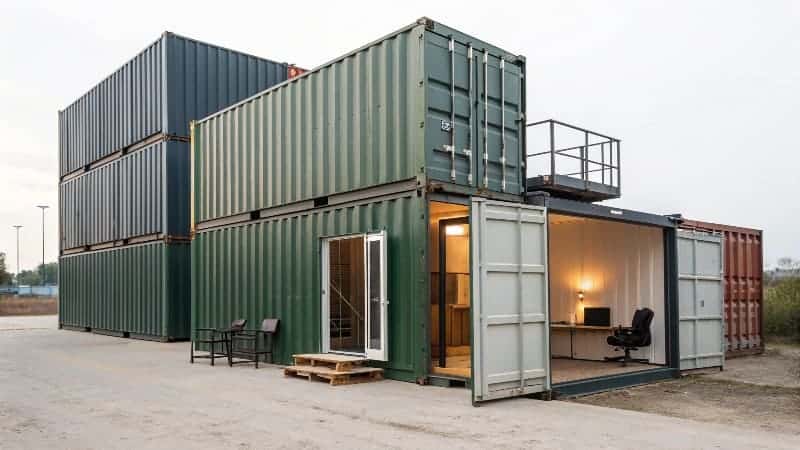
Navigating the Complex Regulatory Landscape
The legal status of container homes reflects broader tensions between housing innovation and traditional building codes. Most resistance occurs at county and municipal levels rather than state government, creating a patchwork of regulations that can change dramatically between neighboring communities.
Building code compliance creates the primary barrier in restrictive jurisdictions. International Residential Code (IRC) requirements for insulation, electrical systems, plumbing, and structural modifications can make container conversions expensive and complex. Some areas require professional engineering for any structural modifications, adding significant cost and complexity.
Zoning restrictions often target container homes indirectly through aesthetic standards, minimum square footage requirements, or prohibitions on "industrial" structures in residential areas. These rules may not specifically mention containers but effectively prevent their use for housing.
Permit processes vary enormously between jurisdictions. Progressive areas treat container homes like other alternative building methods, requiring standard residential permits with appropriate inspections. Restrictive areas may refuse permits entirely or create approval processes so complex and expensive that projects become unfeasible.
Foundation requirements affect container home viability significantly. Some codes require permanent foundations that eliminate the mobility advantage of containers. Others allow pier or slab foundations that preserve the structure's transportable nature while meeting local requirements.
The most container-friendly states include Texas, California, Tennessee, and Louisiana, where state-level support and flexible local codes enable container housing projects. These areas often have specific provisions for alternative building methods or disaster-resistant construction that accommodate containers.
Restrictive areas typically include upscale suburban communities with strict architectural standards, historic districts with preservation requirements, and rural areas with traditional building preferences. However, attitudes are changing as housing costs rise and environmental concerns increase.
| Regulatory Factor | Container-Friendly Areas | Restrictive Areas |
|---|---|---|
| Building code flexibility | Alternative methods allowed | Strict traditional requirements |
| Zoning accommodation | Mixed-use, innovative housing | Single-family residential only |
| Permit process | Standard residential permits | Special approvals required |
| Foundation requirements | Flexible options allowed | Permanent foundations mandated |
| Inspection approach | Performance-based standards | Prescriptive compliance only |
Success in restrictive areas often requires working with experienced professionals who understand local codes and have relationships with building officials. Some projects succeed by meeting all traditional requirements while using containers as the structural system.
The regulatory landscape continues evolving as container homes gain acceptance and housing shortages drive policy changes. Communities that once prohibited container housing are reconsidering these restrictions as attitudes toward alternative building methods shift.
Conclusion
Shipping containers offer unique structural advantages and challenges that require careful engineering analysis, proper preparation, and regulatory compliance to achieve safe and legal residential applications.
