




How Long Does It Take For A Shipping Container To Rust?
A shipping container can begin showing surface rust within 2–5 years in harsh coastal environments, while containers in dry inland areas may take 5–8 years or longer to show visible corrosion. Maintenance and environmental exposure strongly affect rust speed.
TRUSUS container insight: rust is not only an appearance issue. It directly affects structural life, resale value, and long-term operating cost.
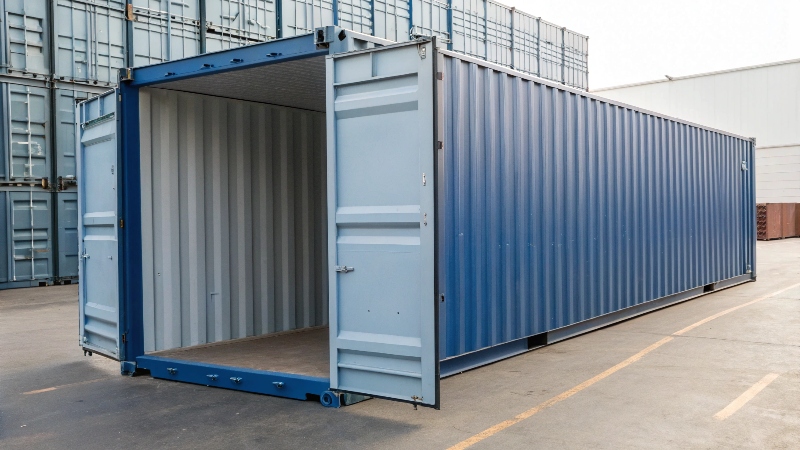
I increasingly see customers treat containers as long-term assets instead of temporary storage units.
That changes how people think about corrosion protection.
Main Factors That Affect Rust Speed
| Factor | Impact |
|---|---|
| Salt air exposure | Accelerates corrosion |
| High humidity | Increases moisture retention |
| Poor maintenance | Speeds paint failure |
Environment plays a major role in steel durability.
Typical Rust Timeline By Environment
| Environment | Visible Rust Timeline |
|---|---|
| Coastal areas | 2–5 years |
| Humid industrial zones | 3–6 years |
| Dry inland regions | 5–8+ years |
Climate conditions change corrosion rates significantly.
Why Rust Starts On Containers
| Common Rust Area | Reason |
|---|---|
| Roof panels | Water pooling |
| Weld seams | Coating weakness |
| Bottom rails | Ground moisture exposure |
Rust often begins in moisture-trapping areas.
Why Maintenance Changes Lifespan
| Maintenance Level | Expected Result |
|---|---|
| Regular repainting | Longer lifespan |
| Annual inspection | Early damage detection |
| Immediate repair | Reduced corrosion spread |
Preventive care is more effective than major repairs.
Why Customers Now Ask More About Rust
| Traditional Container Buying | Modern Asset-Focused Buying |
|---|---|
| Short-term use focus | Long-term ownership focus |
| Price-first decisions | Lifecycle-value decisions |
| Basic appearance checks | Structural condition analysis |
Container ownership is becoming more investment-oriented.
The Industry Shift Behind Rust-Lifespan Questions
| Traditional Container Sales | Modern Asset-Management Service |
|---|---|
| One-time transactions | Long-term value support |
| Product delivery focus | Lifecycle management focus |
| Basic condition reporting | Corrosion-risk consulting |
I increasingly believe corrosion management will become a core container service category.
To What Extent Can A Container Be Rusted Before It Cannot Be Purchased?
A container should generally not be purchased if rust has severely weakened structural parts such as corner posts, bottom rails, roof panels, or door frames. Light surface rust is usually acceptable and repairable.
TRUSUS inspection insight: not all rust has the same risk level. Structural corrosion matters far more than cosmetic surface rust.
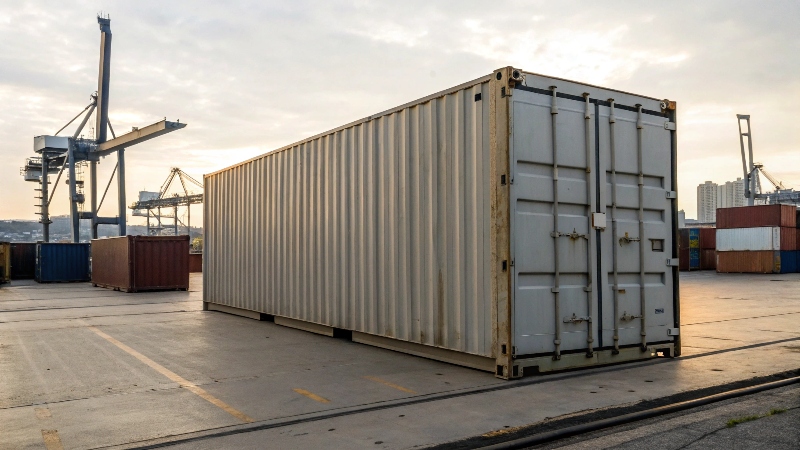
I increasingly see buyers become more technical during inspections because appearance alone does not show actual structural condition.
Good evaluation protects long-term value.
Acceptable Rust Conditions
| Rust Condition | Purchase Suitability |
|---|---|
| Light surface rust | Usually acceptable |
| Minor paint bubbling | Often repairable |
| Small isolated corrosion spots | Common in used containers |
Cosmetic rust alone is not usually a major problem.
Dangerous Rust Conditions
| Structural Area | Warning Sign |
|---|---|
| Corner posts | Deep corrosion |
| Floor cross members | Structural thinning |
| Door frame | Misalignment or weakness |
Structural integrity is the priority.
Signs A Container May Be Too Damaged
| Inspection Issue | Risk |
|---|---|
| Holes in steel panels | Water intrusion |
| Severe floor weakness | Load failure risk |
| Large-scale corrosion | Reduced lifespan |
Heavy corrosion can create safety problems.
Why Professional Inspection Matters
| Inspection Area | Benefit |
|---|---|
| Structural assessment | Better safety evaluation |
| Remaining lifespan estimate | Better investment planning |
| Repair-cost analysis | Smarter purchasing decisions |
Professional evaluation reduces hidden risk.
Why Buyers Are Becoming More Careful
| Traditional Used-Container Market | Modern Asset-Value Market |
|---|---|
| Basic usability focus | Long-term asset planning |
| Low-price priority | Condition-based value analysis |
| Limited technical review | Detailed inspection standards |
Customers increasingly think like asset managers.
The Industry Shift Behind Rust-Acceptance Questions
| Traditional Container Trading | Modern Technical-Evaluation Service |
|---|---|
| Quick resale focus | Long-term value protection |
| Appearance-driven sales | Engineering-condition assessment |
| Basic quality grading | Lifecycle-risk analysis |
I increasingly see technical inspection become part of premium container sales.
How To Keep A Shipping Container From Rusting?
The best way to prevent shipping-container rust is through regular cleaning, protective coatings, moisture control, drainage management, and routine inspections. Preventive maintenance can extend container life by many years.
TRUSUS maintenance insight: corrosion prevention is much cheaper than structural repair or container replacement.
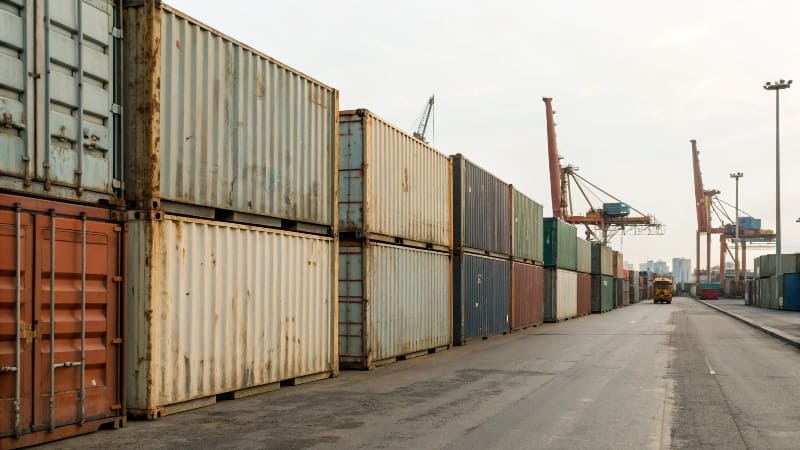
I increasingly see professional container owners treat maintenance as part of investment protection instead of optional upkeep.
Small preventive actions create major long-term savings.
Core Rust-Prevention Methods
| Protection Method | Purpose |
|---|---|
| Anti-rust primer | Steel protection |
| Quality topcoat paint | Weather resistance |
| Surface cleaning | Salt and dirt removal |
Protective layers slow corrosion growth.
Why Drainage Matters
| Water Problem | Corrosion Risk |
|---|---|
| Standing roof water | Roof rust |
| Ground moisture | Bottom corrosion |
| Poor site drainage | Continuous humidity exposure |
Water control is critical for steel longevity.
Best Maintenance Practices
| Maintenance Action | Recommended Frequency |
|---|---|
| Visual inspection | Every 6–12 months |
| Paint touch-up | As needed |
| Full coating review | Every few years |
Regular maintenance prevents major deterioration.
Why Elevating Containers Helps
| Elevated Foundation Benefit | Result |
|---|---|
| Better airflow | Reduced moisture |
| Improved drainage | Lower corrosion risk |
| Reduced ground contact | Longer floor life |
Foundation design affects corrosion performance.
Why Corrosion Prevention Is Becoming More Important
| Traditional Container Ownership | Modern Lifecycle Management |
|---|---|
| Reactive repair approach | Preventive maintenance planning |
| Short-term operational focus | Asset-preservation strategy |
| Minimal maintenance | Planned maintenance systems |
Container ownership is becoming more professionalized.
The Industry Shift Behind Rust-Prevention Questions
| Traditional Container Market | Modern Maintenance-Service Market |
|---|---|
| Product transaction focus | Long-term asset-support focus |
| Basic usage guidance | Corrosion-management consulting |
| Simple ownership model | Lifecycle-service model |
I increasingly believe preventive maintenance services will become a major growth area in the container industry.
How To Weatherproof A Shipping Container?
Shipping containers can be weatherproofed using corrosion-resistant coatings, proper sealing, insulation, ventilation systems, elevated foundations, and water-management design. Complete weatherproofing protects both the container structure and the contents inside.
TRUSUS weatherproofing insight: long-term container performance depends on controlling moisture, heat, airflow, and corrosion together.
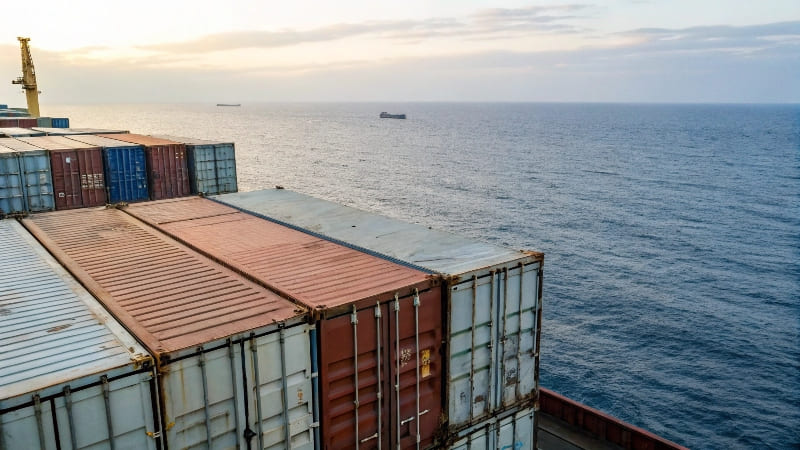
I increasingly see customers realize that weatherproofing is not one single product but a full protection system.
Integrated protection creates longer service life.
Main Weatherproofing Systems
| Weatherproofing Method | Purpose |
|---|---|
| Waterproof coatings | Surface protection |
| Sealant systems | Leak prevention |
| Roof treatment | UV and rain resistance |
Multiple systems work together.
Why Ventilation Is Important
| Ventilation Benefit | Result |
|---|---|
| Reduced condensation | Lower rust risk |
| Better airflow | Drier interior |
| Moisture reduction | Better cargo protection |
Ventilation controls internal humidity.
Why Insulation Helps
| Insulation Benefit | Impact |
|---|---|
| Temperature stability | Reduced condensation |
| Interior comfort | Better usability |
| Energy efficiency | Lower operating cost |
Insulation improves both protection and usability.
Site Preparation For Weatherproofing
| Site Feature | Benefit |
|---|---|
| Elevated base | Better drainage |
| Gravel foundation | Reduced moisture retention |
| Sloped surroundings | Improved rainwater control |
Good site planning supports long-term protection.
Why Weatherproofing Standards Are Rising
| Traditional Container Usage | Modern Permanent Container Usage |
|---|---|
| Temporary storage | Long-term installation |
| Simple transport role | Functional living and working spaces |
| Minimal environmental control | Full climate-management systems |
Container applications are becoming more sophisticated.
The Industry Shift Behind Weatherproofing Questions
| Traditional Container Industry | Modern Container-Solution Industry |
|---|---|
| Basic steel-box supply | Engineered environment solutions |
| Product-focused thinking | Long-term performance planning |
| Short-term utility | Asset-value optimization |
I increasingly see weatherproofing become a central part of container lifecycle consulting.
Conclusion
At TRUSUS, I see shipping containers evolving from temporary steel products into long-term managed assets. Future industry value will come from corrosion prevention, lifecycle maintenance, weather protection, and professional asset-management support.
