




How Long Does a Used Shipping Container Last for Static Storage?
A used shipping container can last around 20 to 30 years in static storage with proper upkeep. Longevity depends more on maintenance than age or previous use.
TRUSUS asset insight: retirement turns durability into manageability.
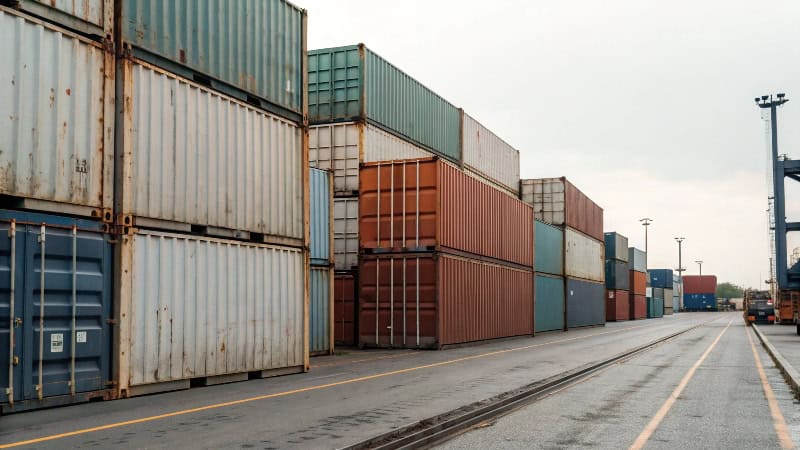
Once decommissioned from transport service, the container moves from a high‑stress logistics system into a stable, low‑impact environment. If the floor beams, corner posts, and seals remain intact, and rust prevention is consistent, lifespan can easily double compared to mobile use.
How Do You Prevent and Treat Rust on a Used Steel Shipping Container?
Prevent rust by cleaning surfaces, applying anti‑corrosion primer, and sealing edges before moisture intrusion occurs. Treat existing rust by wire brushing, sanding, and recoating with rust‑inhibiting paint.
TRUSUS maintenance insight: corrosion is not failure—it is a signal for scheduled care.
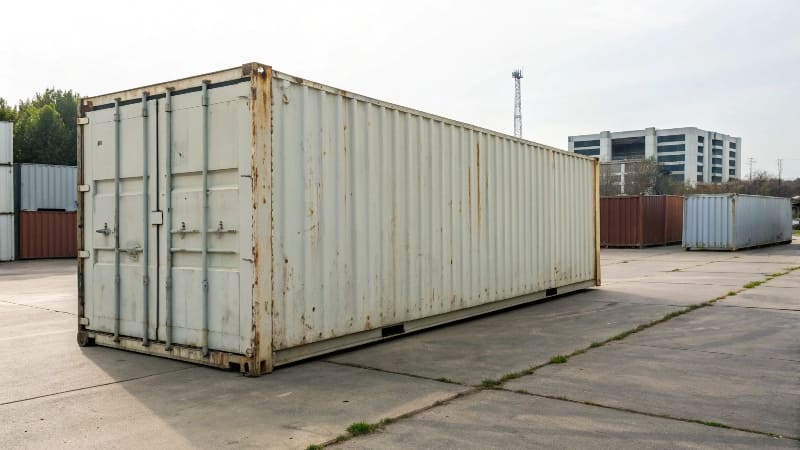
Rust Control Schedule
| Stage | Action | Purpose |
|---|---|---|
| Initial Inspection | Check corner castings, roof seams, base rails | Identify risk zones |
| Pre‑placement Prep | Clean and paint before installation | Create protective layer |
| 2‑Year Maintenance | Recoat exposed surfaces | Slow oxidation |
| 4‑Year Review | Replace sealant and inspect hinges | Extend lifecycle |
I always recommend using marine‑grade epoxy coatings for containers stored near coastal environments. Such paint systems greatly reduce salt oxidation and help maintain resale value.
Do Used Shipping Containers Lose Their Structural Integrity Over Time?
Yes, but gradually and predictably with exposure and neglect. Integrity loss begins at weld joints and load‑bearing beams if moisture enters and accelerates corrosion.
TRUSUS engineering insight: degradation depends more on management than years.
Structural Monitoring Map
| Component | Risk Level | Typical Weakness | Preventive Step |
|---|---|---|---|
| Floor frame | High | Water retention | Elevate and ventilate |
| Corner castings | Medium | Rust at welds | Regular repainting |
| Roof panels | Medium | Standing water dents | Slope and drainage |
| Side walls | Low | Cosmetic rust | Spot treatment |
In my inspections, many fifteen‑year‑old containers still pass static load tests after basic reinforcement. This shows steel fatigue is controllable with planned intervention rather than inevitable decline.
How Often Should You Paint or Seal a Used Steel Container to Protect It?
Repaint or reseal every two to four years, depending on climate and exposure. Coastal or tropical locations require shorter cycles, dry inland areas longer ones.
TRUSUS lifecycle insight: coating is capital protection expressed in paint form.
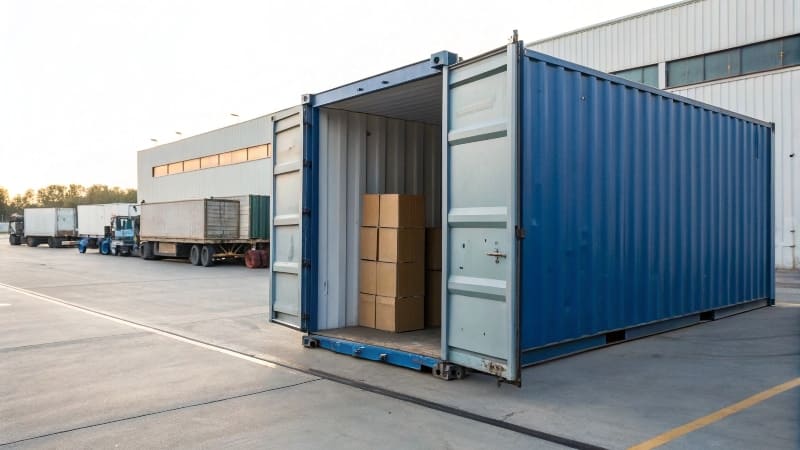
Protective Coating Timeline
| Environment | Maintenance Interval | Recommended Material |
|---|---|---|
| Coastal or humid | Every 2 years | Epoxy‑based marine paint |
| Temperate | Every 3 years | Polyurethane sealant paint |
| Dry inland | Every 4 years | Basic acrylic exterior coat |
| Industrial pollution zone | Every 2–3 years | Zinc‑rich primer + topcoat |
One of my long‑term clients repaints diligently every three years. His containers still look sharp and structurally sound after two decades, proving consistent maintenance defines lifespan more than manufacturing year.
Conclusion
At TRUSUS, I believe a used container’s future depends on care, not luck. With planned maintenance and regular inspection, every box becomes a lasting industrial asset beyond its shipping origin.
