




How Do You Ventilate a Container Shed?
When customers convert containers into storage sheds, they often discover ventilation problems after installation.
Ventilate container sheds using passive airflow systems with intake vents near the floor and exhaust vents near the roof, creating natural convection that removes heat and moisture. Cross-ventilation through opposing walls provides the most effective airflow for storage applications.
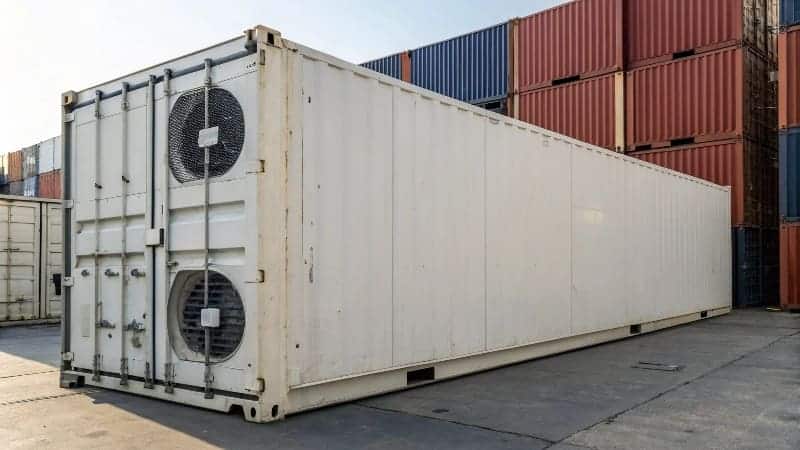
From years of helping customers with container conversions, I've learned that proper ventilation prevents condensation damage, reduces heat buildup, and protects stored items from moisture-related problems.
What Is the Best Way to Ventilate a Shipping Container?
Ventilation strategy depends on container use, climate conditions, and budget considerations.
The best container ventilation combines passive and active systems: passive intake/exhaust vents for basic airflow plus powered exhaust fans for high-heat or high-humidity conditions. Ridge vents with soffit intakes create the most efficient natural airflow pattern.
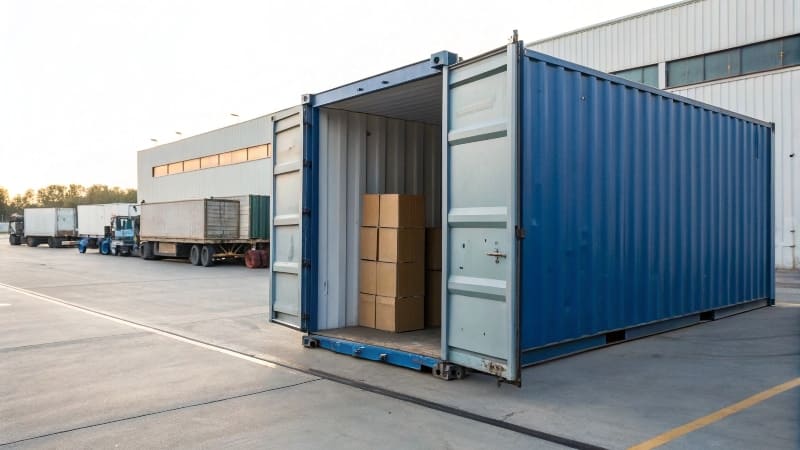
Ventilation System Comparison
Through analyzing different installations and their performance outcomes, certain approaches consistently deliver better results.
| Ventilation Type | Airflow Rate | Cost Range | Best Application |
|---|---|---|---|
| Passive Only | 2-6 air changes/hour | $200-800 | Storage, mild climates |
| Powered Exhaust | 6-15 air changes/hour | $500-1,500 | Workshops, hot climates |
| HVAC Integration | 15+ air changes/hour | $2,000-8,000 | Living spaces, offices |
| Evaporative Cooling | Variable + cooling | $800-2,500 | Hot, dry climates |
| Heat Recovery | Controlled + efficient | $1,500-4,000 | Cold climates, energy efficiency |
Passive systems work well for storage and moderate climates, while powered systems become necessary for occupied spaces or extreme temperatures.
How to Make a Storage Container Home Less Hot?
Heat reduction requires addressing both heat gain prevention and heat removal strategies.
Reduce container home heat through insulation, reflective roofing, strategic ventilation, and window placement. Spray foam insulation plus reflective roof coating can reduce internal temperatures by 20-30°F compared to uninsulated containers.
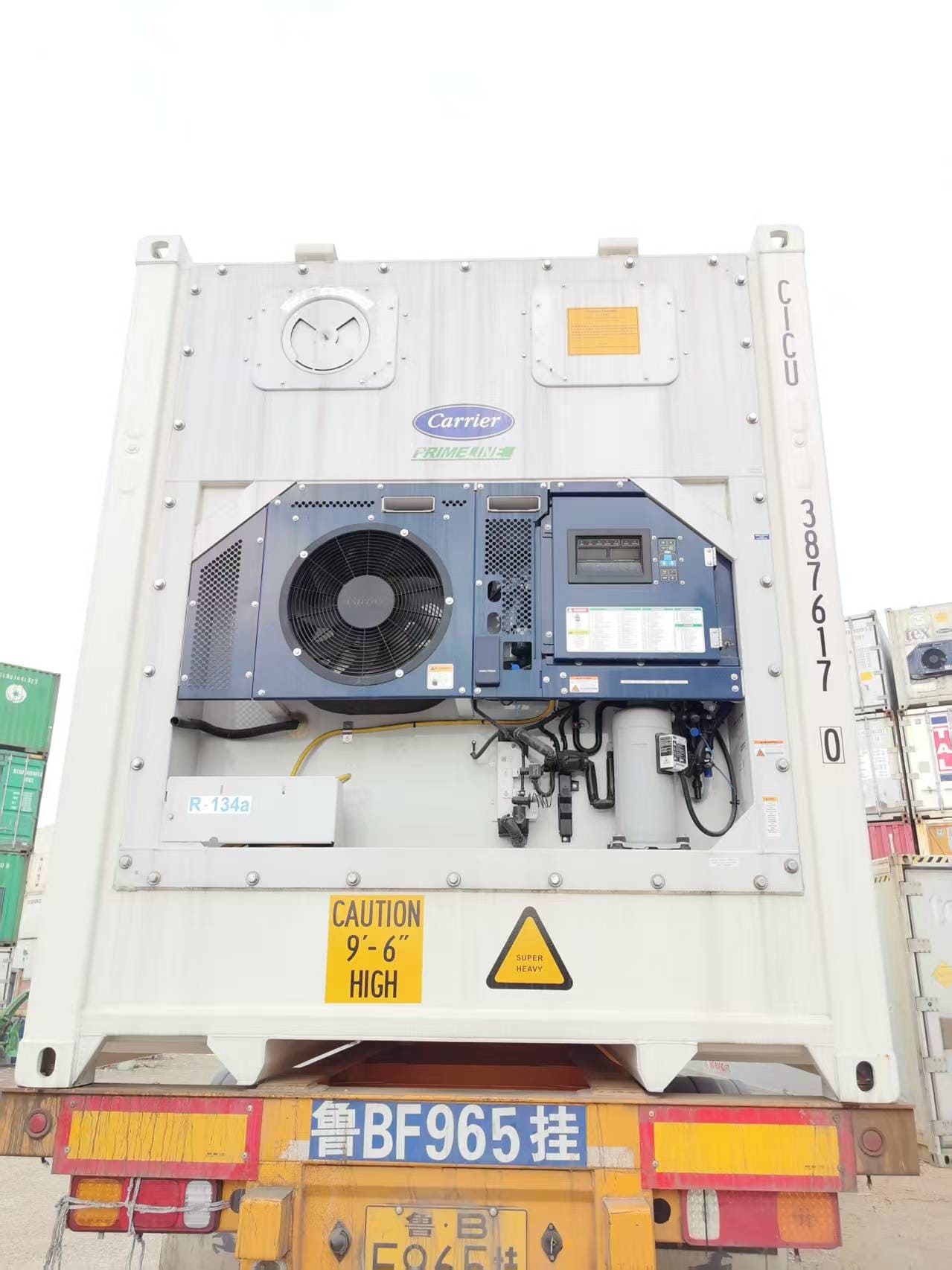
Heat Reduction Strategy Matrix
Based on thermal performance testing and real-world installations, different approaches provide varying levels of temperature control.
| Cooling Strategy | Temperature Reduction | Cost | Installation Complexity |
|---|---|---|---|
| Reflective Roof Coating | 8-15°F | $300-600 | Simple |
| Spray Foam Insulation | 15-25°F | $3,000-6,000 | Professional |
| Double Roof System | 10-20°F | $1,500-3,000 | Moderate |
| Strategic Window Placement | 5-12°F | $500-2,000 | Moderate |
| Cross Ventilation | 8-18°F | $400-1,200 | Simple-Moderate |
| Radiant Barrier | 5-10°F | $200-500 | Simple |
Combined approaches provide exponential benefits—insulation plus reflective coating plus ventilation can achieve 30-40°F temperature reductions.
Comprehensive Cooling System Design
Through successful hot-climate installations, certain combinations consistently achieve comfortable interior temperatures.
| Component | Function | Specification | Installation Priority |
|---|---|---|---|
| Insulation | Heat barrier | R-13 to R-19 minimum | Highest |
| Reflective Roofing | Solar heat rejection | 85%+ reflectance | High |
| Intake Ventilation | Cool air supply | Low wall, north/east side | High |
| Exhaust Ventilation | Hot air removal | High wall/roof, south/west | High |
| Window Overhangs | Solar shading | 18-24" projection | Medium |
| Thermal Mass | Temperature moderation | Interior concrete/stone | Medium |
Insulation installation must address thermal bridging at container ribs and corner posts to prevent heat transfer through metal structure.
Do Storage Sheds Need Ventilation?
Ventilation requirements vary based on stored items, climate, and shed construction materials.
Storage sheds need ventilation to prevent condensation, mold growth, and temperature extremes that damage stored items. Metal sheds require more ventilation than wood sheds due to poor thermal mass and condensation potential on metal surfaces.
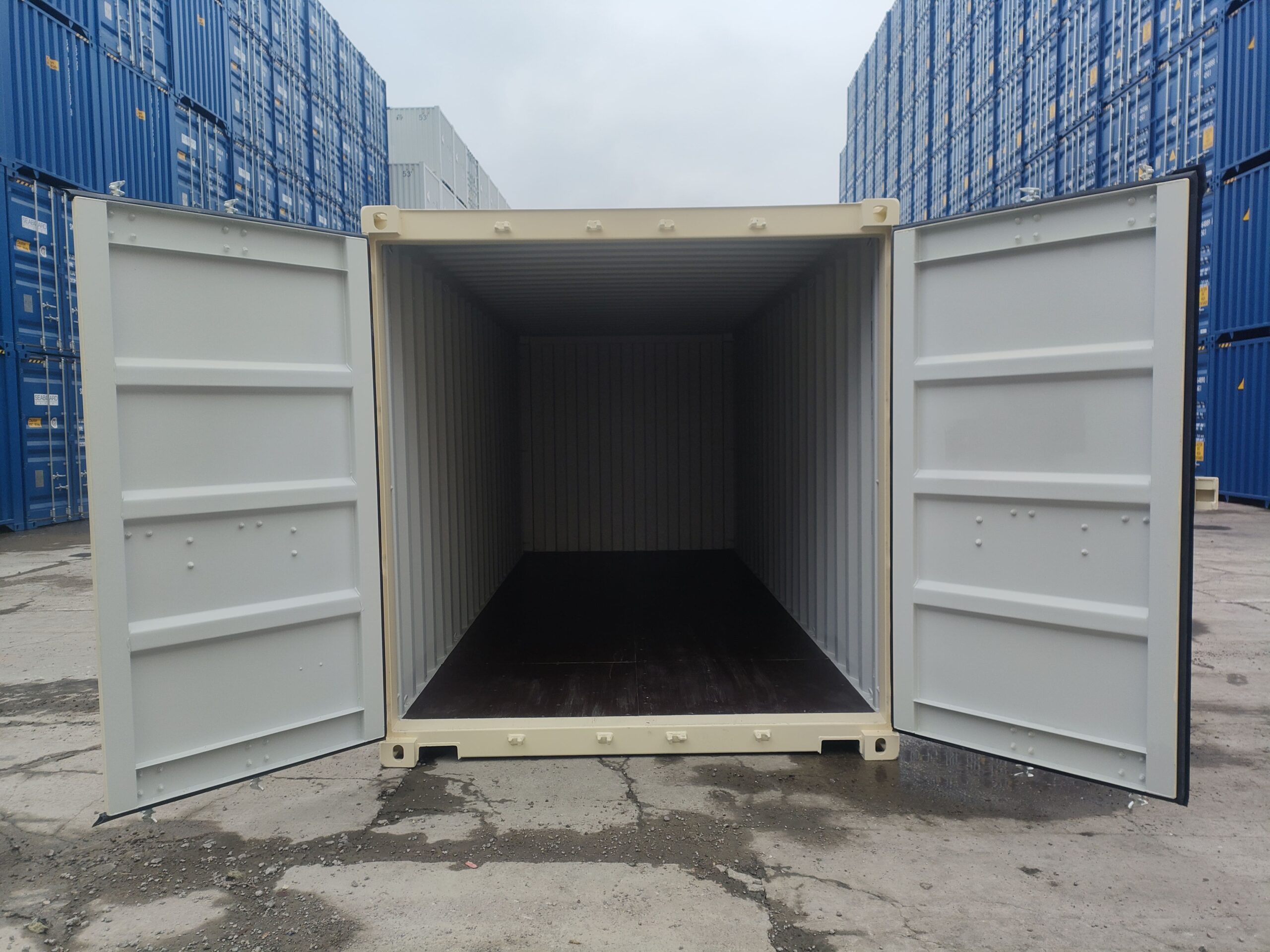
Storage Ventilation Requirements by Use
Different storage applications create varying moisture and heat loads that affect ventilation needs.
| Storage Type | Ventilation Level | Risk Without Ventilation | Recommended System |
|---|---|---|---|
| General Storage | Basic passive | Condensation, mold | Soffit/ridge vents |
| Vehicle Storage | Enhanced passive | Fuel vapors, condensation | Powered exhaust + intake |
| Chemical/Paint Storage | Forced ventilation | Fire risk, vapor buildup | Explosion-proof fans |
| Seasonal Items | Minimal passive | Slow moisture damage | Simple vent panels |
| Electronics Storage | Climate controlled | Corrosion, failure | HVAC system |
| Organic Materials | High airflow | Rapid deterioration | Multiple powered fans |
Climate zone significantly affects requirements—humid climates need much more aggressive ventilation than arid regions.
Container Shed Ventilation Installation
Based on successful shed conversions, specific ventilation layouts consistently prevent common storage problems.
| Vent Location | Purpose | Size Requirements | Installation Notes |
|---|---|---|---|
| Low Intake (Floor Level) | Cool air entry | 1 sq ft per 150 sq ft floor | Screen against pests |
| High Exhaust (Roof/Wall) | Hot air exit | 1.5x intake area | Weather protection critical |
| Cross Ventilation | Air circulation | Opposing wall placement | Maximum diagonal distance |
| Ridge Ventilation | Peak heat removal | Continuous preferred | Combines with eave intakes |
| Powered Exhaust | Forced circulation | Size per CFM calculations | Thermostat/humidity control |
Vent sizing follows the principle that exhaust area should be 1.5 times intake area to create effective negative pressure and airflow.
Condensation Prevention Strategy
From analyzing moisture problems in container storage, certain conditions consistently lead to condensation and damage.
| Problem Condition | Cause | Prevention Method | Cost to Fix |
|---|---|---|---|
| Wall Condensation | Temperature differential | Insulation + ventilation | $1,000-3,000 |
| Ceiling Dripping | Hot air cooling | Ridge vents + ceiling fans | $300-800 |
| Floor Moisture | Ground humidity rise | Vapor barrier + floor vents | $500-1,500 |
| Corner Dampness | Air stagnation | Corner vents + circulation fans | $200-600 |
| Seasonal Buildup | Temperature cycling | Automatic vent controls | $400-1,200 |
Preventive ventilation costs much less than repairing moisture damage to stored items or container structure.
Conclusion
Ventilate container sheds using passive intake and exhaust vents to create natural convection that removes heat and moisture effectively. The best container ventilation combines passive systems for basic airflow with powered exhaust for demanding conditions—ridge vents with soffit intakes provide optimal natural airflow patterns. Make container homes less hot through insulation, reflective roofing, and strategic ventilation, achieving 20-30°F temperature reductions compared to uninsulated containers. Storage sheds need ventilation to prevent condensation and protect stored items, with metal containers requiring more aggressive ventilation than traditional wood construction. Success depends on matching ventilation intensity to specific use requirements—basic passive systems work for simple storage while occupied spaces need powered ventilation or full HVAC systems for comfort and safety.
