




How Do You Secure Cargo Inside A 40ft HC Container?
Cargo inside a 40ft High Cube container is secured using lashing systems, blocking materials, anti-slip protection, and balanced load distribution techniques. The goal is to prevent cargo shifting, reduce structural stress, and maintain transport safety during loading, transit, and unloading.
TRUSUS logistics insight: customers today increasingly understand that container safety depends as much on internal load control as on container structural condition.
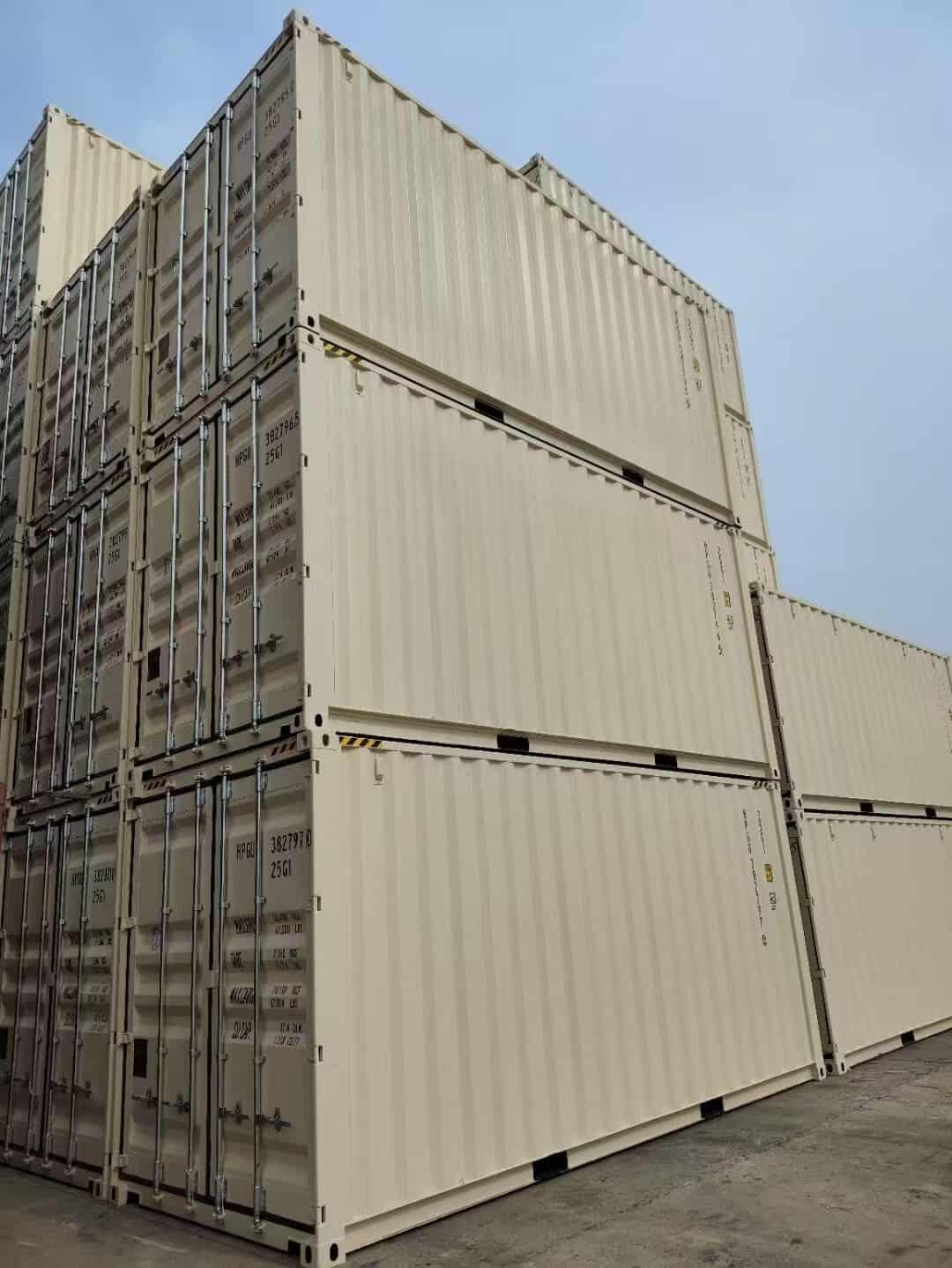
I increasingly see cargo damage cases caused not by poor containers, but by weak internal securing methods.
Good cargo control protects both products and container lifespan.
Common Cargo Securing Methods
| Securing Method | Main Purpose |
|---|---|
| Ratchet straps | Hold cargo tightly |
| Steel wire lashing | Heavy cargo stabilization |
| Wooden blocking | Prevent movement |
| Anti-slip mats | Reduce sliding |
Different cargo types require different securing strategies.
Why Load Distribution Matters
| Poor Load Distribution | Possible Problem |
|---|---|
| Concentrated weight | Floor damage |
| Uneven side loading | Structural stress |
| Rear-heavy loading | Transport instability |
Balanced loading improves transport safety.
Why High Cube Containers Need Careful Planning
| High Cube Feature | Operational Impact |
|---|---|
| Higher internal height | Increased cargo movement risk |
| Larger cargo volume | More securing points needed |
| Flexible loading options | More complex weight management |
Extra height creates additional securing challenges.
Recommended Internal Securing Materials
| Material | Function |
|---|---|
| Dunnage airbags | Fill empty spaces |
| Corner protectors | Protect cargo edges |
| Foam fillers | Reduce vibration |
| Steel bars | Heavy cargo restraint |
Layered protection systems work best.
Why Cargo Safety Standards Are Rising
| Earlier Shipping Practices | Modern Cargo Protection Standards |
|---|---|
| Basic rope securing | Engineered restraint systems |
| Minimal load analysis | Detailed weight calculations |
| General transport focus | Cargo-specific securing plans |
High-value cargo requires higher control standards.
The Industry Shift Behind Cargo Securing Questions
| Traditional Container Transport Industry | Modern Logistics Solution Industry |
|---|---|
| Basic container supply | Cargo safety consulting |
| Standard transport service | Customized load optimization |
| Container-focused thinking | Cargo protection thinking |
I increasingly believe internal cargo engineering will become a major value-added service area.
What Can Be Used To Secure Cargo From Moving Inside Containers?
Cargo can be secured inside containers using ratchet straps, dunnage airbags, wooden braces, anti-slip mats, steel bars, cargo nets, and foam fillers. The best securing method depends on cargo weight, shape, fragility, and transport conditions.
TRUSUS transport insight: effective cargo restraint combines mechanical fixing with movement absorption and weight balancing.
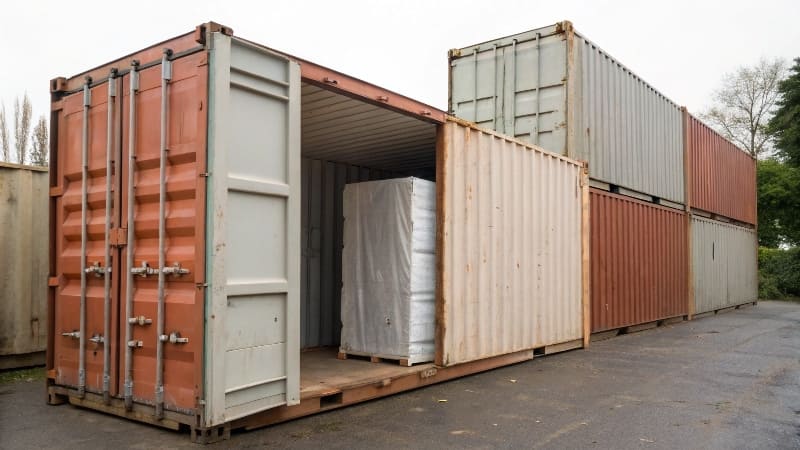
I increasingly see customers choosing more advanced cargo securing systems because shipping conditions have become more demanding and cargo values have increased.
Damage prevention is becoming more important than repair response.
Most Common Cargo Restraint Materials
| Material | Best Use |
|---|---|
| Ratchet straps | General cargo fixing |
| Dunnage airbags | Filling empty gaps |
| Wooden braces | Heavy cargo stabilization |
| Cargo nets | Lightweight cargo restraint |
Combination systems provide stronger protection.
Why Empty Space Is Dangerous
| Empty Space Issue | Transport Risk |
|---|---|
| Sudden cargo shifting | Product damage |
| Load imbalance | Container instability |
| Repeated impact movement | Structural wear |
Unused space increases movement risk.
Why Anti-Slip Protection Matters
| Anti-Slip Benefit | Result |
|---|---|
| Reduced floor sliding | Better cargo stability |
| Lower vibration movement | Less product damage |
| Improved load grip | Safer transport |
Small friction improvements greatly help stability.
Cargo Securing Strategy By Cargo Type
| Cargo Type | Recommended Securing |
|---|---|
| Machinery | Steel lashing and blocking |
| Consumer goods | Airbags and straps |
| Fragile products | Foam and soft restraints |
Each cargo type behaves differently during transport.
Why Logistics Expectations Are Changing
| Traditional Cargo Handling | Modern Cargo Protection Strategy |
|---|---|
| Basic movement prevention | Comprehensive cargo stabilization |
| Cost-focused transport | Damage-prevention optimization |
| Standard securing methods | Cargo-specific engineering |
Transport reliability increasingly affects customer trust.
The Larger Market Evolution
| Traditional Shipping Industry | Modern Cargo Management Industry |
|---|---|
| Container movement focus | Cargo condition focus |
| Standard transport methods | Intelligent securing systems |
| Reactive damage handling | Preventive logistics planning |
I increasingly see cargo securing expertise becoming part of premium logistics services.
Can You Install A Mezzanine Floor Inside A 40ft High Cube Container?
Yes, a mezzanine floor can be installed inside a 40ft High Cube container if structural reinforcement, load calculations, and proper support systems are used. A mezzanine can increase usable interior space by 50–70% depending on layout and ceiling clearance.
TRUSUS space insight: customers today increasingly view shipping containers as flexible architectural modules instead of simple storage units.
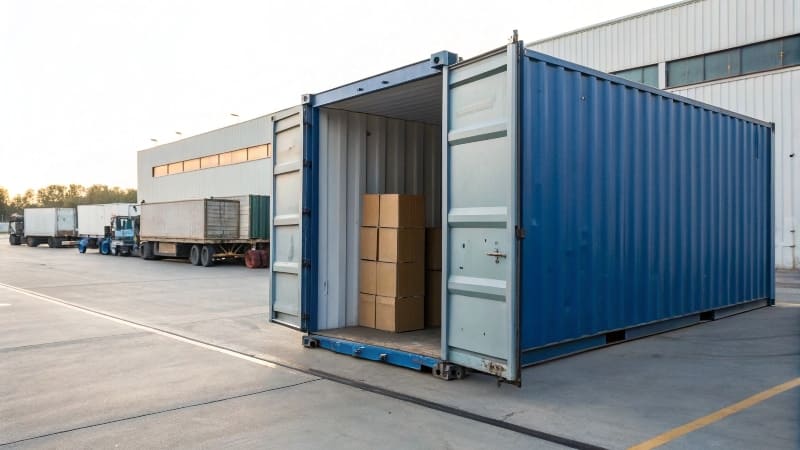
I increasingly see container users trying to maximize vertical space because land costs and rental costs continue to rise.
Space efficiency has become a major design priority.
Why High Cube Containers Work Well For Mezzanines
| High Cube Advantage | Benefit |
|---|---|
| Increased interior height | Better standing clearance |
| Strong steel structure | Easier reinforcement integration |
| Standard dimensions | Predictable design planning |
Standardization improves modification efficiency.
Important Structural Considerations
| Structural Area | Why It Matters |
|---|---|
| Load-bearing supports | Floor safety |
| Weight distribution | Container stability |
| Sidewall reinforcement | Structural integrity |
Engineering analysis is necessary before installation.
Common Mezzanine Applications
| Application | Space Benefit |
|---|---|
| Storage platforms | Increased warehouse capacity |
| Office spaces | Dual-level functionality |
| Container homes | Expanded living area |
Vertical space creates major functional advantages.
Recommended Construction Materials
| Material | Typical Use |
|---|---|
| Steel framing | Main structural support |
| Plywood flooring | Walking surface |
| Anti-slip flooring | Safety improvement |
Material selection affects long-term durability.
Why Modular Space Design Is Growing
| Traditional Container Use | Modern Container Space Design |
|---|---|
| Single-purpose storage | Multi-functional interiors |
| Horizontal-only use | Vertical space optimization |
| Temporary applications | Long-term customized spaces |
Containers increasingly function as modular buildings.
The Industry Transformation Behind Mezzanine Demand
| Traditional Container Industry | Modern Modular Space Industry |
|---|---|
| Transport equipment sales | Space optimization solutions |
| Standard container supply | Customized architectural systems |
| Product-based competition | Design capability competition |
I increasingly believe interior customization will define future container value.
How To Waterproof Inside A Shipping Container?
To waterproof inside a shipping container, you need to seal joints, control condensation, apply protective coatings, improve ventilation, and manage humidity levels. A complete waterproofing system protects both the container structure and the interior environment over time.
TRUSUS environmental insight: most interior container moisture problems come from condensation rather than direct external water leaks.
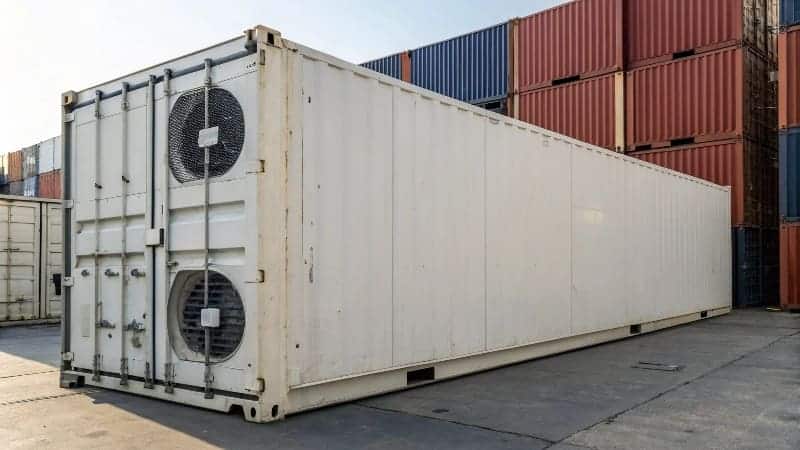
I increasingly see customers underestimate how quickly trapped moisture can damage insulation, flooring, and interior finishes.
Moisture control is critical for long-term usability.
Main Causes Of Interior Moisture Problems
| Moisture Source | Common Effect |
|---|---|
| Condensation | Water droplets on walls |
| Roof leakage | Interior staining |
| Poor ventilation | Mold growth |
Understanding moisture sources improves waterproofing results.
Effective Waterproofing Methods
| Waterproofing Method | Purpose |
|---|---|
| Sealant application | Block water entry |
| Anti-condensation coating | Reduce moisture buildup |
| Insulation systems | Control temperature difference |
| Ventilation installation | Improve airflow |
Moisture management requires multiple layers of protection.
Why Ventilation Is Essential
| Poor Ventilation Problem | Result |
|---|---|
| Trapped humidity | Condensation increase |
| Air stagnation | Mold development |
| Temperature imbalance | Surface moisture formation |
Air circulation strongly affects interior stability.
Recommended Interior Protection Materials
| Material | Function |
|---|---|
| Closed-cell insulation | Moisture resistance |
| Marine-grade sealant | Waterproof sealing |
| Vapor barriers | Humidity control |
Material compatibility matters greatly.
Why Waterproofing Standards Are Expanding
| Earlier Container Use | Modern Container Applications |
|---|---|
| Short-term cargo storage | Long-term occupied spaces |
| Minimal interior finishing | Climate-controlled interiors |
| Basic leak prevention | Environmental comfort systems |
Modern applications require higher environmental performance.
The Industry Evolution Behind Waterproofing Demand
| Traditional Container Sales Industry | Modern Space Environment Industry |
|---|---|
| Basic steel structure supply | Interior comfort engineering |
| Transport-focused design | Human-centered space design |
| Simple maintenance services | Full environmental optimization |
I increasingly see waterproofing expertise becoming one of the most important parts of container conversion projects.
Conclusion
At TRUSUS, I see shipping containers evolving from standard transport equipment into highly customizable space solutions. Future industry growth will depend on structural modification expertise, environmental control systems, interior optimization, and the ability to transform containers into efficient, functional, and comfortable spaces.
