




How Do You Prevent Mold Growth Behind Container Insulation Layers?
To prevent mold behind container insulation, you must control moisture, stop condensation, and maintain airflow.
The most effective approach combines vapor barriers, closed-cell insulation, ventilation systems, and humidity control below 60% relative humidity.
TRUSUS environment insight: more container buyers now care about indoor health performance instead of only structural conversion and appearance.
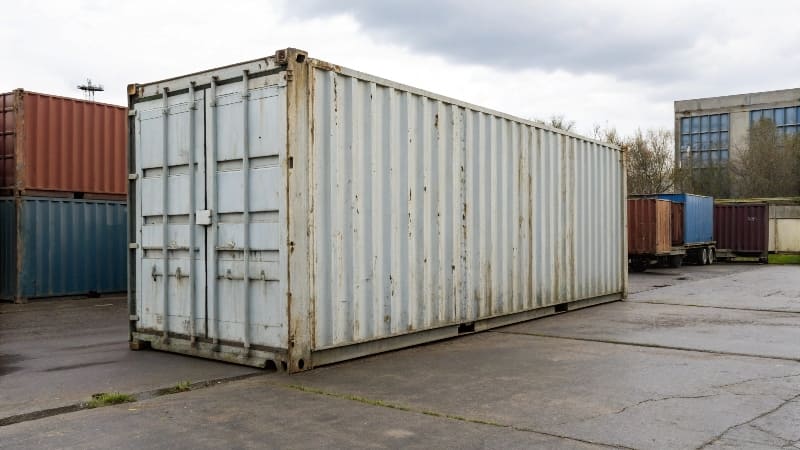
I increasingly see clients realize that mold problems usually begin inside hidden wall cavities long before visible damage appears.
Moisture control is now one of the most important parts of container design.
Why Mold Forms Behind Insulation
| Cause | Result |
|---|---|
| Condensation on steel walls | Moisture accumulation |
| Poor ventilation | Trapped humid air |
| Organic dust buildup | Mold food source |
Steel containers naturally create condensation risks.
Best Insulation Materials For Mold Prevention
| Insulation Type | Mold Resistance |
|---|---|
| Closed-cell spray foam | Excellent |
| Rigid foam board | Very good |
| Fiberglass batt | Lower resistance |
Closed-cell materials reduce moisture penetration.
Why Vapor Barriers Matter
| Vapor Barrier Benefit | Effect |
|---|---|
| Blocks humid air movement | Reduces condensation |
| Protects insulation layers | Improves durability |
| Stabilizes wall moisture | Limits mold growth |
Moisture management is critical.
Recommended Humidity Targets
| Space Type | Recommended Humidity |
|---|---|
| Residential container | Below 60% RH |
| Storage container | Below 55% RH |
| Medical or sensitive spaces | Below 50% RH |
Lower humidity reduces microbial activity.
Ventilation Strategies That Work
| Ventilation Method | Main Benefit |
|---|---|
| Passive roof vents | Natural airflow |
| Mechanical exhaust fans | Moisture removal |
| Heat-recovery ventilation | Balanced air exchange |
Air movement prevents stagnant moisture.
Why Hidden Mold Risks Are Increasing
| Traditional Container Use | Modern Container Living |
|---|---|
| Short-term storage focus | Long-term occupancy focus |
| Minimal insulation systems | Fully enclosed interiors |
| Basic environmental concern | Health-performance concern |
Container spaces now require building-science thinking.
The Industry Shift Behind Mold-Prevention Questions
| Traditional Container Market | Modern Healthy-Space Industry |
|---|---|
| Structural conversion focus | Indoor-environment focus |
| Functional shelter thinking | Wellness-oriented design thinking |
| Basic construction support | Environmental-control support |
I increasingly believe environmental engineering will become a core part of container design services.
How To Prevent Mold In Shipping Containers?
The best way to prevent mold in shipping containers is to control moisture, improve airflow, and keep surfaces clean and dry.
Regular ventilation, dehumidification, insulation upgrades, and routine inspection are the most effective long-term strategies.
TRUSUS health insight: mold prevention has become a major issue because containers are now widely used for housing, offices, and long-term storage.
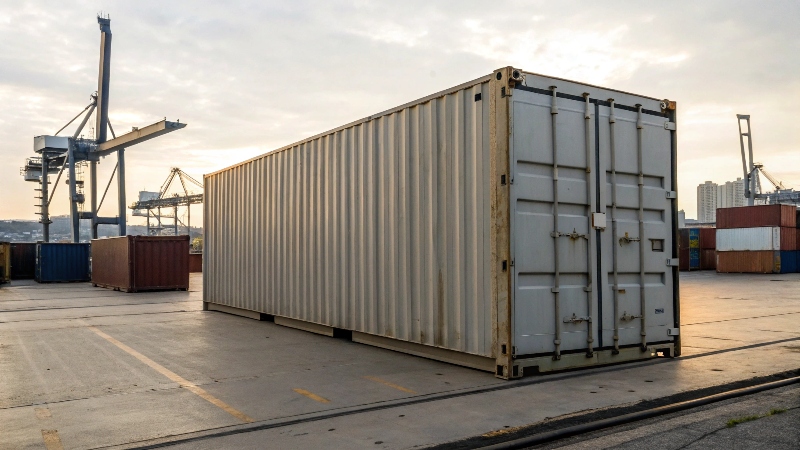
I increasingly see customers understand that mold prevention is not a single product solution. It requires continuous environmental management.
Healthy containers depend on stable conditions.
Main Causes Of Container Mold
| Mold Trigger | Effect |
|---|---|
| High humidity | Faster mold growth |
| Poor airflow | Condensation buildup |
| Wet stored materials | Biological contamination |
Moisture is the main problem.
Practical Mold-Prevention Methods
| Prevention Method | Purpose |
|---|---|
| Install vents | Improve airflow |
| Use dehumidifiers | Lower humidity |
| Clean regularly | Remove mold nutrients |
Simple maintenance creates major improvements.
Why Insulation Helps Prevent Mold
| Insulation Benefit | Result |
|---|---|
| Reduces cold surfaces | Less condensation |
| Stabilizes temperature | Better humidity control |
| Improves comfort | Healthier indoor environment |
Thermal control affects moisture behavior.
Recommended Cleaning Practices
| Cleaning Action | Frequency |
|---|---|
| Wipe condensation | Weekly |
| Inspect hidden corners | Monthly |
| Deep sanitation | Seasonal |
Regular maintenance prevents long-term damage.
Why Stored Materials Matter
| Material Type | Mold Risk |
|---|---|
| Cardboard | High |
| Fabric | High |
| Metal equipment | Low |
Organic materials support mold growth.
Why Mold Prevention Is Becoming Standard
| Earlier Container Applications | Modern Container Applications |
|---|---|
| Industrial transport use | Human-centered occupancy |
| Temporary deployment | Permanent installation |
| Basic durability focus | Indoor health focus |
Container quality standards continue rising.
The Industry Evolution Behind Mold Questions
| Traditional Container Industry | Modern Environmental-Control Industry |
|---|---|
| Space utilization focus | Indoor-environment management focus |
| Structural conversion services | Healthy-space solutions |
| Basic operational support | Long-term environmental support |
I increasingly see healthy-environment consulting become part of premium container projects.
How Does Mold Get Into Sealed Containers?
Mold enters sealed containers through airborne spores, trapped moisture, wet cargo, and condensation.
Even fully sealed containers can develop mold because mold spores are microscopic and naturally present in air, dust, fabrics, and packaging materials.
TRUSUS science insight: sealing a container without moisture control often increases mold risk instead of reducing it.
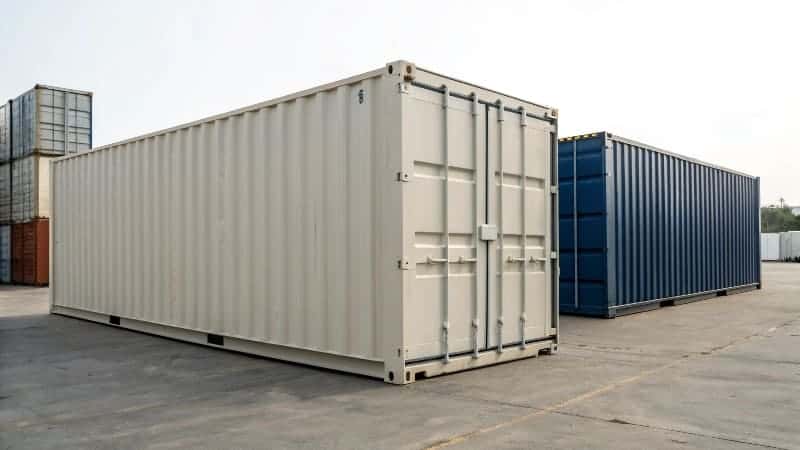
I increasingly see people assume airtight containers automatically stay clean, but trapped humidity often creates the perfect mold environment.
Moisture is usually the hidden issue.
Common Mold Entry Sources
| Mold Source | Entry Method |
|---|---|
| Airborne spores | Air exchange during loading |
| Wet cargo | Internal moisture release |
| Packaging materials | Hidden contamination |
Mold spores are almost everywhere.
Why Condensation Happens In Sealed Containers
| Condensation Cause | Result |
|---|---|
| Temperature swings | Water droplets on steel |
| Poor insulation | Cold interior surfaces |
| Trapped humidity | Persistent moisture |
Steel walls react quickly to temperature changes.
High-Risk Conditions For Mold Growth
| Risk Factor | Mold Impact |
|---|---|
| Humidity above 60% | Rapid growth |
| Limited ventilation | Moisture accumulation |
| Organic materials | Nutrient source |
Multiple factors often combine together.
Why Cargo Moisture Matters
| Cargo Type | Moisture Risk |
|---|---|
| Wood products | High |
| Textiles | Medium to high |
| Machinery | Lower risk |
Cargo condition strongly affects container environment.
Prevention Methods For Sealed Containers
| Prevention Tool | Main Function |
|---|---|
| Desiccants | Absorb moisture |
| Ventilation systems | Air circulation |
| Thermal insulation | Condensation reduction |
Environmental control must work together.
Why Modern Containers Face More Mold Challenges
| Traditional Cargo Containers | Modern Multi-Use Containers |
|---|---|
| Short shipping cycles | Long-term occupancy cycles |
| Frequent ventilation | Extended sealed operation |
| Industrial cargo focus | Human comfort focus |
Container use patterns have changed dramatically.
The Industry Shift Behind Sealed-Container Questions
| Traditional Shipping Industry | Modern Environmental-Performance Industry |
|---|---|
| Cargo protection focus | Health protection focus |
| Weatherproofing priority | Indoor-climate management priority |
| Structural durability standards | Environmental-quality standards |
I increasingly believe environmental monitoring systems will become standard in advanced container projects.
What Kills Mold In A Container?
Mold in containers is commonly removed using physical cleaning combined with disinfectants like diluted bleach, hydrogen peroxide, or commercial mold-removal products.
Long-term success depends on removing moisture sources after cleaning, or mold will usually return.
TRUSUS maintenance insight: killing mold is only half the solution. Preventing moisture recurrence is the real long-term strategy.
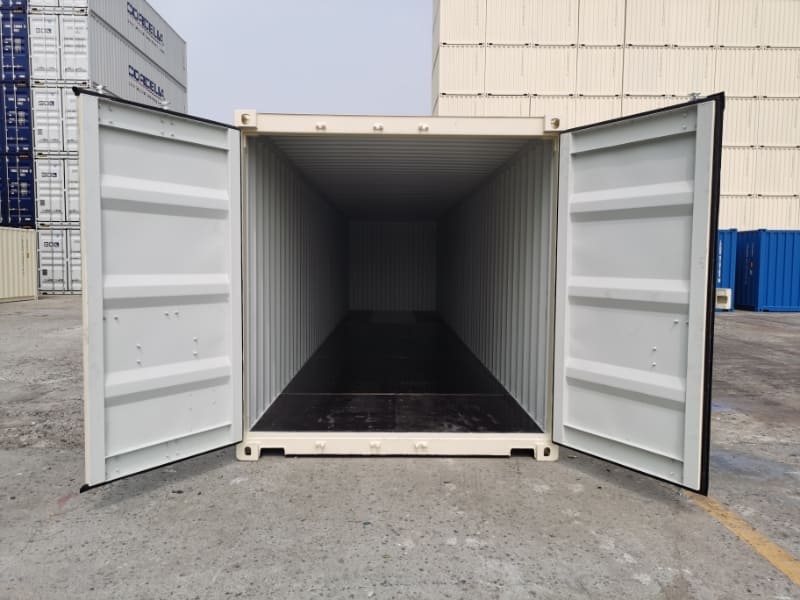
I increasingly see customers focus not only on mold removal but also on how to maintain healthy conditions afterward.
Permanent prevention matters more than temporary cleaning.
Common Mold-Removal Solutions
| Cleaning Agent | Typical Use |
|---|---|
| Diluted bleach solution | Surface disinfection |
| Hydrogen peroxide | Mold stain treatment |
| Commercial fungicide | Severe contamination |
Different conditions require different treatments.
Recommended Cleaning Process
| Step | Purpose |
|---|---|
| Remove visible mold | Reduce contamination |
| Apply disinfectant | Kill remaining spores |
| Dry completely | Prevent regrowth |
Drying is critical after treatment.
Safety Equipment During Mold Removal
| Safety Item | Protection Benefit |
|---|---|
| Respirator mask | Prevent spore inhalation |
| Gloves | Skin protection |
| Eye protection | Chemical safety |
Safety procedures should never be skipped.
Why Mold Returns After Cleaning
| Cause | Result |
|---|---|
| High humidity remains | Regrowth |
| Poor airflow | Continued condensation |
| Hidden moisture pockets | Undetected contamination |
Environmental correction is essential.
Long-Term Mold-Control Strategies
| Long-Term Strategy | Main Benefit |
|---|---|
| Install dehumidifiers | Stable humidity control |
| Improve insulation | Reduced condensation |
| Regular inspections | Early problem detection |
Prevention costs less than major repairs.
Why Mold Removal Standards Are Rising
| Earlier Container Maintenance | Modern Healthy-Environment Management |
|---|---|
| Basic cleaning focus | Health-risk management focus |
| Temporary surface treatment | Full environmental correction |
| Reactive maintenance approach | Preventive environmental strategy |
Health standards now influence maintenance practices.
The Industry Evolution Behind Mold-Removal Questions
| Traditional Container Service Industry | Modern Environmental-Service Industry |
|---|---|
| Structural maintenance focus | Indoor-health protection focus |
| Basic sanitation support | Environmental-science support |
| Functional space management | Wellness-oriented space management |
I increasingly see environmental health expertise becoming one of the most important value areas in container conversion projects.
Conclusion
At TRUSUS, I see container projects evolving from simple space conversions into professionally managed healthy environments.
Future industry value will come from moisture control, environmental engineering, air-quality management, and the ability to combine structural performance with long-term human wellness.
