




How Do You Keep a Shipping Container from Rusting Effectively?
Many container owners assume rust is inevitable and unavoidable. Understanding proper rust prevention methods significantly extends container lifespan, maintains structural integrity, and preserves value through proactive maintenance rather than reactive repairs after damage occurs.
Preventing container rust requires regular cleaning, protective coating maintenance, moisture control, proper drainage, ventilation systems, and prompt repair of damaged areas, with prevention being far more cost-effective than restoration after extensive corrosion damage develops.
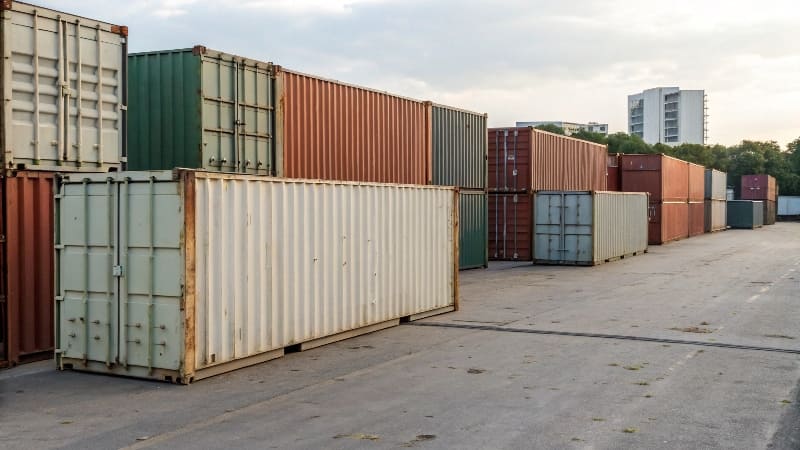
Through decades of working with both new and used container sales, I learned that rust prevention success depends on understanding corrosion mechanisms and implementing systematic maintenance programs rather than hoping containers will remain maintenance-free throughout their service lives.
Do Shipping Container Homes Rust Over Time?
Understanding rust development in container homes helps owners implement effective prevention strategies. Container homes face different corrosion challenges than shipping containers due to permanent placement and interior modifications that affect moisture dynamics.
Shipping container homes will rust without proper maintenance, particularly at cut edges, weld points, and areas with damaged protective coatings, but systematic rust prevention through proper sealing, ventilation, and maintenance can prevent significant corrosion for decades of reliable service.
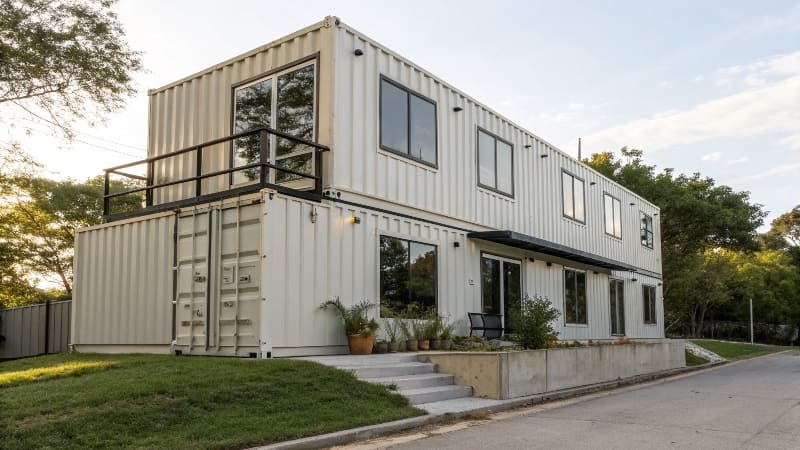
Container Home Corrosion Challenges and Prevention Systems
Container home rust development follows predictable patterns that allow effective prevention through understanding vulnerability points and implementing appropriate protection systems. During my experience working with customers converting containers to residential use, I learned that home conversions create unique corrosion challenges requiring specialized prevention approaches.
Cut edge exposure represents the primary rust vulnerability in container homes since cutting doors, windows, and utility penetrations exposes unprotected steel edges to moisture and oxygen. Original factory edges receive protective coatings during manufacturing while field cuts typically lack proper edge sealing unless specifically treated during conversion processes.
Interior humidity control becomes critical in container homes since enclosed spaces trap moisture that accelerates corrosion from inside surfaces. Cooking, showering, and breathing create humidity that can condense on steel surfaces, particularly during temperature changes. Proper ventilation and vapor barriers prevent interior corrosion that can be difficult to detect and repair.
Thermal bridging through uninsulated steel creates condensation points where warm interior air contacts cold steel surfaces, leading to persistent moisture exposure and accelerated corrosion. Proper insulation installation with vapor barriers prevents thermal bridging while maintaining comfortable interior conditions and preventing condensation-related rust development.
Foundation moisture management prevents bottom rail corrosion through proper drainage, elevation, and moisture barriers that keep container bases dry. Ground contact or poor drainage creates persistent moisture exposure that attacks bottom structures and corner posts. Elevated placement with proper drainage extends container life significantly.
Exterior coating maintenance requires regular inspection and touch-up of protective paint systems that prevent moisture contact with steel surfaces. Container homes benefit from high-quality primer and paint systems designed for steel structures in residential environments. Regular maintenance prevents small problems from becoming expensive repairs.
Penetration sealing around utilities, windows, and doors prevents water intrusion that causes interior corrosion and structural damage. Proper flashing, caulking, and weatherproofing maintain building envelope integrity while preventing water damage. Poor sealing leads to hidden corrosion that can compromise structural integrity.
HVAC system design affects interior humidity and air circulation that influence corrosion rates throughout container homes. Proper system sizing and ventilation design maintain appropriate humidity levels while preventing stagnant air conditions that accelerate corrosion in hidden areas like wall cavities and ceiling spaces.
Climate considerations significantly affect corrosion rates with coastal areas, high-humidity regions, and areas with frequent precipitation creating more challenging environments for container homes. Understanding local climate conditions helps select appropriate protection systems and maintenance schedules for optimal longevity.
Regular inspection procedures help identify rust development before it becomes extensive and expensive to repair. Annual inspections of vulnerable areas allow early intervention through cleaning, coating repair, or drainage improvements that prevent minor issues from becoming structural problems requiring major repairs.
| Vulnerability Area | Corrosion Risk Level | Prevention Method | Maintenance Schedule |
|---|---|---|---|
| Cut edges | Very High | Primer and paint sealing | Annual inspection/touch-up |
| Interior surfaces | Moderate-High | Vapor barriers, ventilation | Continuous ventilation monitoring |
| Bottom rails | High | Elevation, drainage | Semi-annual drainage check |
| Exterior surfaces | Moderate | Quality paint systems | 3-5 year recoating cycle |
| Utility penetrations | High | Proper flashing, sealing | Annual seal inspection |
| Weld points | Moderate | Factory coating maintenance | 5-year inspection cycle |
What is the Realistic Lifespan of a Shipping Container?
Understanding container lifespan helps set realistic expectations for various applications. Container longevity depends on usage patterns, maintenance quality, and environmental conditions rather than predetermined expiration dates.
Shipping containers typically serve 10-15 years in marine transport before retirement, but can provide 25-50+ years of service in stationary applications with proper maintenance, with actual lifespan depending more on care quality than age alone.
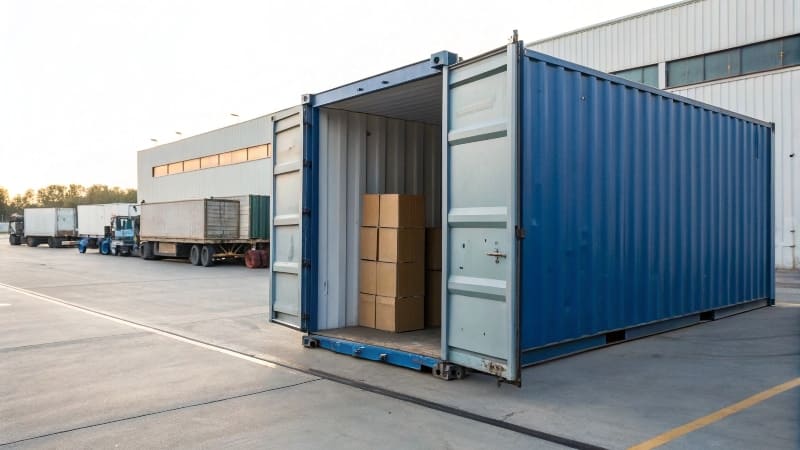
Comprehensive Lifespan Analysis and Longevity Factors
Container lifespan varies significantly based on usage patterns, maintenance quality, and environmental conditions rather than following predetermined timelines. During my experience working with containers across their entire lifecycle from new manufacture through various reuse applications, I learned that understanding longevity factors helps optimize container selection and maintenance for specific applications.
Marine service lifespan averages 10-15 years due to harsh saltwater environments, frequent loading cycles, and handling stresses that gradually degrade structural integrity and protective coatings. Shipping lines retire containers based on structural condition and certification requirements rather than age alone, with well-maintained containers sometimes exceeding normal service periods.
Stationary application lifespan extends significantly beyond marine service since containers avoid handling stresses, loading cycles, and continuous saltwater exposure that limit shipping service life. Storage applications, container homes, and commercial buildings can achieve 25-50 year service lives with appropriate maintenance and environmental protection.
Environmental factors significantly affect container longevity with coastal areas, industrial environments, and regions with extreme weather creating more challenging conditions than moderate inland climates. Salt air, chemical exposure, and temperature cycling accelerate material degradation while dry, moderate climates allow containers to achieve maximum potential lifespan.
Maintenance quality represents the primary factor affecting container longevity since regular cleaning, coating maintenance, and prompt repairs prevent minor issues from developing into structural problems. Well-maintained containers consistently outlast neglected units regardless of environmental conditions or initial quality levels.
Usage intensity affects wear patterns and structural stress that influence container lifespan. Heavy industrial use, frequent relocations, and extreme loading conditions reduce service life while light storage, office, or residential applications create minimal stress and extend potential longevity significantly beyond shipping service expectations.
Modification impact on container lifespan depends on modification quality and structural integrity maintenance during conversion processes. Professional modifications with proper reinforcement and sealing can maintain or even enhance structural performance while poor modifications compromise integrity and reduce expected service life.
Quality variations between manufacturers and age cohorts affect baseline container quality and potential longevity. Premium manufacturers and newer containers typically provide better long-term performance while economy units or older containers may require more intensive maintenance for comparable service life achievement.
Foundation and placement conditions significantly affect container longevity through moisture exposure, air circulation, and structural support that influence corrosion rates and structural integrity. Proper foundations and placement can extend container life while poor conditions accelerate degradation regardless of other maintenance efforts.
Economic factors often determine practical container lifespan since repair and maintenance costs must be balanced against replacement costs and performance requirements. Containers may be economically obsolete before reaching structural limits, particularly in applications where appearance or specific performance standards are required.
Repurposing opportunities extend effective container lifespan by allowing units to serve different applications as they age and their condition changes. Containers retiring from shipping service may provide decades of additional service in storage, construction, or other applications with appropriate reconditioning.
| Application Type | Expected Lifespan | Primary Limiting Factors | Longevity Enhancement Methods |
|---|---|---|---|
| Marine shipping | 10-15 years | Saltwater exposure, handling stress | Regular maintenance, quality handling |
| Storage applications | 25-40 years | Environmental exposure | Protective coatings, proper placement |
| Container homes | 30-50+ years | Modification quality, maintenance | Professional conversion, regular upkeep |
| Commercial buildings | 25-50 years | Climate, usage intensity | Climate control, structural maintenance |
| Industrial applications | 15-30 years | Chemical exposure, heavy use | Specialized coatings, process control |
| Temporary structures | 10-25 years | Relocation stress, minimal maintenance | Gentle handling, basic maintenance |
Why Do Shipping Container Homes Only Last 25 Years?
Understanding the 25-year limitation claim helps separate facts from misconceptions. Many factors affecting container home longevity are controllable through proper design, construction, and maintenance rather than being inherent material limitations.
Container homes don't inherently last only 25 years; this misconception stems from poor conversions, inadequate maintenance, and mortgage lending practices, while properly built and maintained container homes can provide 50+ years of service comparable to traditional construction methods.
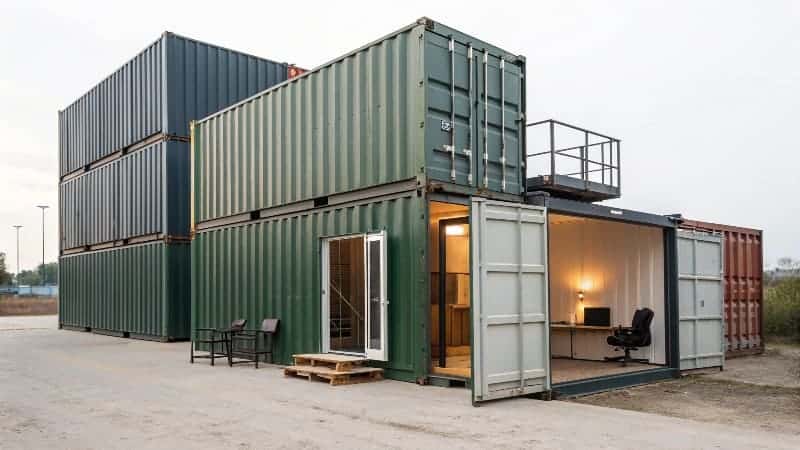
Longevity Misconceptions and Reality-Based Analysis
The 25-year container home limitation represents a persistent misconception that confuses lending practices with actual structural capabilities. During my experience working with customers planning container home projects, I learned that understanding the sources of this limitation helps separate controllable factors from actual material constraints.
Lending institution policies often limit container home mortgages to 25-30 years based on perceived risks and lack of long-term performance data rather than actual structural limitations. Banks classify container homes as alternative construction requiring shorter loan terms, though this reflects lending conservatism rather than engineering assessments of actual longevity potential.
Poor conversion practices create container homes with limited lifespans through inadequate structural reinforcement, improper sealing, and insufficient insulation that accelerate deterioration. DIY conversions often lack professional engineering oversight and building code compliance that ensure proper longevity and structural integrity throughout anticipated service life.
Maintenance neglect significantly reduces container home lifespan since these structures require regular attention to protective coatings, sealing integrity, and moisture management systems. Owners expecting maintenance-free operation often experience premature deterioration that reinforces misconceptions about inherent container limitations rather than maintenance requirements.
Building code compliance affects container home longevity through requirements for proper foundations, insulation, ventilation, and structural modifications that ensure safe, durable construction. Non-compliant conversions may lack essential features for long-term durability while code-compliant construction provides performance comparable to traditional building methods.
Climate considerations significantly affect container home performance with challenging environments requiring more intensive protection systems and maintenance schedules. Homes in moderate climates with proper construction easily exceed 25-year expectations while units in harsh environments require specialized protection for comparable longevity.
Professional design and construction substantially improve container home longevity through proper structural analysis, building envelope design, and integration of mechanical systems that address unique challenges of steel construction in residential applications. Professional involvement ensures homes meet or exceed traditional construction performance standards.
Material quality variations affect container home potential with premium containers and professional-grade modifications providing superior long-term performance compared to economy approaches. Quality materials and workmanship investments provide returns through extended service life and reduced maintenance requirements.
Comparison with traditional construction reveals that properly built container homes can achieve comparable longevity to stick-built houses while offering advantages in strength, disaster resistance, and environmental sustainability. Well-built container homes routinely exceed the performance of poorly constructed traditional buildings.
Success examples demonstrate container homes achieving 30+ years of reliable service with proper construction and maintenance, proving that 25-year limitations reflect implementation quality rather than inherent material constraints. Successful projects provide templates for achieving long-term container home viability.
| Longevity Factor | Impact on Lifespan | Control Level | Improvement Methods |
|---|---|---|---|
| Lending policies | Artificial 25-year limit | External constraint | Alternative financing, cash purchase |
| Conversion quality | Major impact | Fully controllable | Professional design and construction |
| Maintenance quality | Major impact | Owner controlled | Regular maintenance programs |
| Climate conditions | Moderate impact | Location dependent | Climate-appropriate protection systems |
| Building code compliance | Major impact | Fully controllable | Professional compliance assurance |
| Material quality | Moderate impact | Selection dependent | Quality container and component selection |
Conclusion
Shipping containers resist rust through proper maintenance including protective coatings, moisture control, and regular inspection, with well-maintained containers achieving 25-50+ year lifespans far exceeding the common 25-year misconception through quality construction and systematic care programs.
