




What Is the Best Flooring for a High-Traffic Container Office?
Floors in container offices take a lot of abuse from boots and rolling chairs. You need a material that is tough but also flexible. I have tested many options over the years.
The best flooring for a high-traffic container office is SPC (Stone Plastic Composite) flooring. It is waterproof, dent-resistant, and stays stable during temperature changes. Unlike ceramic tile, it does not crack when the container is moved or when the heavy metal floor flexes under weight.
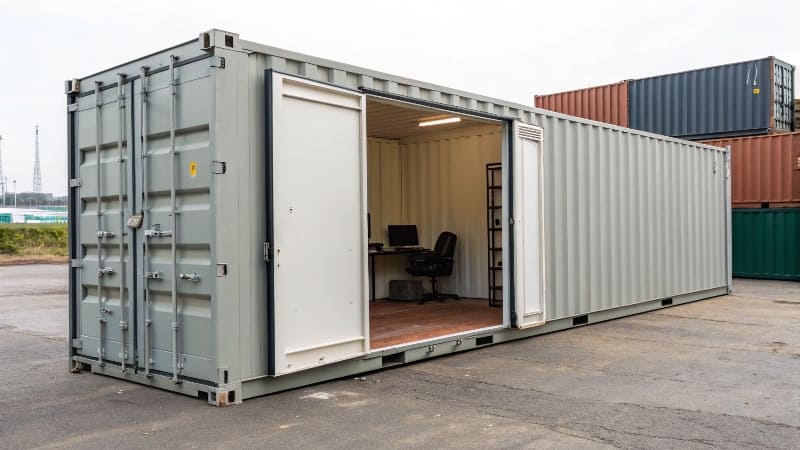
When I first started selling containers, I saw many clients install cheap laminate or heavy ceramic tiles. The laminate would swell with moisture, and the tiles would snap the moment a forklift moved the container. This is why I now only recommend SPC flooring for an engineer like Marcin. SPC has a limestone core. This makes it very rigid but thin. It does not expand or contract as much as wood when the container gets hot in the sun.
In a 20ft or 40ft container, the steel floor plates can sometimes bow slightly. SPC flooring is a "floating" system. This means it is not glued down. It sits on an underlayment that absorbs these small movements. This is a huge advantage for structural integrity. It also provides a bit of sound insulation, which is important in a metal box. At TRUSUS, we believe in using materials that solve problems before they start. If you choose the right flooring, you reduce your maintenance costs to almost zero.
| Flooring Type | Durability | Flexibility | Installation Speed |
|---|---|---|---|
| SPC Flooring | Very High | High | Fast (Click-lock) |
| Ceramic Tile | High | Very Low | Slow (Heavy) |
| Wood Laminate | Moderate | Moderate | Fast |
| Vinyl Sheet | Moderate | High | Fast |
Can You Use Gypsum Board for Internal Walls of a Container?
You might worry that gypsum board is too fragile for a metal container wall. I had the same fear when I opened my first factory. However, the right installation method makes it reliable.
Yes, you can use gypsum board for internal walls if you use a "floating" light steel frame. This frame must not be welded directly to the outer skin. This method allows the container to expand and contract without putting stress on the drywall joints or causing cracks.
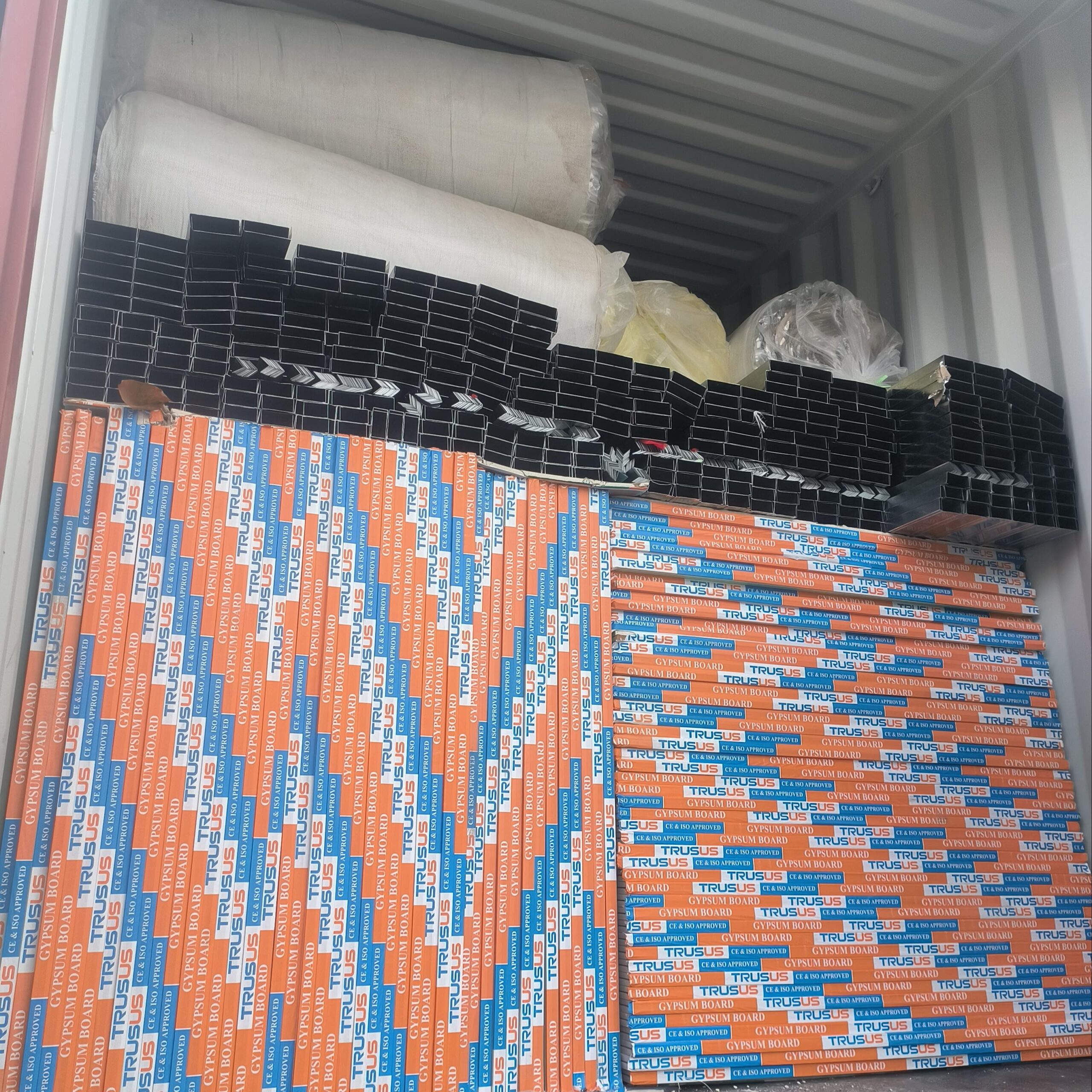
The biggest challenge with container walls is thermal expansion. Metal moves a lot, but gypsum is rigid. In my journey, I learned that you must create a "room within a room." We install light steel studs about 2 inches away from the container ribs. This gap creates a thermal break. It also gives you a place to put high-quality insulation like rock wool. This keeps the office quiet and easy to heat or cool.
Marcin often deals with tight deadlines. Using gypsum board is faster than custom wood paneling. It also gives the office a professional look that matches a standard building. To prevent cracks at the corners, I always use fiberglass mesh tape instead of paper tape. It is stronger and handles the vibrations of transportation better. I have helped many clients grow their businesses by showing them how to make container offices look like real executive suites using simple gypsum techniques.
| Component | Material Choice | Purpose |
|---|---|---|
| Framing | Light Steel Studs | Stability and Fire Safety |
| Insulation | Rock Wool | Thermal and Acoustic Barrier |
| Wall Panel | 12.5mm Gypsum Board | Smooth Finish and Durability |
| Joint Tape | Fiberglass Mesh | Crack Prevention |
How to Install a Full Kitchen Inside a 20ft Container?
Fitting a kitchen into a 20ft container is like playing a high-stakes game of Tetris. You need every inch to count for the user. I have designed kitchens that feel very spacious.
You install a kitchen in a 20ft container by using modular cabinets and compact appliances. You must plan the plumbing and electrical lines behind the wall cavity before finishing the walls. This saves space and keeps the layout clean while providing all the necessary amenities for a staff breakroom.
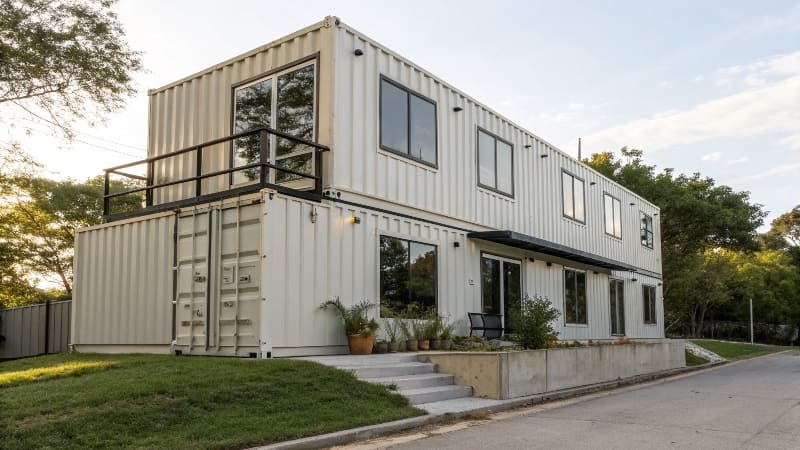
Engineering a kitchen in such a small space requires careful weight distribution. You do not want all the heavy appliances on one side of the container. This can make the unit tilt during lifting. I suggest putting the sink and the fridge on opposite walls if possible. In my experience, using a "wet wall" is the best way to save money. This means you keep all the plumbing on one wall to reduce the amount of piping needed.
Ventilation is another huge factor. A small kitchen can get very humid quickly. I always tell my clients to install a high-power exhaust fan that vents directly through the container wall. Because containers are airtight, you must provide a way for fresh air to enter. Marcin knows that green building techniques often focus on air quality. By using low-VOC materials and proper venting, you make the office a healthier place to work. We always try to use slim-line appliances that are 24 inches wide or less to maximize floor space.
| Kitchen Zone | Solution | Space Saving Tip |
|---|---|---|
| Storage | Tall Upper Cabinets | Use the full height of the wall |
| Cooking | Two-burner Induction | No gas lines needed |
| Cleaning | Single Deep Sink | Better for large pots |
| Cooling | Under-counter Fridge | Keeps counter space open |
What Lighting Is Best for a Low-Ceiling Container Interior?
Low ceilings can make a container office feel like a dark, cramped cave. You need the right light to make it feel open and bright. I always choose lighting that saves vertical space.
The best lighting for a low-ceiling container is recessed LED panels or ultra-thin LED strips. These fixtures sit flush with the ceiling surface. They provide bright, even light without taking up any headroom, making the small interior feel much larger and more professional for the workers.
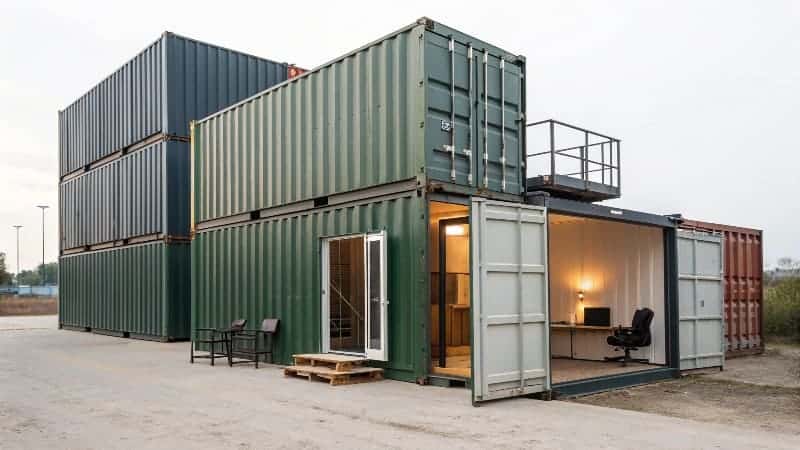
When I was an employee at the factory, we used old-fashioned fluorescent tubes. They were bulky, and people would hit their heads on them. Now, we have much better options. LED panels are perfect because they produce very little heat. In a small, insulated container, heat from lights can make the air conditioner work too hard. By using LEDs, you save energy and keep the room comfortable. This fits perfectly with the mission of TRUSUS to bring beauty and efficiency to every corner.
I recommend using a "daylight" color temperature (around 5000K) for work areas. It makes the space feel more energetic. For Marcin, who spends a lot of time on CAD tools, good lighting reduces eye strain. You can also add LED strips under the kitchen cabinets or along the floor line. This adds a sense of depth to the room. It makes the walls look further apart than they actually are. Simple tricks like this turn a metal box into a high-end architectural space.
| Light Type | Profile | Energy Use |
|---|---|---|
| LED Flat Panel | 1/2 inch | Very Low |
| LED Strip | Surface Mount | Extremely Low |
| Track Lighting | 3-4 inches | Moderate |
| Recessed Can | 4-6 inches | Low |
Conclusion
Building a great container office requires the right flooring, smart wall framing, and efficient lighting. These choices ensure your project stays durable, professional, and comfortable for many years.
