




How Do You Attach Studs to a Shipping Container?
To attach studs to a shipping container, use non‑invasive systems like clamp brackets, magnetic mounts, or welded base tracks instead of drilling into the container walls. This preserves the container’s weather‑tight integrity.
TRUSUS build insight: strong connections come from design logic, not from more screws.
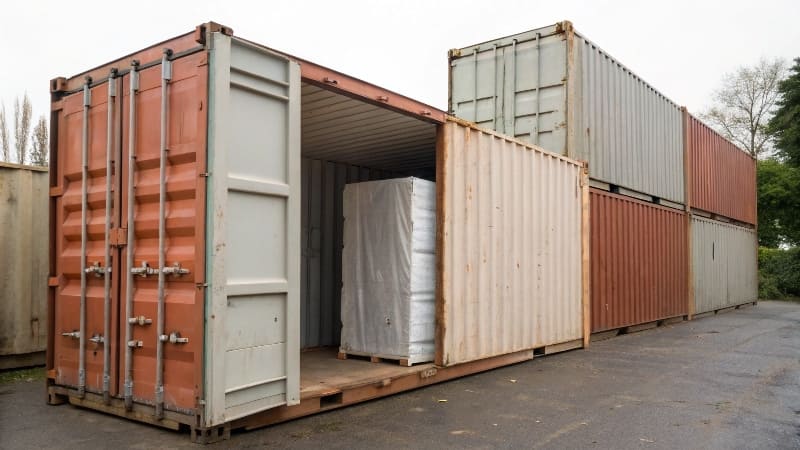
Using interior framing tracks or compression studs anchored to the floor and ceiling allows a full wall system to stand inside the container without harming its corrugated steel skin.
How to Secure Items in a Shipping Container?
Items are secured using lashing rings, D‑rings, vertical load bars, or interior framing rails welded to floor or side panels. Each holds cargo tightly against movement and stress during transit.
TRUSUS stability insight: cargo safety lives in its tie points, not in guesswork.
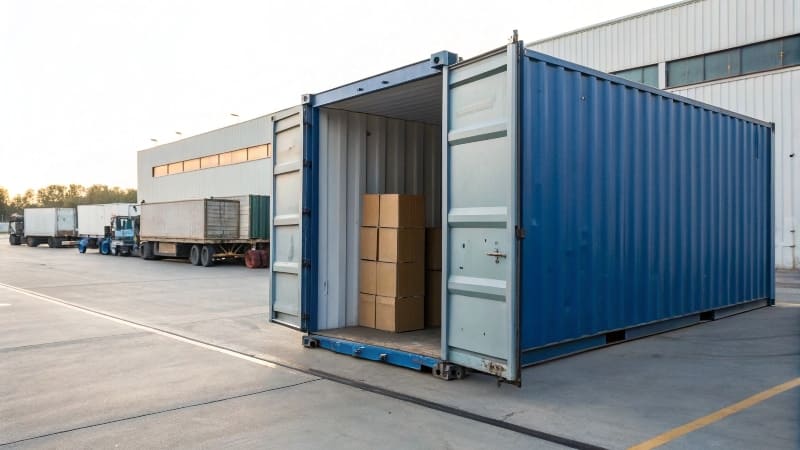
Cargo Securing Table
| Method | Equipment | Best Use |
|---|---|---|
| Lashing Rings | Bolted or welded to floor | Heavy furniture, machinery |
| E‑Track Rails | Mounted on side walls | Adjustable straps or bars |
| Load Bars | Extend floor to ceiling | Prevent shifting |
| Ratchet Straps | Attach to tie‑downs | General freight |
| Blocking and Bracing | Wood or foam | Fill gaps between loads |
During my site visits to ports, I’ve seen cargoes remain firm through typhoons thanks to carefully calculated attachment spacing and lashing pattern design.
How to Attach 2x4 to Shipping Container Without Drilling?
Attach 2x4s using magnetic mounting brackets, adhesive bonding, or freestanding framing systems. These solutions protect the steel shell and maintain corrosion resistance.
TRUSUS modular insight: no drilling means no compromise on structure.
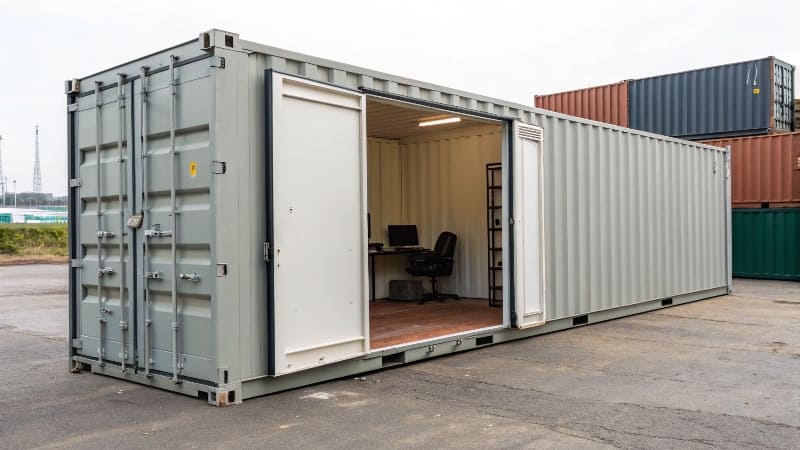
Non‑Drilling Methods Overview
| Method | Description | Pros |
|---|---|---|
| Magnetic Frame Mounts | Rare‑earth magnets clamp wood framing | Fast install, fully removable |
| U‑Clamp Brackets | Grip top and bottom lips of wall ribs | Strong and reversible |
| Adhesive Construction Tape | High‑strength bonding on clean steel | Ideal for light walls |
| Internal Floor‑to‑Ceiling Frame | No contact with steel walls | Full system flexibility |
I learned early that drilling through container walls invites future leaks. Modern magnetic and mechanical systems solve that by respecting both strength and sustainability.
Does a Shipping Container Home Need Studs?
Yes, but studs serve as interior framing rather than primary structure. The container’s steel body carries loads; studs shape insulation and electrical layers.
TRUSUS system insight: studs in a container add function, not strength.
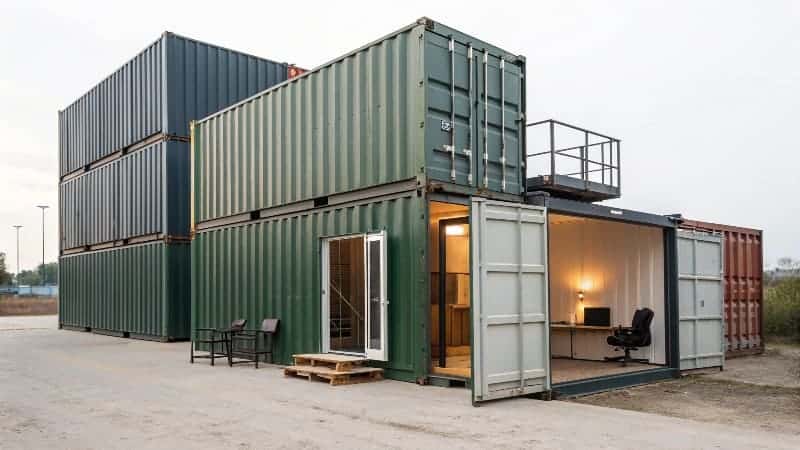
Framing Logic Table
| Function | Performed by | Material |
|---|---|---|
| Load Bearing | Container Shell | Corten Steel |
| Wall Framing | Light Metal or Wood Studs | Aluminum, Steel, or Timber |
| Insulation Channel | Between Studs | Foam, Mineral Wool |
| Electrical Path | Along Stud Line | Conduit or Surface Wire |
| Interior Finish Support | On Studs | Gypsum or Cement Board |
Adding interior studs allows integration of insulation, wiring, and wall finishes without altering the steel chassis. The result is a clean, warm, and code‑compliant living system inside a rugged metal frame.
Conclusion
At TRUSUS, I see every fastener, magnet, and stud as a bridge between shipping and shelter. The smarter we connect, the stronger our container spaces become.
