




How Are ISO Containers Inspected?
ISO containers are inspected under CSC and ISO 668 standards, which cover structural strength, dimensions, corner fitting accuracy, sealing integrity, and safety markings for global shipment compliance.
TRUSUS logistics insight: inspection is trust converted into certification.
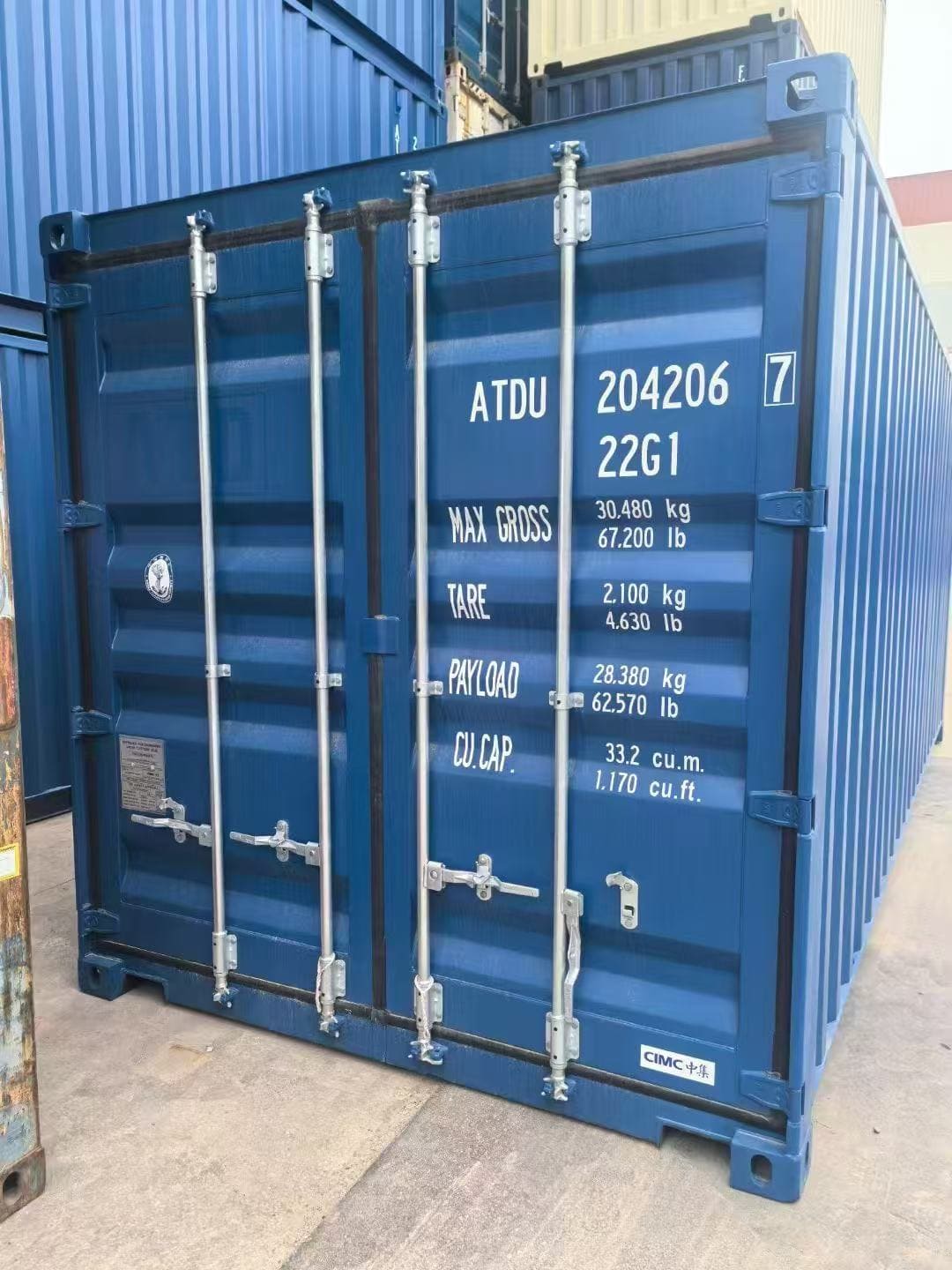
During inspection, each container undergoes visual and technical checks including floor condition, waterproof testing, door lock operation, and frame deformation analysis. Passing this audit means global insurance and usage approval.
What Is the Difference Between ISO and Non-ISO Containers?
ISO containers follow international size and strength standards, allowing global transport compatibility. Non-ISO containers are custom-built for specific local functions, often lacking standardized dimensions and certification.
compatibility insight: standardization connects every port to every purpose.
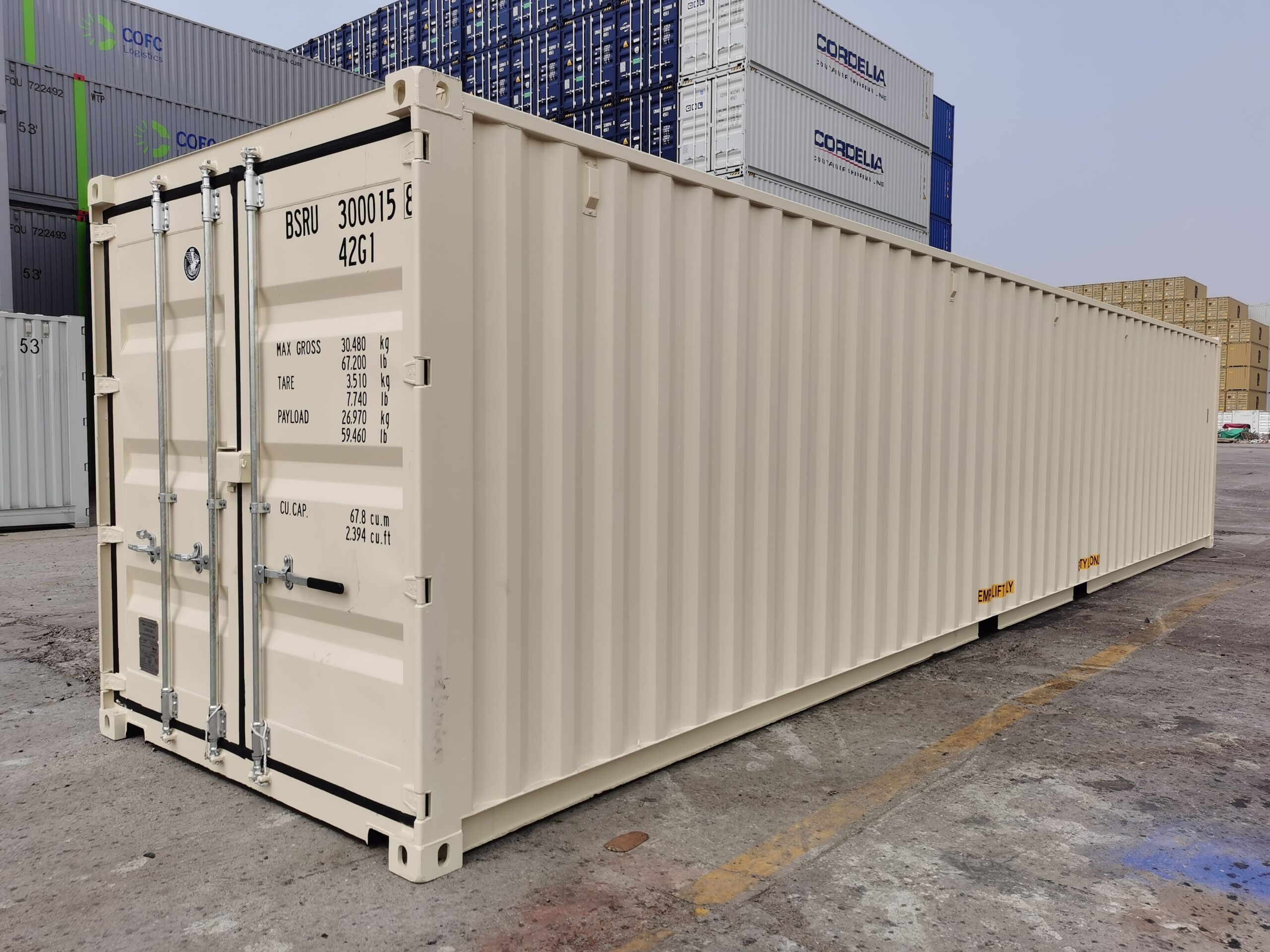
Container Comparison Chart
| Feature | ISO Container | Non-ISO Container |
|---|---|---|
| Size Standard | Defined by ISO 668 | Custom dimensions |
| Global Acceptance | Fully certified for shipping | Limited, often local |
| Structural Test | Mandatory CSC approval | Optional |
| Insurance Eligibility | Globally recognized | Restricted |
| Flexibility | High in logistics | High in design |
ISO boxes are global assets, designed to fit ships, trains, and trucks worldwide. Non-ISO units suit storage, offices, or modular buildings—valuable but locally bound.
Why Is a Shipping Container Called an ISO?
It is called an ISO container because its dimensions, strength, and fittings follow International Organization for Standardization (ISO) guidelines, mainly ISO 668. These ensure seamless interchange between logistics systems worldwide.
system insight: ISO is not a label—it is a shared mechanical language.

Global Fit Philosophy
| Element | Definition | Result |
|---|---|---|
| Corner Castings | Uniform fittings | Enables crane and chassis compatibility |
| Dimensions | 20ft, 40ft, 45ft references | Interchangeable handling systems |
| Structural Material | Corten steel or aluminum | Standardized strength |
| Certification | CSC / ISO compliance | Global movement authority |
This uniformity is why ISO containers are the backbone of logistics, real estate conversions, and intermodal transport—the same unit travels by sea, land, or reuses in architecture.
What Is the ISO Code for 40ft Container?
The most common ISO code for a 40ft container is 45G1, meaning a standard 40-foot general-purpose container with fixed ends and roof. This coding system defines container type and suitability for global carriage.
identification insight: every code is a passport for movement.
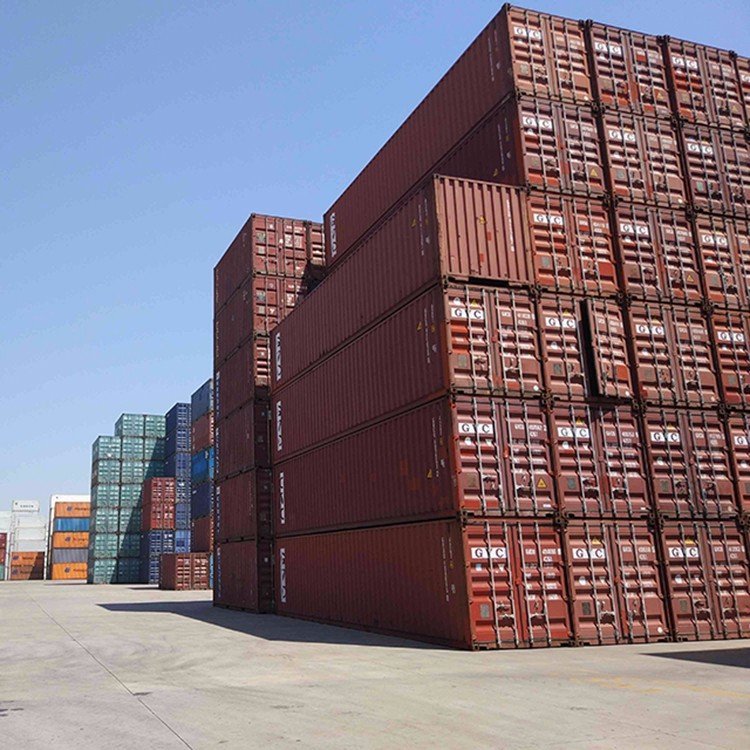
ISO Container Code Structure
| Code Example | Type | Length & Height | Meaning |
|---|---|---|---|
| 22G1 | 20ft General Purpose | 20ft × 8ft6in | Standard dry box |
| 45G1 | 40ft General Purpose | 40ft × 8ft6in | Standard dry box |
| 45G0 | 40ft High Cube | 40ft × 9ft6in | Extra height version |
| 42R1 | 20ft Reefer | 20ft × 8ft6in | Refrigerated container |
The ISO coding system keeps global logistics consistent and traceable—from cargo manifest to software tracking, from port to inland depot.
Conclusion
ISO containers are global trade’s common language—where each weld, code, and certification stands for trust and interchangeability. At TRUSUS, I see every stamped ISO box not just as steel, but as structured credibility across borders.
