




How Airtight Is a Shipping Container?
Shipping containers are water‑resistant, not air‑sealed.
They block rain, dust, and wind but still allow minimal air exchange through gaskets and vents.
TRUSUS container insight: waterproof doesn’t mean airproof.
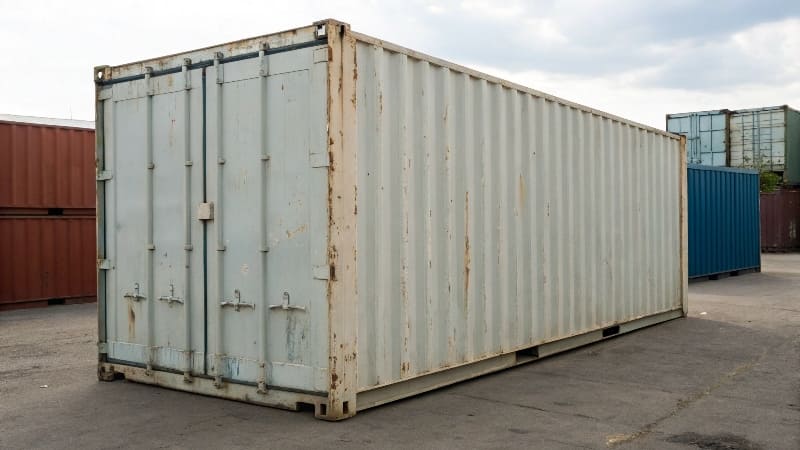
A standard container keeps out moisture and salt spray but isn’t built to trap air.
Door seals and ventilation points balance pressure and prevent corrosion.
That design makes the container durable, not airtight.
How to Know If a Container Is Truly Airtight?
You can test air tightness using a light test or soap‑bubble pressure test.
These methods find leaks but don’t prove perfect isolation.
TRUSUS testing insight: sealing is measurable; absolute airtightness is rare.
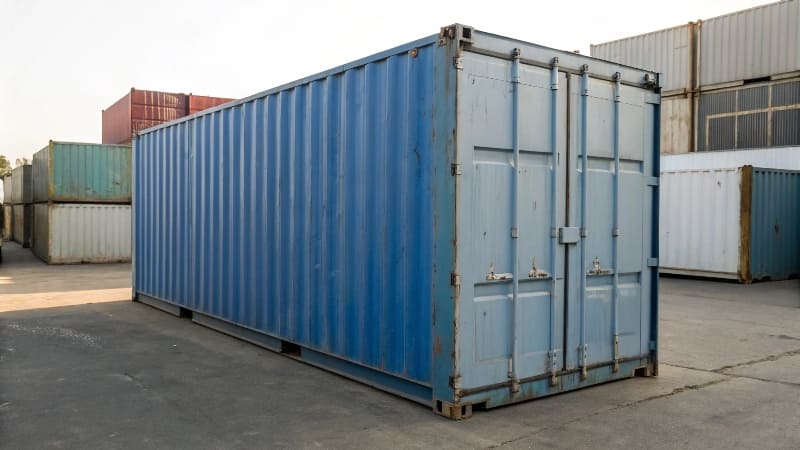
Test Reference
| Test Method | What It Checks | Practical Meaning |
|---|---|---|
| Light test | Visual leak points | Tests door gasket fit |
| Soap bubble test | Air leak detection | Verifies wind and rain sealing |
| Pressure test | Internal air loss | Shows pressure balance ability |
| Long‑term monitoring | Humidity stability | Indicates vent performance |
I once helped a client test a refurbished unit.
Light came through a hinge gap — not a defect, but a design allowance for door breathing.
Function matters more than absolute sealing.
What Containers Are Considered Air Tight?
Containers labeled “airtight” are usually modified with double seals, welded joints, or lining systems.
Cold chain and laboratory units meet higher sealing levels.
TRUSUS design insight: airtight containers start where standard ends.
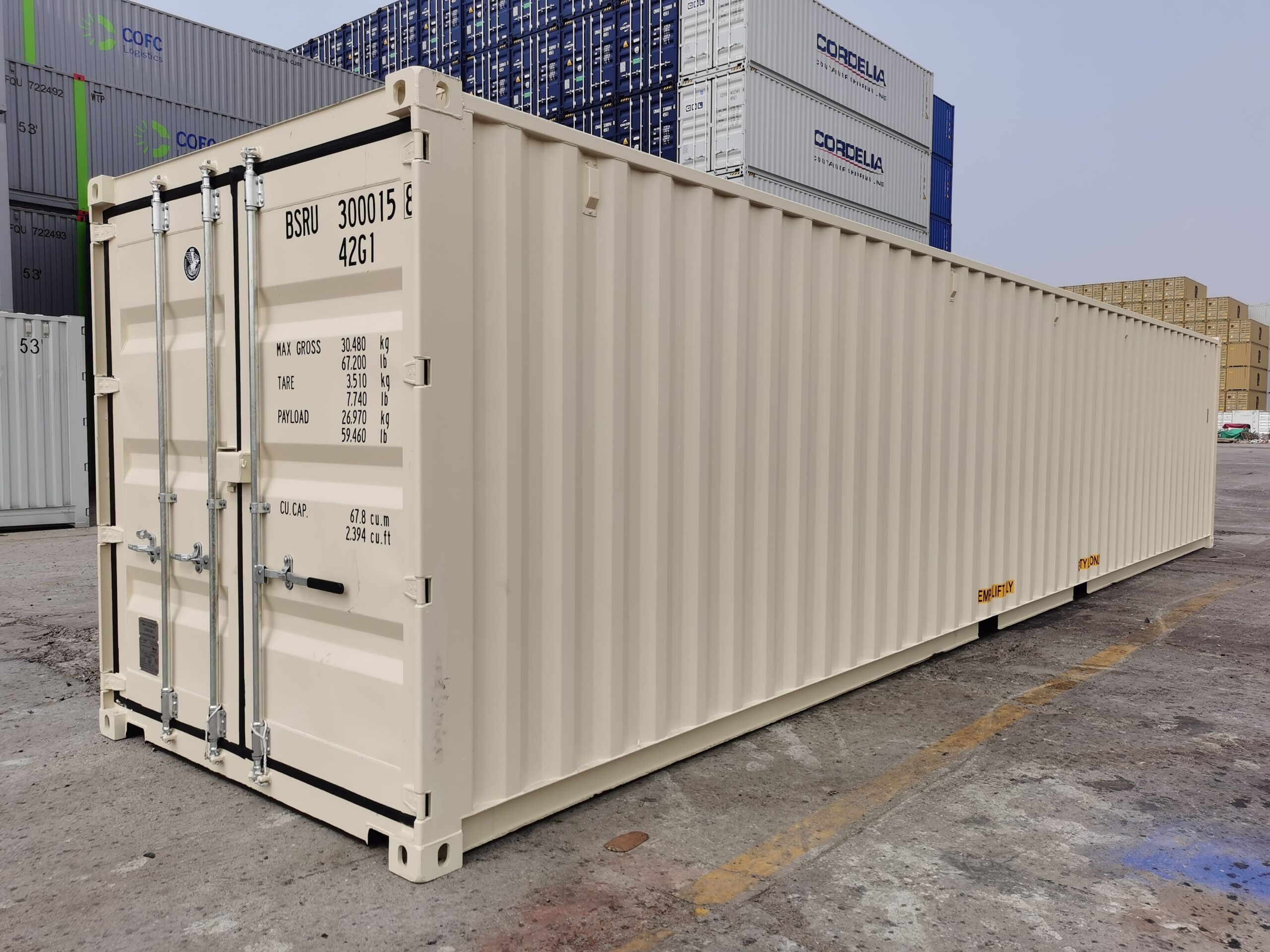
Container Classification
| Type | Air Tightness Level | Typical Use |
|---|---|---|
| Standard dry box | Low | General shipping |
| Insulated container | Moderate | Food transport |
| Refrigerated container | High | Controlled temperature logistics |
| Custom sealed lab unit | Very high | Pharmaceutical or research use |
In one custom build, we added internal polymer gaskets and welded vent covers to cut air leakage by 90%.
That upgrade turned a normal steel box into an environmental chamber—proof that airtightness is engineered, not inherited.
Are All Airtight Containers Smell Proof?
Not necessarily.
Air sealing doesn’t guarantee odor isolation because smells travel through microscopic diffusion.
TRUSUS odor insight: smell control is chemical, not only physical.
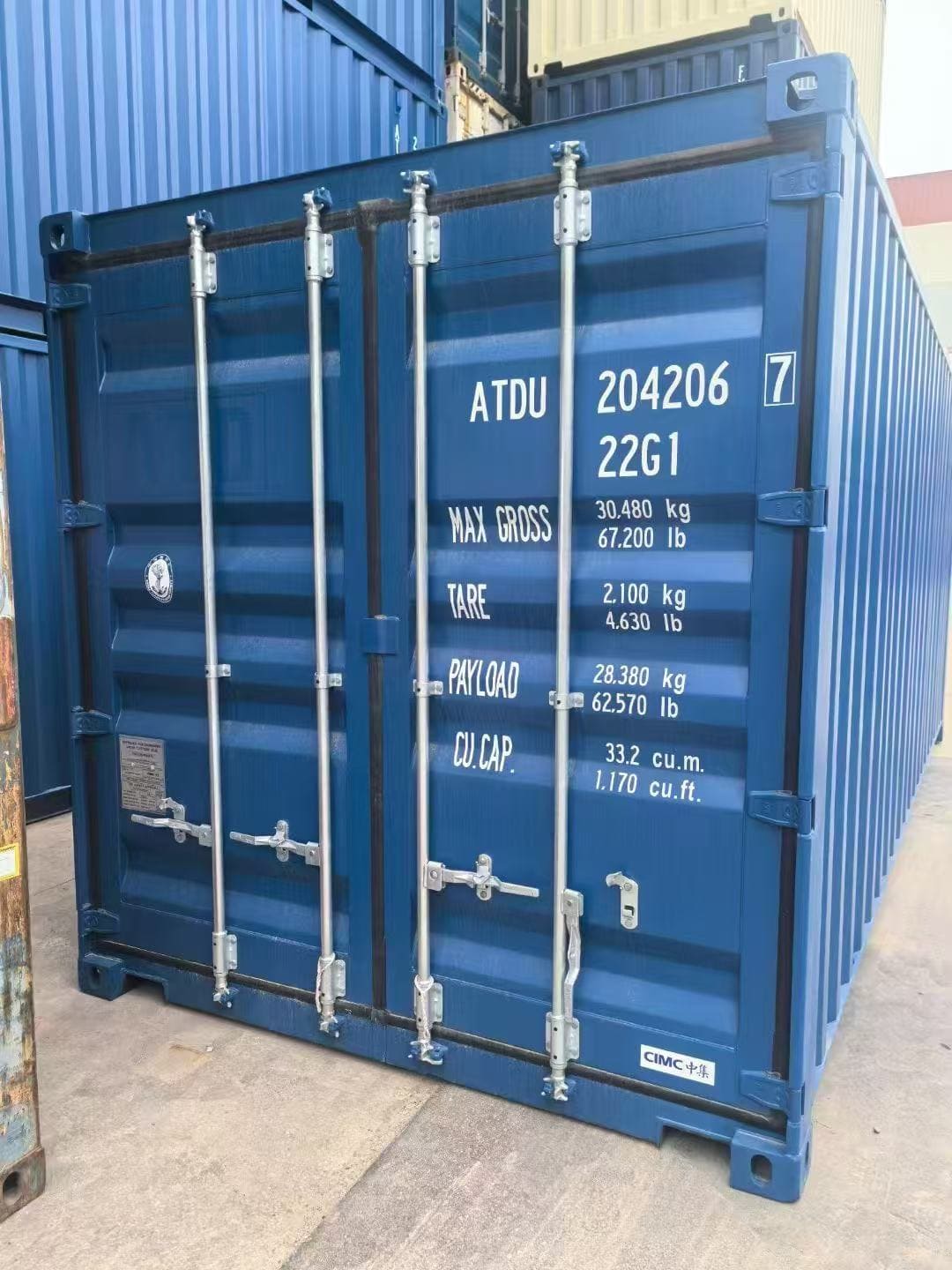
Odor‑Control Table
| Condition | Air Tight | Smell Proof | Reason |
|---|---|---|---|
| Standard container | ✔️ (partial) | ❌ | Gasket gaps allow vapor escape |
| Modified container | ✔️ | ⚠️ Partial | Odor still penetrates materials |
| Laboratory box | ✔️ | ✔️ | Activated filters or barrier films |
A client once stored aromatic oils in a “sealed” container—the scent leaked within weeks.
Smell travel depends on molecule behavior, not just air pressure sealing.
Conclusion
At TRUSUS, I see airtightness not as perfection but as purpose.
Waterproof, sealed, or smell‑proof—all are different layers of environmental control we can build, define, and refine.
