




Do Things Get Damp in Shipping Containers?
Many assume shipping containers naturally prevent moisture problems, but condensation issues commonly occur. Container dampness involves temperature fluctuations, ventilation limitations, and humidity management that require specific solutions for different storage and living applications requiring moisture control strategies.
Things can get damp in shipping containers due to temperature variations causing condensation on steel walls, poor ventilation creating humidity buildup, and sealed construction preventing moisture escape, requiring ventilation systems, insulation, and humidity control for effective moisture management in storage applications.
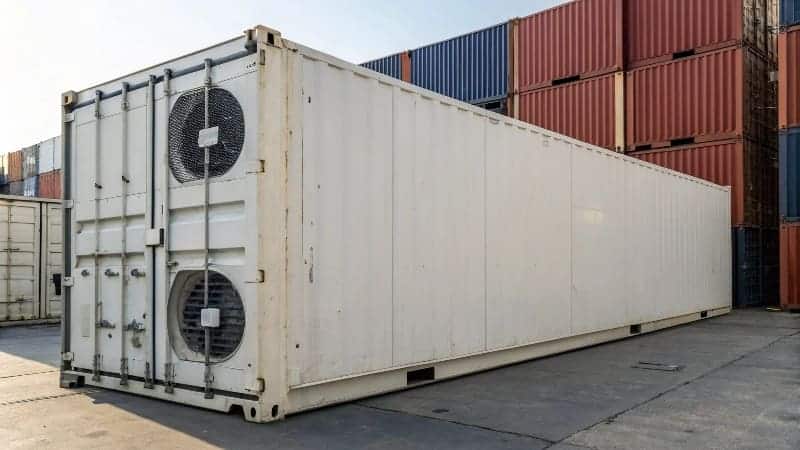
Through years of container sales and application consulting, I learned that moisture problems represent the most common complaint from new container users while proper ventilation design and humidity control transform containers into effective storage and living spaces requiring systematic approaches to environmental management.
Can I Use a Shipping Container as a Pool?
Understanding container pool conversion helps evaluate project feasibility and requirements. Container pools involve structural modifications, waterproofing systems, and engineering considerations that transform cargo containers into functional swimming facilities requiring comprehensive planning and professional implementation.
You can convert shipping containers into swimming pools through structural reinforcement, professional waterproofing, plumbing installation, and filtration systems, creating unique pool designs with proper engineering that ensures safety, durability, and regulatory compliance while offering cost advantages over traditional pool construction.
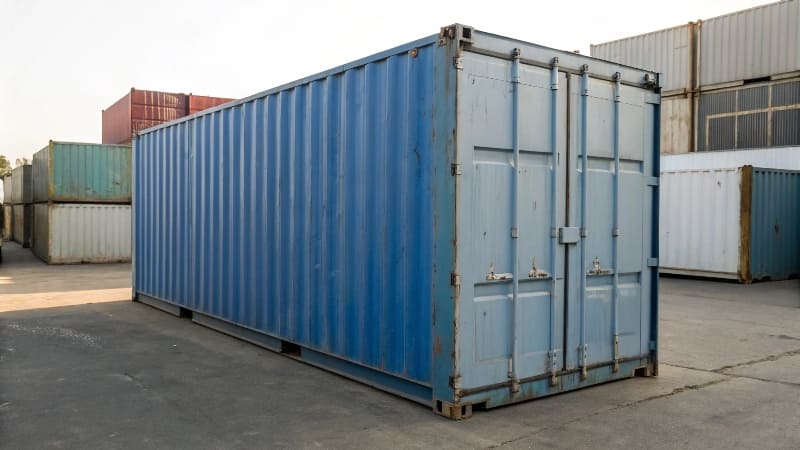
Comprehensive Container Pool Analysis and Conversion Guidelines
Container pool conversion represents an innovative approach to swimming pool construction combining industrial strength with creative design possibilities. During my experience working with container conversions and specialty applications, I learned that successful pool projects require understanding both container capabilities and swimming pool engineering requirements for safe, functional results.
Structural considerations include container strength analysis, reinforcement requirements, and load distribution that ensure pool structural integrity under water loads while maintaining container frame stability throughout the conversion process.
Container selection affects conversion success through size options, condition assessment, and structural integrity that determine suitability for pool conversion while influencing overall project costs and design possibilities.
Waterproofing systems require professional-grade pool liners, structural sealants, and corrosion protection that ensure long-term water containment while preventing steel degradation from constant water exposure.
Plumbing integration includes inlet/outlet placement, filtration connections, and drainage systems that provide proper water circulation while maintaining structural integrity and ensuring efficient pool operation.
Filtration requirements include pump selection, filter sizing, and chemical treatment systems that maintain water quality according to pool safety standards while accommodating container-specific installation constraints.
Insulation considerations involve thermal management for temperature control and energy efficiency while preventing condensation problems that could affect structural components and pool operation.
Safety compliance includes pool barrier requirements, electrical safety, and local building codes that ensure legal compliance while protecting users through proper safety systems and emergency features.
Cost advantages include faster installation, reduced excavation, and potential relocation capabilities that provide economic benefits compared to traditional pool construction while offering unique design aesthetics.
Design flexibility allows above-ground, partially buried, or fully integrated installations with customization options including windows, decking integration, and aesthetic enhancements that create unique pool environments.
Maintenance requirements include steel protection, liner care, and equipment service that ensure long-term performance while addressing container-specific considerations for optimal pool operation.
| Conversion Aspect | Requirements | Cost Range | Professional Needs |
|---|---|---|---|
| Container Preparation | Structural assessment | $2,000-5,000 | Engineering consultation |
| Cleaning/sandblasting | Surface preparation | $1,000-2,500 | Professional services |
| Rust treatment | Corrosion control | $500-1,500 | Specialized coating |
| Waterproofing System | Professional installation | $8,000-15,000 | Pool specialists |
| Liner installation | Quality materials | $5,000-10,000 | Certified installers |
| Structural sealing | Critical components | $2,000-5,000 | Waterproofing experts |
| Plumbing Installation | Complete system | $5,000-12,000 | Licensed plumbers |
| Filtration equipment | Pool-grade systems | $3,000-8,000 | Pool professionals |
| Electrical work | Safety compliance | $2,000-6,000 | Electrical contractors |
| Finishing Work | Access/safety features | $3,000-8,000 | Pool contractors |
| Decking/surrounds | Integration design | $5,000-15,000 | Construction specialists |
| Safety compliance | Code requirements | $1,000-3,000 | Inspection/permits |
How Much Does It Cost to Turn a Shipping Container into a Swimming Pool?
Understanding container pool conversion costs helps budget planning and project evaluation. Container pool expenses involve container acquisition, structural modifications, waterproofing, plumbing, and finishing work that vary based on size, complexity, and quality requirements affecting total project investment.
Converting a shipping container into a swimming pool typically costs $30,000-80,000 including container purchase ($3,000-8,000), structural modifications ($10,000-25,000), waterproofing ($8,000-15,000), plumbing/filtration ($8,000-20,000), and finishing work ($5,000-20,000) depending on size, features, and installation complexity.
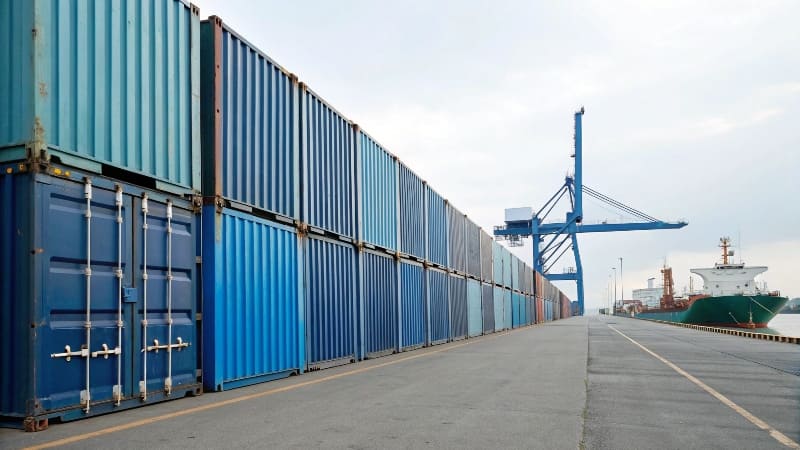
Detailed Container Pool Cost Analysis and Budget Planning
Container pool conversion costs involve multiple components requiring careful budget planning and professional estimates for accurate project costing. During my experience working with container conversion pricing and project planning, I learned that understanding cost factors prevents budget surprises while ensuring quality results through appropriate investment in critical systems.
Container acquisition costs vary by size, condition, and location with 20-foot containers ranging $3,000-6,000 and 40-foot units costing $5,000-8,000 while high-cube containers command premium pricing for additional depth.
Preparation expenses include cleaning, sandblasting, and rust treatment ranging $1,500-4,000 depending on container condition while ensuring proper surface preparation for waterproofing adhesion and long-term durability.
Structural modifications include cutting, reinforcement, and frame work costing $8,000-20,000 based on complexity while ensuring structural integrity under water loads and providing access openings.
Waterproofing systems represent critical investment ranging $8,000-15,000 for professional-grade pool liners and structural sealants that ensure long-term water containment without leakage.
Plumbing installation includes filtration systems, pumps, and water features costing $8,000-20,000 depending on system complexity while ensuring proper water circulation and quality maintenance.
Electrical work encompasses lighting, pumps, and safety systems ranging $3,000-8,000 while meeting pool electrical codes and safety requirements for wet location installations.
Finishing costs include access systems, decking, and aesthetic enhancements ranging $5,000-20,000 based on design complexity while creating functional and attractive pool environments.
Professional services include engineering, permits, and specialized contractors adding $5,000-15,000 to project costs while ensuring safety compliance and quality installation.
Location factors affect costs through local labor rates, permit requirements, and accessibility issues that influence total project expenses while varying significantly by geographic region.
Quality considerations allow cost optimization through material selection, feature complexity, and finish levels while balancing budget constraints with performance requirements and aesthetic goals.
| Cost Component | Budget Range | Quality Level | Professional Requirements |
|---|---|---|---|
| Container Acquisition | $3,000-8,000 | Condition dependent | Supplier selection |
| 20-foot standard | $3,000-5,000 | Good condition | Inspection recommended |
| 40-foot standard | $5,000-7,000 | Premium condition | Structural assessment |
| High-cube options | $6,000-8,000 | Superior dimensions | Engineering consultation |
| Preparation Work | $1,500-4,000 | Surface quality | Professional services |
| Cleaning/blasting | $1,000-2,500 | Coating adhesion | Certified contractors |
| Rust treatment | $500-1,500 | Corrosion protection | Specialized application |
| Structural Modifications | $8,000-20,000 | Engineering requirements | Licensed contractors |
| Cutting/reinforcement | $5,000-12,000 | Structural integrity | Engineering oversight |
| Access installation | $3,000-8,000 | Safety compliance | Pool specialists |
| Waterproofing Systems | $8,000-15,000 | Critical performance | Pool professionals |
| Professional liners | $6,000-12,000 | Long-term reliability | Certified installers |
| Structural sealing | $2,000-3,000 | Leak prevention | Waterproofing experts |
| Plumbing/Filtration | $8,000-20,000 | System complexity | Licensed professionals |
| Basic filtration | $5,000-10,000 | Standard performance | Pool contractors |
| Advanced systems | $10,000-20,000 | Premium features | Specialized equipment |
| Finishing Work | $5,000-20,000 | Aesthetic goals | Design professionals |
| Basic access | $3,000-8,000 | Functional requirements | Pool contractors |
| Premium finishes | $10,000-20,000 | Luxury features | Custom specialists |
How Long Will a Shipping Container Last Outside?
Understanding container outdoor longevity helps plan maintenance and replacement schedules. Container exterior durability involves weather exposure, corrosion protection, and maintenance practices that affect service life in outdoor environments requiring protective measures for optimal performance.
Shipping containers last 15-25 years outside with minimal maintenance in moderate climates, though coastal environments reduce lifespan to 10-15 years due to salt corrosion, while proper maintenance including protective coatings, drainage, and regular inspection can extend outdoor service life to 30+ years.
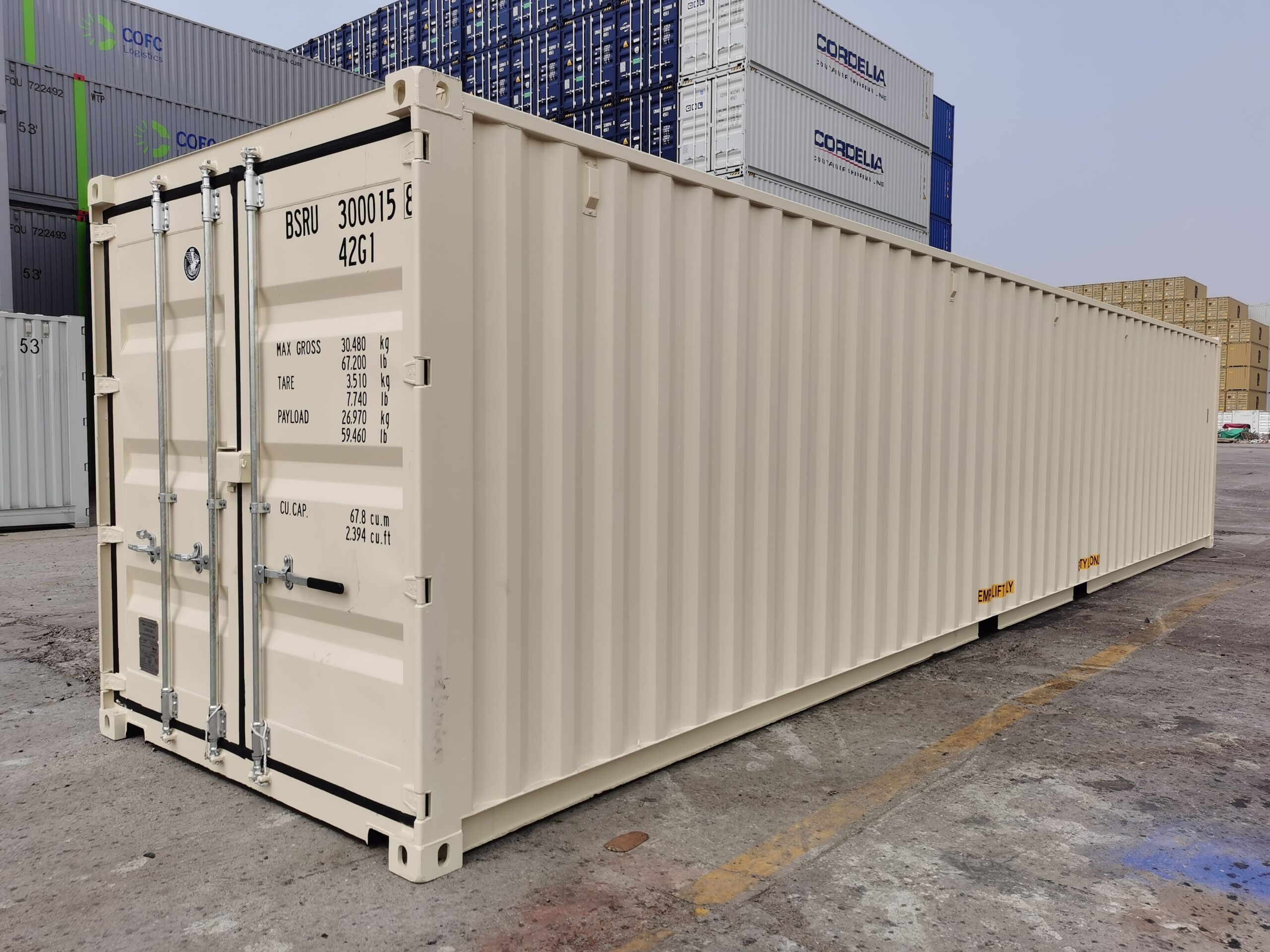
Comprehensive Container Outdoor Durability Analysis and Maintenance Planning
Container outdoor longevity involves environmental factors, protective measures, and maintenance practices that determine actual service life in exterior applications. During my experience working with container placement consulting and long-term performance monitoring, I learned that understanding durability factors enables proper planning while preventive maintenance significantly extends container service life.
Environmental factors represent primary influences on container longevity including climate conditions, precipitation levels, humidity, and temperature variations that affect corrosion rates and structural degradation over time.
Coastal exposure accelerates deterioration through salt air corrosion that attacks steel components more aggressively than inland environments while requiring enhanced protective measures and more frequent maintenance schedules.
Climate considerations include precipitation patterns, humidity levels, and temperature extremes that influence corrosion rates while tropical and marine environments present greater challenges than dry continental climates.
Corrosion protection includes factory applied coatings, field applied systems, and maintenance coatings that provide barrier protection against environmental exposure while requiring periodic renewal for continued effectiveness.
Foundation design affects container longevity through proper drainage, elevation, and support distribution that prevents water accumulation and ground contact corrosion while ensuring structural stability.
Maintenance practices significantly influence service life through cleaning schedules, coating renewal, and damage repair that prevent minor issues from becoming major problems while preserving structural integrity.
Inspection programs identify problems early through regular assessment of coating condition, structural integrity, and corrosion development that enable timely intervention before costly repairs become necessary.
Protective measures include roof overhangs, ventilation systems, and drainage improvements that reduce environmental exposure while creating more favorable conditions for extended service life.
Usage factors affect durability through door operation frequency, load cycling, and handling practices that influence wear patterns while proper operation extends mechanical component life.
Cost optimization balances maintenance investment with replacement timing while considering application requirements and performance expectations that justify maintenance spending versus replacement decisions.
| Durability Factor | Service Life Impact | Maintenance Strategy | Extension Potential |
|---|---|---|---|
| Environmental Conditions | Primary influence | Climate adaptation | Significant improvement |
| Moderate inland | 20-25+ years | Standard maintenance | 30+ years possible |
| Coastal exposure | 10-15 years | Enhanced protection | 20+ years achievable |
| Tropical conditions | 12-18 years | Aggressive maintenance | 25+ years potential |
| Protective Coatings | Critical performance | Regular renewal | Major extension |
| Factory coatings | 10-15 year base | Inspection monitoring | Baseline protection |
| Maintenance coatings | 5-10 year cycles | Scheduled application | Continuous protection |
| Premium systems | 15-20 year cycles | Quality investment | Superior longevity |
| Foundation Design | Structural preservation | Proper installation | Fundamental protection |
| Elevated placement | Drainage optimization | Ground clearance | Corrosion prevention |
| Concrete pads | Moisture barrier | Professional installation | Maximum protection |
| Maintenance Practices | Service life multiplier | Preventive programs | Exponential benefits |
| Regular cleaning | Contamination removal | Scheduled procedures | Coating preservation |
| Prompt repairs | Damage limitation | Quick response | Problem prevention |
| Usage Patterns | Wear acceleration | Operational optimization | Component preservation |
| Door operation | Mechanical wear | Lubrication programs | Seal preservation |
| Load handling | Structural stress | Proper procedures | Frame protection |
| Investment Strategy | Cost optimization | Lifecycle planning | Value maximization |
| Preventive maintenance | Cost-effective approach | Regular investment | Extended service |
| Replacement timing | Economic optimization | Condition assessment | Strategic planning |
Conclusion
Shipping containers experience dampness without proper ventilation and humidity control requiring moisture management systems, container pool conversion is feasible with costs ranging $30,000-80,000 including structural modifications and waterproofing, and containers last 15-25 years outdoors with proper maintenance while coastal environments reduce longevity requiring enhanced protection measures and regular upkeep for optimal performance.
