




Do Shipping Containers Need a Foundation for Permanent Placement?
Many container buyers assume these steel structures can be placed directly on ground without support. Understanding foundation requirements prevents structural damage, moisture issues, and costly repairs while ensuring safe, stable container placement.
Shipping containers require proper foundation support for permanent installations to prevent moisture damage, ensure structural stability, and maintain air circulation, though foundation complexity varies from simple gravel pads to concrete footings based on use and local conditions.
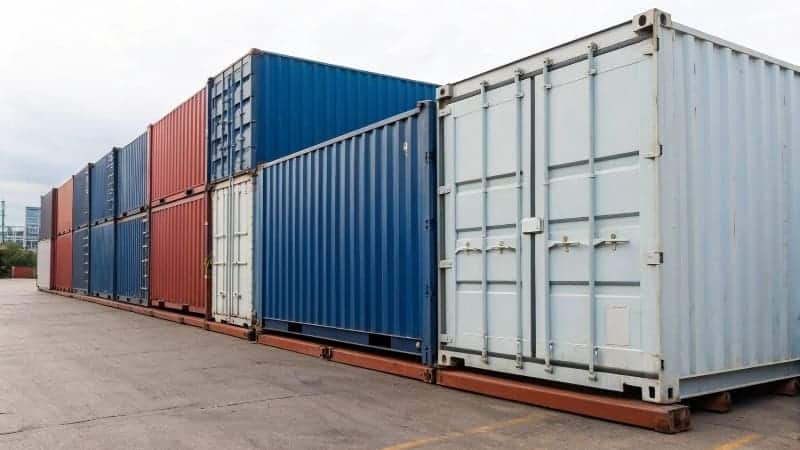
Through years of helping customers with container installations, I learned that foundation decisions significantly impact container longevity and performance. Proper support prevents costly problems while ensuring containers serve their intended purposes effectively throughout their service life.
Do You Need to Put Anything Under a Shipping Container?
Understanding what goes beneath containers helps prevent moisture damage and structural problems. Proper substrate preparation ensures stable placement and extends container service life significantly.
Containers should never sit directly on soil or grass, requiring drainage materials like gravel or concrete supports to prevent moisture accumulation, ground settlement, and structural damage while maintaining air circulation around the container bottom.
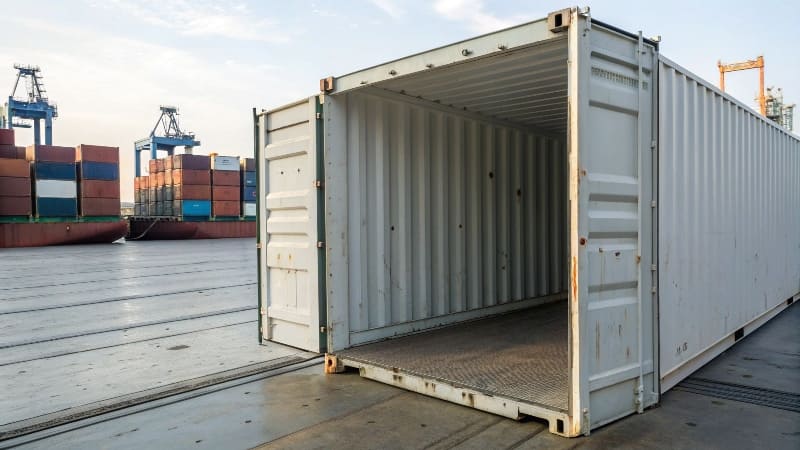
Essential Substrate Considerations and Moisture Management
Ground contact represents the primary threat to container longevity when units are placed permanently without appropriate substrate preparation. During my experience observing container installations across various environments, I discovered that improper ground preparation causes more structural damage than weather exposure or normal wear.
Direct soil contact creates multiple problems including moisture absorption through the container floor, corrosion of bottom rails and corner posts, and pest intrusion through gaps created by ground settlement. Soil retains moisture against container surfaces, accelerating rust formation and structural deterioration. Ground organisms and roots can also cause physical damage over time.
Drainage requirements become critical when containers are placed permanently since accumulated water around and under containers causes rapid deterioration of steel components. Proper drainage directs water away from container bases and prevents pooling that leads to corrosion and foundation settlement. Inadequate drainage is the leading cause of premature container failure in permanent installations.
Gravel substrate provides excellent drainage while distributing container weight evenly across larger ground areas. A 4-6 inch gravel base extends beyond container dimensions and slopes away from the unit to direct water drainage. Crushed stone compacts well while maintaining drainage properties essential for long-term container support.
Concrete pads offer superior stability and weight distribution for permanent installations, particularly in areas with poor soil conditions or high moisture levels. Properly reinforced concrete pads prevent settlement and provide stable platforms for container modifications including electrical and plumbing connections. Concrete costs more initially but reduces long-term maintenance needs.
Air circulation beneath containers prevents moisture accumulation and allows inspection of bottom conditions. Elevating containers 6-12 inches above ground level through pier systems or raised foundations maintains air flow while providing access for maintenance and pest control. Ground-level placement restricts air movement and creates moisture traps.
Vapor barriers may seem beneficial but can actually trap moisture if not properly installed with adequate ventilation systems. Impermeable barriers without drainage can create standing water problems worse than direct ground contact. Proper drainage design eliminates the need for vapor barriers in most installations.
Slope considerations affect drainage effectiveness and container stability, with slight slopes away from containers being beneficial while excessive slopes create stability problems. Level placement on properly graded and drained substrates provides optimal conditions for container longevity and prevents stress concentrations in corner fittings.
| Substrate Type | Drainage Quality | Cost Level | Maintenance Needs | Best Applications |
|---|---|---|---|---|
| Direct ground | Poor | None | High - frequent issues | Never recommended |
| Gravel base | Excellent | Low | Low | Temporary, rural areas |
| Concrete pads | Good with slopes | Moderate | Very low | Permanent installations |
| Raised piers | Excellent | Moderate | Low | Areas with drainage issues |
| Treated timber | Good | Low-moderate | Moderate | Temporary, dry climates |
What is the Best Base to Put a Shipping Container On?
Choosing optimal container base systems requires understanding site conditions, intended use, and local climate factors. Different base types provide varying levels of performance and cost-effectiveness.
The best container base depends on site conditions and intended use, with concrete piers offering superior stability for permanent installations while gravel pads provide cost-effective solutions for temporary placement, and raised foundations ensure optimal drainage and access.
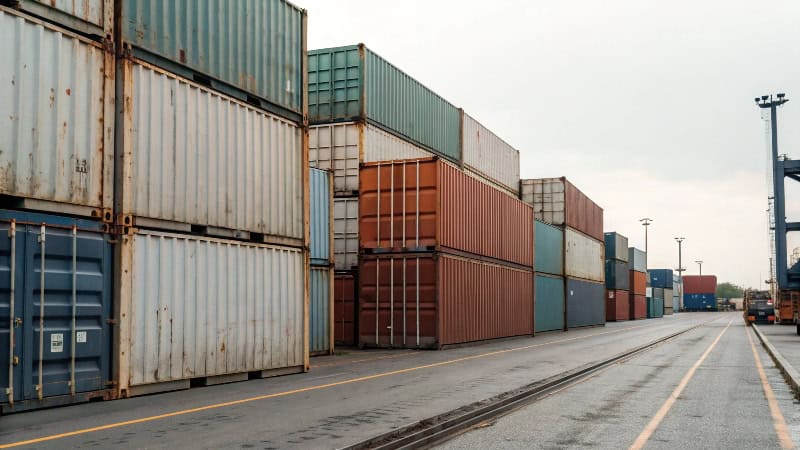
Comprehensive Base System Evaluation
Base system selection significantly affects container performance, installation costs, and long-term maintenance requirements. During my work with customers across diverse geographical and climatic conditions, I learned that optimal base choices balance initial costs with long-term performance while addressing site-specific challenges and intended use requirements.
Concrete pier systems provide the most stable and durable foundation option for permanent container installations. Properly sized piers distribute container loads effectively while elevating units above ground moisture and providing excellent access for utilities and maintenance. Pier systems work particularly well in areas with expansive soils or poor drainage conditions.
Concrete pad foundations offer excellent stability and weight distribution for heavy-use applications but require more extensive site preparation and higher initial costs. Full pads work well for container modifications including heavy equipment installation or frequent access requirements. Proper reinforcement and drainage design prevent cracking and settlement issues.
Gravel pad systems balance cost-effectiveness with performance for many container applications, providing good drainage and stability when properly installed. Crushed stone bases should extend beyond container dimensions and include proper compaction and grade for optimal performance. Gravel systems work well in stable soil conditions with good natural drainage.
Railroad tie foundations provide moderate cost options for temporary installations but require treatment for moisture and pest resistance. Properly spaced ties distribute container loads while providing elevation for drainage and access. Tie foundations work best in dry climates with stable soil conditions and temporary use requirements.
Helical pier systems excel in challenging soil conditions including expansive clays, loose soils, or areas with high water tables. These engineered foundations provide superior stability and can accommodate containers on slopes or in areas unsuitable for other foundation types. Professional installation ensures proper load capacity and compliance with local codes.
Adjustable pier systems offer advantages for uneven terrain or situations requiring future releveling capabilities. Screw-jack piers allow for fine adjustments and accommodate ground movement over time. These systems provide flexibility for temporary installations or challenging site conditions.
Site-specific factors significantly influence optimal base selection including soil type, drainage conditions, climate, seismic activity, and local building codes. Professional soil analysis may be necessary for permanent installations or challenging conditions. Local code requirements may specify minimum foundation standards for container installations.
Cost-benefit analysis should consider initial installation costs, long-term maintenance needs, and container service life expectations. Expensive foundation systems may be justified for permanent installations while simple solutions work for temporary applications. Total cost of ownership often favors more expensive foundations for long-term use.
| Foundation Type | Initial Cost | Stability Rating | Drainage Quality | Best Use Cases |
|---|---|---|---|---|
| Concrete piers | Moderate-High | Excellent | Excellent | Permanent, heavy use |
| Full concrete pad | High | Excellent | Good with design | Heavy equipment, workshops |
| Gravel base | Low | Good | Excellent | Temporary, good soil |
| Railroad ties | Low-Moderate | Good | Good | Temporary, dry climates |
| Helical piers | High | Excellent | Excellent | Poor soil, permanent |
| Adjustable piers | Moderate | Very good | Excellent | Uneven terrain, flexibility |
Can a Shipping Container Sit on Gravel Safely?
Understanding gravel foundation capabilities helps determine when this cost-effective option provides adequate support. Proper gravel installation techniques ensure safe container placement and long-term stability.
Shipping containers can safely sit on properly prepared gravel bases that provide adequate drainage, weight distribution, and stability, though gravel depth, type, and installation quality significantly affect performance and suitability for different applications.
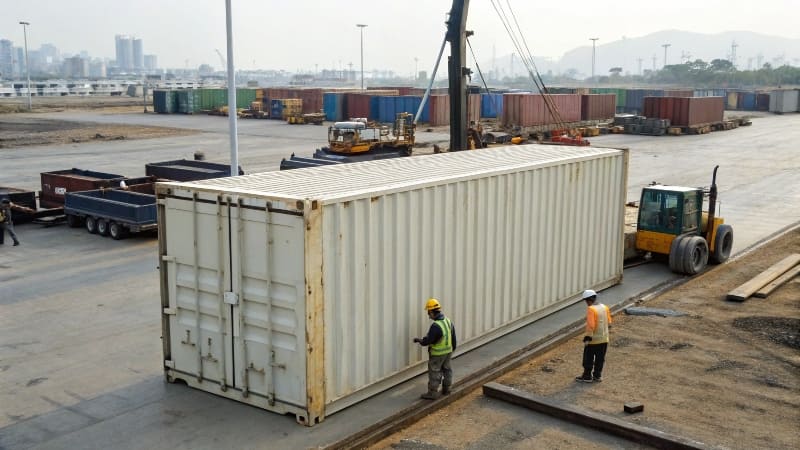
Gravel Foundation Design and Performance Requirements
Gravel foundations represent practical, cost-effective solutions for many container installations when properly designed and installed. Through my experience helping customers evaluate foundation options, I learned that gravel system success depends on understanding material specifications, installation techniques, and application limitations rather than simply spreading stone beneath containers.
Gravel type selection affects drainage performance, stability, and longevity of container foundations. Crushed stone provides better compaction and stability than rounded gravel while maintaining excellent drainage characteristics. Angular stone particles interlock effectively and resist displacement under load. Avoid fine materials or sand that can retain moisture and compromise drainage.
Depth requirements vary based on soil conditions and container loading but generally require 4-6 inches of compacted gravel extending beyond container dimensions. Poor soil conditions may require greater depth or geotextile fabric beneath gravel to prevent mixing with underlying soil. Proper depth ensures adequate load distribution and prevents settlement.
Compaction becomes critical for gravel foundation performance since loose stone can settle and create uneven container support. Mechanical compaction using plate compactors or rollers creates stable bases that maintain level surfaces under container loads. Hand compaction may be adequate for small areas but mechanical compaction ensures better long-term performance.
Drainage design requires gravel beds to slope away from containers and connect to natural drainage or designed systems. Standing water around containers accelerates corrosion and can undermine foundation stability. Proper grading directs water away while maintaining foundation integrity and preventing moisture problems.
Edge containment prevents gravel migration and maintains foundation integrity over time. Concrete curbs, treated timber, or steel edging systems hold gravel in position while allowing drainage. Edge containment becomes more important for permanent installations or areas with surface water flow.
Geotextile fabric placement beneath gravel prevents mixing with underlying soil while maintaining drainage properties. Fabric selection should provide adequate strength and permeability for specific soil conditions. Proper fabric installation includes appropriate overlap and edge treatment to prevent soil intrusion.
Load distribution considerations require understanding container weight distribution and ground bearing capacity. Standard 20-foot containers weigh approximately 5,000 pounds empty while 40-foot units weigh about 8,000 pounds. Loaded containers significantly increase ground loading and may require larger gravel beds or alternative foundation systems.
Maintenance requirements for gravel foundations include periodic inspection for settlement, edge erosion, or weed growth. Annual maintenance typically involves adding gravel, re-grading surfaces, and controlling vegetation. Maintenance needs increase in areas with heavy precipitation or freeze-thaw cycles.
Climate factors affect gravel foundation performance with freeze-thaw cycles potentially causing heaving or settlement. Proper drainage becomes more critical in cold climates while dust control may be necessary in arid regions. Local climate conditions should influence gravel type selection and installation specifications.
| Installation Factor | Specification | Performance Impact | Quality Indicators |
|---|---|---|---|
| Gravel depth | 4-6 inches compacted | Stability, drainage | Even compaction, proper slope |
| Material type | Crushed stone, 3/4" minus | Load bearing, drainage | Angular particles, minimal fines |
| Bed width | Container width + 2 feet | Weight distribution | Extends beyond container |
| Compaction | 95% standard proctor | Settlement prevention | Firm, stable surface |
| Drainage slope | 1-2% away from container | Moisture management | No standing water |
| Edge containment | Permanent barriers | Long-term stability | Secure, well-anchored |
Conclusion
Shipping containers require proper foundation support ranging from gravel pads to concrete systems based on intended use, with adequate drainage and weight distribution being essential for preventing moisture damage and ensuring long-term structural stability.
