




Do Shipping Containers Mold?
When clients ask me, "Do shipping containers mold?", I know they're really wondering if their investment will stay clean and usable over time.
Yes, shipping containers can develop mold, especially when moisture gets trapped inside without proper ventilation. The steel walls create condensation when temperature fluctuates, and without airflow, this moisture creates ideal conditions for mold growth.
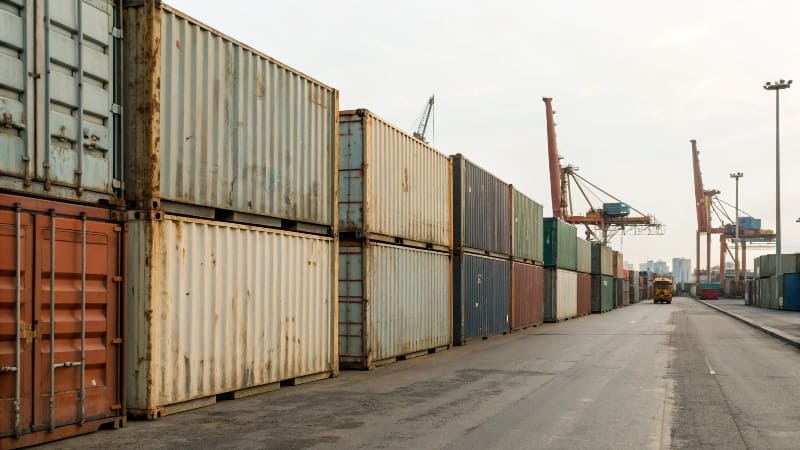
During my years selling both new and used containers, I've learned that mold isn't a container defect—it's an environmental management issue. The key lies in understanding how moisture behaves in enclosed steel spaces and controlling it proactively.
Can Mold Grow in a Sealed Container?
This question reveals a common misconception about container environments.
Mold can definitely grow in sealed containers—in fact, sealed conditions often make it worse. Without ventilation, moisture from temperature changes, residual cargo humidity, or small leaks gets trapped, creating a greenhouse effect perfect for mold colonies.
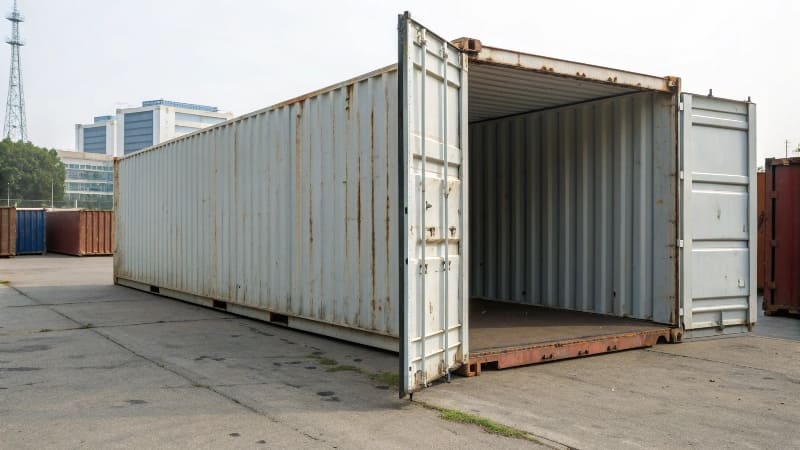
How Sealed Conditions Promote Mold Growth
From examining hundreds of containers, I've observed that sealed environments accelerate rather than prevent mold development.
| Condition | Effect on Mold Growth | Why It Happens |
|---|---|---|
| No Air Circulation | Stagnant moisture zones | Humidity concentrates in corners |
| Temperature Fluctuation | Condensation on metal walls | Day/night thermal cycling |
| Trapped Organic Matter | Food source available | Wooden floors, cargo residue |
| High Humidity | Optimal growth environment | No moisture escape route |
That's why shipping lines use desiccant bags and ventilation systems during ocean transport—sealing alone creates problems rather than solving them.
How to Remove Mold from a Shipping Container?
Clients often discover mold after purchasing used containers and want to know if cleaning is effective.
To remove mold from shipping containers: ventilate thoroughly, scrape off loose growth, apply antifungal solution (bleach or commercial mold remover), sand affected areas, prime and repaint, then install ventilation to prevent recurrence.
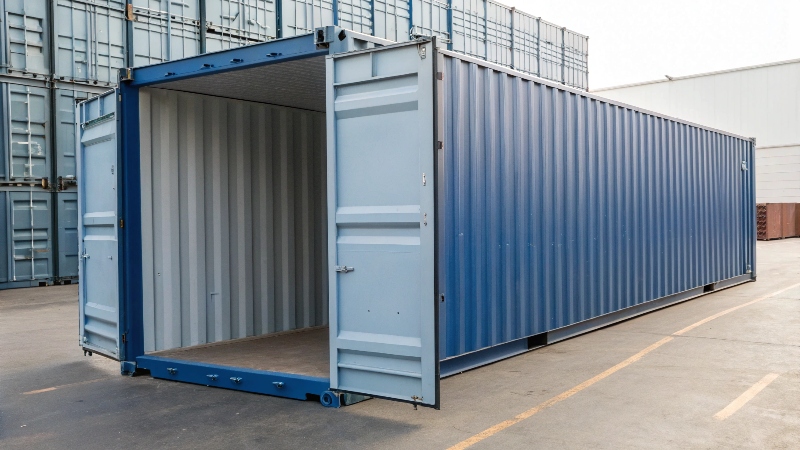
Step-by-Step Mold Remediation
I've guided many customers through successful container restoration—the process is straightforward but requires thoroughness.
| Step | Process | Materials Needed | Time Required |
|---|---|---|---|
| 1. Safety Preparation | Wear protective gear, open doors | N95 masks, gloves, eye protection | 15 minutes |
| 2. Physical Removal | Scrape or wire brush loose mold | Scrapers, brushes, vacuum | 2-4 hours |
| 3. Chemical Treatment | Apply antifungal solution | 10% bleach or commercial remover | 1 hour |
| 4. Surface Preparation | Sand and clean metal surfaces | Sandpaper, rags, degreaser | 2-3 hours |
| 5. Protection Coating | Prime and paint with mold-resistant paint | Rust converter, primer, paint | 4-6 hours |
The most critical element is ensuring complete dryness before sealing—any remaining moisture will restart the cycle.
Can You Still Use a Container That Had Mold in It?
This question determines whether a container is a total loss or a recoverable asset.
Yes, containers with previous mold can be safely restored for most uses after proper cleaning and treatment. However, containers intended for food storage, living spaces, or sensitive cargo require more extensive decontamination and certification.
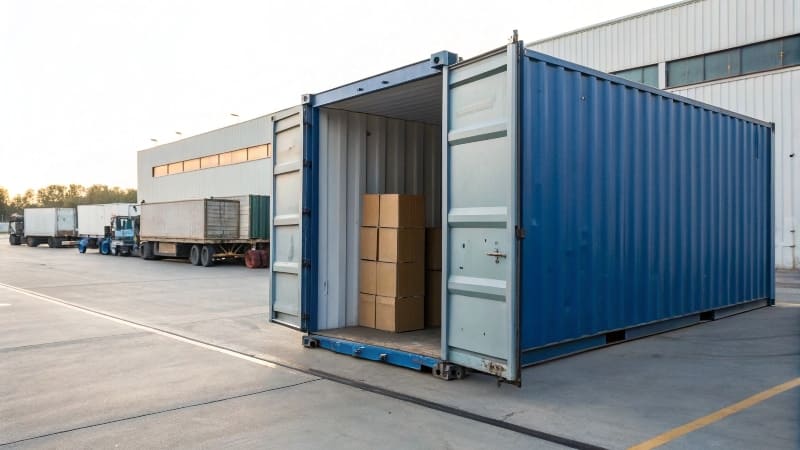
Assessing Container Viability After Mold
Through container inspections, I've developed criteria for determining whether restoration is worthwhile versus replacement.
| Mold Severity | Container Condition | Restoration Approach | Recommended Use |
|---|---|---|---|
| Surface Only | Cosmetic staining | Clean and repaint | General storage, workshops |
| Moderate Penetration | Some metal corrosion | Sand, treat, seal | Non-food storage, equipment |
| Extensive Growth | Structural rust damage | Major restoration needed | Industrial use only |
| Persistent Odor | Deep contamination | Professional remediation | Evaluate cost vs. replacement |
For living spaces or food applications, I recommend starting with containers that have never had mold issues—the certification and health standards make restoration complex and expensive.
Conclusion
Shipping containers can develop mold when moisture gets trapped without ventilation, and sealed conditions often make it worse. However, mold can be effectively removed through proper cleaning, treatment, and repainting. Previously moldy containers can be restored for most applications, though the extent of treatment depends on intended use. The key to prevention lies in controlling moisture and maintaining airflow—turning containers from sealed boxes into properly ventilated spaces.
