




Do Shipping Containers Get Hit by Lightning?
Yes, shipping containers can be struck by lightning, but they are generally safe for occupants and cargo. Their steel construction naturally conducts electricity along the surface and disperses it safely to the ground.
TRUSUS safety insight: the danger looks dramatic, but the science keeps you safe.
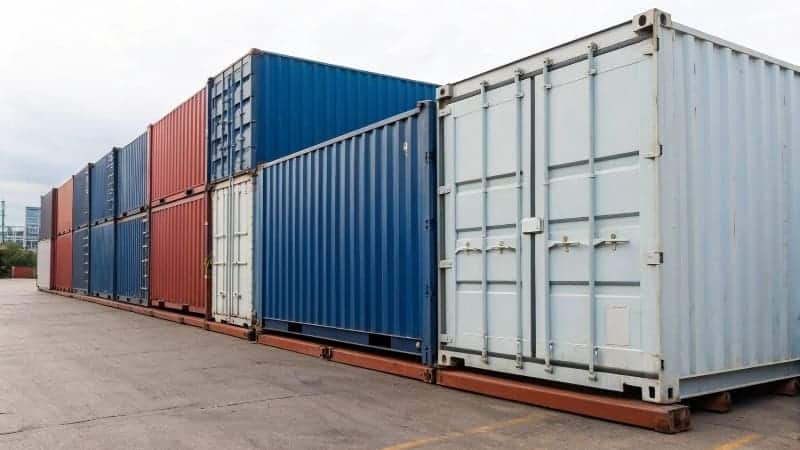
Because a shipping container acts like a Faraday cage, electric current flows around rather than through the interior. This effect protects anyone inside, similar to the metal cabin of an airplane or vehicle.
Lightning Conductivity Overview
| Material | Conductivity | Protection Behavior | Internal Risk Level |
|---|---|---|---|
| Corten Steel (container body) | High | Distributes lightning along surface | Very Low |
| Aluminum Roofing Add‑On | High | Rapid discharge path | Very Low |
| Wooden Modifications | Low | Needs grounding | Moderate |
| Insulated Panels | Moderate | Must be bonded | Low |
Proper grounding and dry surroundings further reduce any residual risk, even during severe thunderstorms.
What Happens When Lightning Hits a Shipping Container?
When lightning strikes, the electric charge travels across the outer steel surface and exits where conductivity is highest—usually at the container’s corners or base in contact with the ground. The interior remains electrically isolated and unharmed.
TRUSUS protection insight: lightning doesn’t break containers—it simply passes around them.
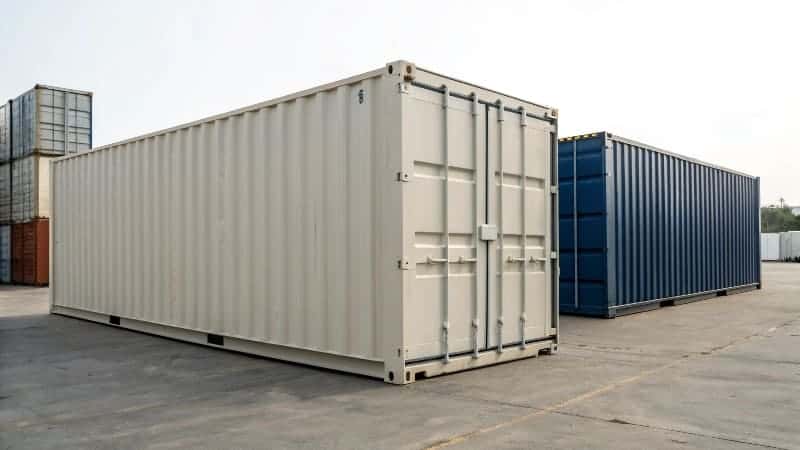
Lightning Path Summary
| Stage | Behavior | Result |
|---|---|---|
| Entry | Strike touches container roof or edge | Instant current spread |
| Flow | Charge travels over steel exterior | Energy distributed outward |
| Exit | Discharge to ground or nearby object | Voltage neutralized |
| Aftermath | No fire, no internal shock | Safe internal environment |
In most cases, the only noticeable effect is a visible mark or discoloration on the exterior coating, not structural damage.
Is It Worth Insulating a Shipping Container?
Yes, insulating is essential for comfortable living or storage use. Steel conducts heat and cold rapidly, so insulation is key to comfort, energy efficiency, and condensation control.
TRUSUS efficiency insight: good insulation doesn’t just keep you warm—it keeps your asset alive.
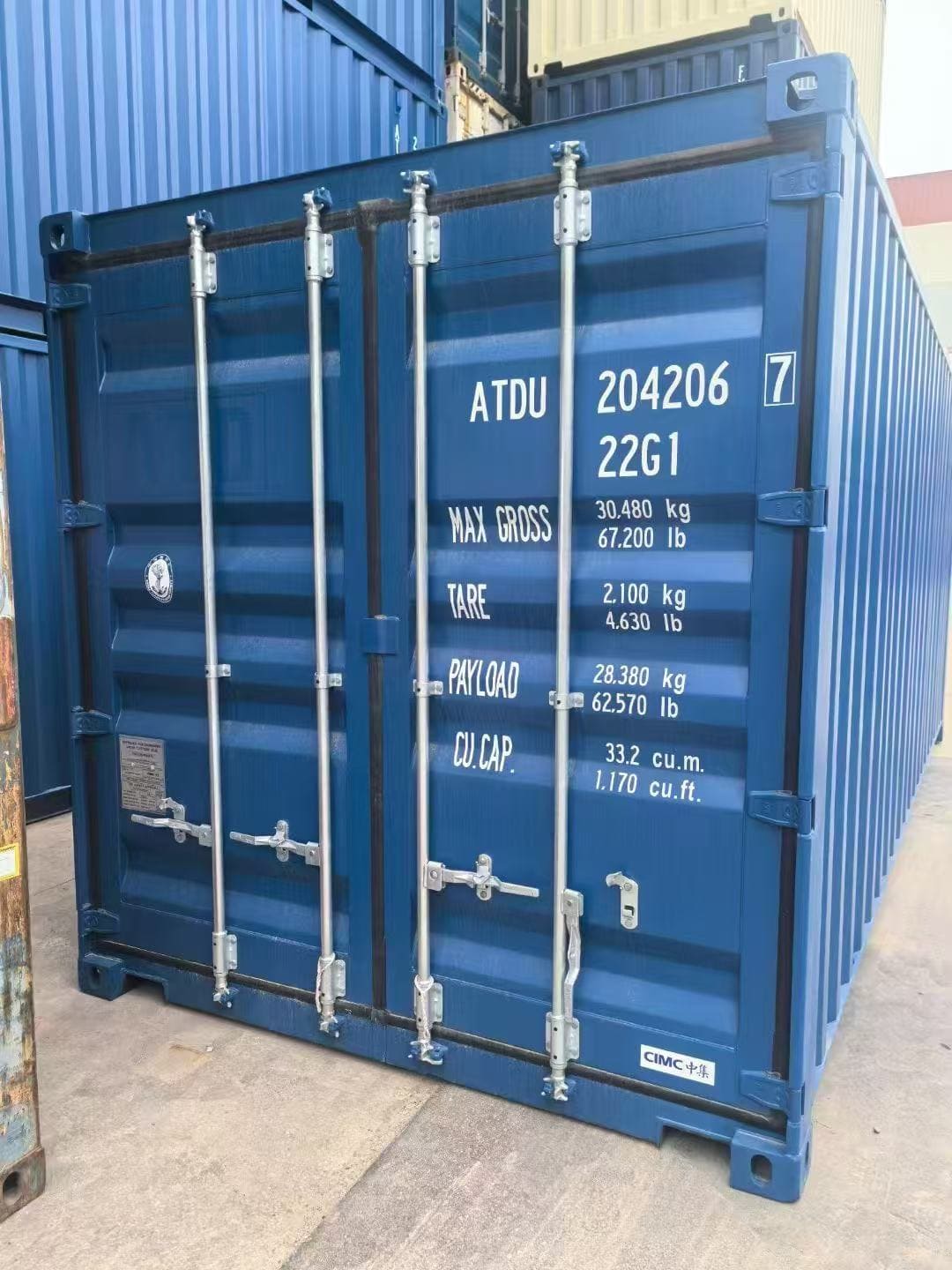
Insulation Options
| Insulation Type | Thermal Resistance | Moisture Control | Installation Ease | Common Usage |
|---|---|---|---|---|
| Polyurethane Spray Foam | High | Excellent | Moderate | Living spaces |
| Rock Wool Panels | High | Good | Easy | Industrial storage |
| PIR Boards | Very High | Excellent | Easy | Roof and ceiling lines |
| Reflective Foil | Medium | Limited | Very Easy | Short‑term storage |
Proper insulation keeps internal temperatures consistent while preventing condensation, which can cause corrosion over time.
How Cold Do Shipping Containers Get?
Uninsulated containers can mirror outside temperatures—they get extremely cold in winter and very hot in summer. Steel rapidly transfers ambient temperature into the interior.
TRUSUS thermal insight: steel remembers the weather—you decide how to control it.
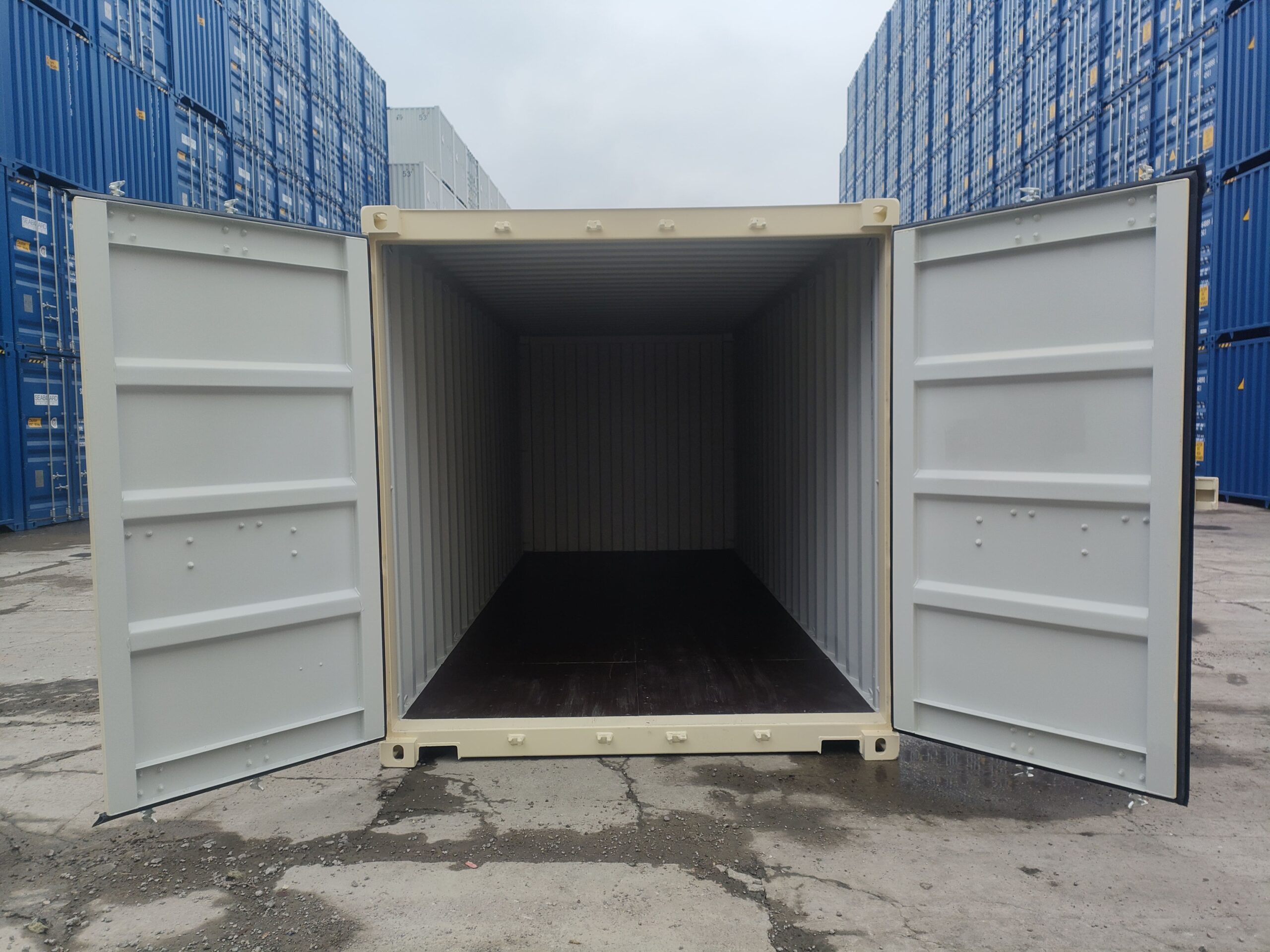
Temperature Behavior Table
| External Temp | Approx. Internal Temp (Uninsulated) | Internal Temp (Insulated) | Comfort Level |
|---|---|---|---|
| −10°C (14°F) | −8°C (17°F) | +15°C (59°F) | Comfortable |
| 0°C (32°F) | 2°C (35°F) | +18°C (64°F) | Stable |
| 35°C (95°F) | 42°C (108°F) | +27°C (81°F) | Safe |
| 45°C (113°F) | 52°C (126°F) | +30°C (86°F) | Controlled |
Insulation, vapor barriers, and ventilation turn containers from mere storage shells into livable, energy‑efficient spaces.
Conclusion
At TRUSUS, I believe that a shipping container’s strength lies not only in its steel but in how we design it for people. With insulation and smart planning, safety meets comfort, turning metal boxes into sustainable spaces.
