




Do I Need a Permit to Have a Container?
Many property owners assume containers can be placed anywhere without permits, leading to costly legal issues and removal orders. Understanding permit requirements prevents violations while ensuring compliant container placement that meets local regulations and zoning restrictions.
Container permits depend on intended use, local zoning laws, and placement duration, with storage containers often requiring permits for permanent placement while temporary uses may have different requirements, and residential conversion always requires building permits.
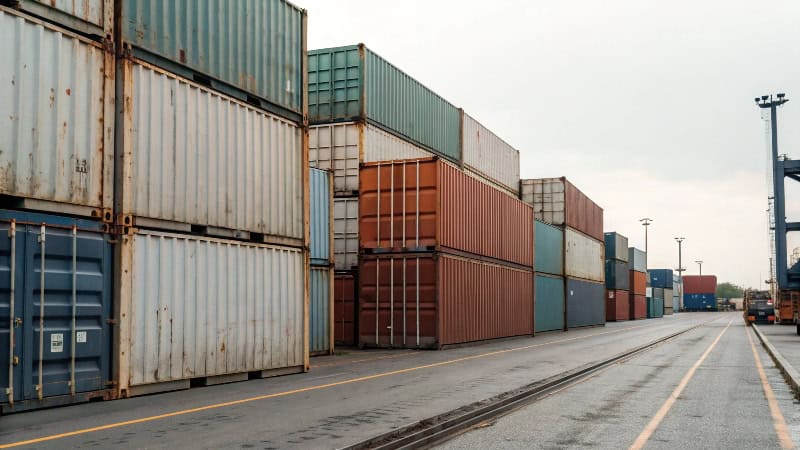
Through decades of container sales and customer compliance issues, I learned that understanding permit requirements early prevents expensive problems while ensuring containers serve their intended purposes within legal frameworks that vary significantly by jurisdiction and application type.
How Much Does a 3 Bedroom Container Home Cost?
Understanding container home costs helps plan realistic budgets for alternative housing projects. Container home pricing involves multiple factors beyond basic container costs including conversion, utilities, permits, and site preparation that significantly affect total project investment.
Three bedroom container home costs typically range from $150,000 to $400,000 depending on design complexity, finishes, location, and site preparation requirements, with basic conversions starting lower while high-end custom homes approaching traditional construction costs.
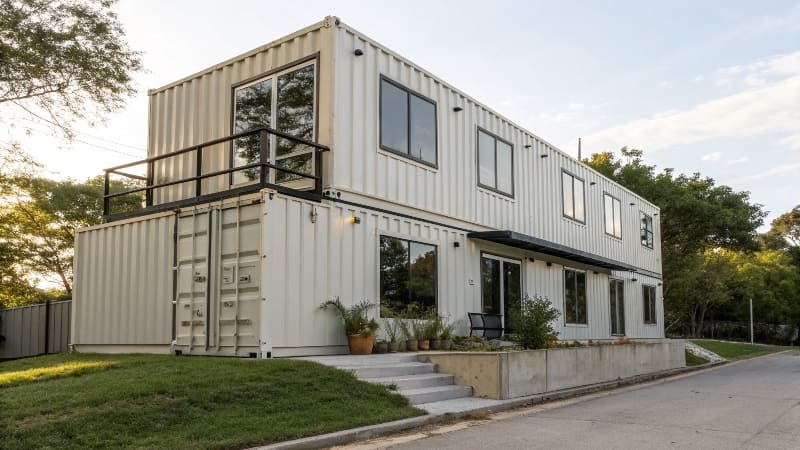
Comprehensive Cost Analysis and Budget Planning Strategies
Container home costs involve complex interactions between container acquisition, conversion work, site preparation, and regulatory compliance that create significant variations in total project investment. During my experience working with container home customers and project failures, I learned that understanding comprehensive costs prevents budget overruns while ensuring realistic project planning.
Container acquisition costs represent the smallest portion of total project expense with used containers ranging from $3,000 to $8,000 while new containers cost $6,000 to $12,000 depending on size and condition. Multiple containers for three-bedroom designs increase basic material costs while container condition affects conversion requirements and overall expenses.
Conversion costs typically represent 60-80% of total project investment including structural modifications, insulation, electrical, plumbing, and interior finishing that transform containers into livable spaces. Professional conversion work ensures code compliance while DIY approaches may reduce labor costs but require significant skills and time investment.
Site preparation expenses vary dramatically by location and soil conditions including foundation work, utility connections, access roads, and drainage systems that support container home installations. Remote locations or challenging site conditions can significantly increase preparation costs while affecting project feasibility and timeline.
Permit and regulatory costs depend on local jurisdiction requirements and may include building permits, architectural drawings, engineering reports, and inspection fees that ensure code compliance. Complex regulatory environments increase costs while some jurisdictions may prohibit container homes entirely, affecting project viability.
Design complexity significantly affects costs with simple rectangular layouts minimizing structural modifications while complex multi-level or extensively modified designs requiring extensive engineering and construction work. Custom architectural features, large window openings, and complex floor plans increase conversion complexity and associated costs.
Utility connections including electrical service, water supply, sewer systems, and internet access require professional installation and may involve significant infrastructure development costs. Off-grid systems may reduce utility connection costs while increasing equipment and maintenance expenses for alternative energy and water systems.
Finish quality choices dramatically affect total costs with basic finishes keeping expenses moderate while high-end materials and appliances approaching luxury home cost levels. Finish selections should balance budget constraints with desired quality levels while considering long-term maintenance and resale implications.
Professional services including architects, engineers, contractors, and project managers ensure quality results while adding to project costs. Professional involvement may be required for permit approval while reducing construction risks and ensuring code compliance throughout the project.
Financing challenges may limit container home projects since traditional mortgage lenders often avoid alternative construction methods. Cash purchases or alternative financing may be required while affecting project feasibility and increasing financing costs compared to traditional home purchases.
Geographic variations create significant cost differences with urban areas typically having higher costs while rural locations may offer lower construction costs but higher infrastructure development expenses. Regional building codes, contractor availability, and material costs affect total project investment significantly.
| Cost Category | Typical Range | Percentage of Total | Key Variables |
|---|---|---|---|
| Container acquisition | $10,000-30,000 | 5-15% | Number, size, condition |
| Structural conversion | $40,000-120,000 | 30-50% | Design complexity, modifications |
| Site preparation | $15,000-60,000 | 10-25% | Location, utilities, access |
| Permits and professional fees | $5,000-25,000 | 3-10% | Jurisdiction requirements |
| Interior finishing | $30,000-100,000 | 20-40% | Quality level, custom features |
| Utility connections | $10,000-40,000 | 5-15% | Infrastructure requirements |
| Contingency | $15,000-60,000 | 10-20% | Project complexity, unknowns |
How Much Does Container Ownership Cost?
Understanding total ownership costs helps make informed container investment decisions. Container ownership involves initial purchase, ongoing maintenance, insurance, and potential relocation expenses that affect long-term cost considerations and investment returns.
Container ownership costs include initial purchase prices ranging from $2,000-12,000, ongoing maintenance averaging $200-800 annually, insurance costs, potential relocation expenses, and depreciation factors that vary by container condition, use, and market conditions.
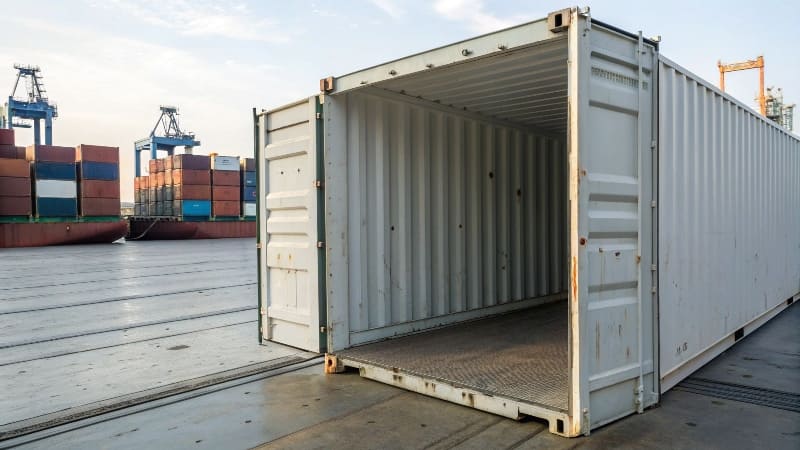
Complete Ownership Analysis and Investment Considerations
Container ownership costs extend beyond initial purchase to include ongoing expenses and considerations that affect total investment returns and long-term viability. During my experience working with container buyers and tracking ownership experiences, I learned that understanding comprehensive costs helps optimize container investments while preventing unexpected expenses.
Purchase costs vary significantly by container type, condition, and market availability with used containers offering lower initial costs while new containers provide longer service life and warranty protection. Market conditions affect pricing with high demand periods increasing costs while oversupply situations creating buying opportunities.
Maintenance requirements include regular inspection, rust prevention, structural repairs, and component replacement that maintain container condition and extend service life. Proper maintenance prevents expensive repairs while neglect leads to rapid deterioration and potential safety hazards that compromise container value and usability.
Insurance considerations may include coverage for container contents, liability protection, and property damage that protects ownership investments. Insurance availability and costs vary by container use, location, and coverage requirements while some uses may require specialized coverage or higher premiums.
Transportation costs for container relocation include trucking, crane services, and permit fees that vary by distance, access requirements, and local regulations. Container moves require professional services and equipment that add significant costs to ownership while affecting container placement flexibility.
Storage expenses when containers are not actively used include lot rental, security measures, and maintenance access that maintain container condition while generating ongoing costs. Long-term storage strategies should consider cost minimization while ensuring container accessibility and condition preservation.
Regulatory compliance costs may include permits, inspections, and modifications required for specific uses or locations that affect container deployment and ongoing operations. Changing regulations may require container modifications or relocation that add unexpected costs to ownership experiences.
Depreciation factors affect container resale value through age, condition, market demand, and technological changes that influence container investment returns. Understanding depreciation helps plan ownership duration and exit strategies while optimizing investment returns through proper timing and condition maintenance.
Opportunity costs consider alternative investments and uses for capital invested in container ownership that may provide better returns or utility. Container ownership should be evaluated against other investment options while considering specific use requirements and personal preferences.
Modification costs for specialized applications including electrical installation, insulation, ventilation, or structural changes that adapt containers for specific uses. Modifications may increase utility while affecting resale value and requiring ongoing maintenance considerations.
End-of-life disposal costs eventually become necessary when containers reach the end of useful service life and require responsible disposal or recycling. Planning for disposal costs helps complete ownership cost analysis while ensuring environmentally responsible container retirement.
| Ownership Cost Factor | Annual Impact | Cost Range | Mitigation Strategies |
|---|---|---|---|
| Maintenance | Ongoing | $200-800/year | Regular inspection, preventive care |
| Insurance | Ongoing | $100-500/year | Shop coverage, risk reduction |
| Storage/placement | Ongoing | $0-2,400/year | Efficient placement, multi-use |
| Transportation | Occasional | $500-3,000/move | Strategic placement, minimize moves |
| Regulatory compliance | Variable | $0-5,000 | Research requirements, proper permits |
| Modifications | One-time | $1,000-50,000 | Plan modifications, quality work |
| Depreciation | Ongoing | 5-15%/year | Proper maintenance, strategic timing |
Can I Put a Container on My Land?
Understanding land use regulations helps ensure legal container placement while avoiding costly violations. Container placement on private property involves zoning restrictions, building codes, and permit requirements that vary significantly by jurisdiction and intended use.
Container placement on private land typically requires permits and compliance with local zoning laws, building codes, and homeowner association restrictions, with requirements varying by intended use, placement duration, and local regulations that may prohibit or restrict container placement.
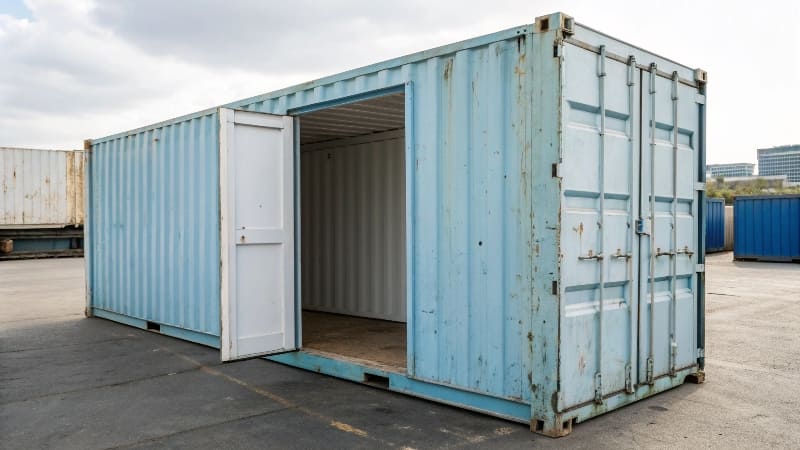
Regulatory Analysis and Compliance Strategies for Container Placement
Container placement on private property involves navigating complex regulatory frameworks that vary significantly by jurisdiction and intended use. During my experience working with customers facing placement challenges and regulatory issues, I learned that understanding local requirements prevents costly violations while ensuring successful container deployment.
Zoning regulations represent the primary legal consideration for container placement with different zones allowing different uses and structures. Residential zones typically have stricter requirements while commercial or agricultural zones may offer more flexibility for container placement and use.
Building code compliance affects containers used for occupancy, storage of hazardous materials, or permanent installation that requires structural, electrical, and safety features meeting local construction standards. Temporary storage may have different requirements than permanent installations or habitable structures.
Permit requirements vary by jurisdiction and intended use with some areas requiring permits for any container placement while others exempt temporary or small storage containers. Understanding local permit requirements prevents violations while ensuring legal container deployment.
Homeowner association restrictions in planned communities may prohibit or restrict container placement regardless of local government regulations. HOA covenants typically supersede local zoning for aesthetic and community standard considerations that affect container placement options.
Setback requirements determine minimum distances from property lines, buildings, and easements that affect container placement options and site planning. Understanding setback requirements helps optimize container placement while ensuring regulatory compliance.
Utility considerations include proximity to electrical service, water supply, and sewer systems that may be required for container applications. Utility access affects placement options while utility installation may require additional permits and professional services.
Neighbor considerations include visual impact, noise generation, and property value effects that may create conflicts even when container placement complies with regulations. Good neighbor relations help prevent complaints while ensuring community acceptance of container installations.
Environmental restrictions may limit container placement in flood zones, wetlands, or environmentally sensitive areas through federal, state, or local regulations. Environmental compliance prevents legal issues while protecting natural resources and avoiding costly remediation requirements.
Access requirements for container delivery, maintenance, and potential removal affect placement location and site preparation needs. Adequate access prevents delivery problems while ensuring container serviceability throughout its deployment period.
Future flexibility considerations include potential regulation changes, property sale implications, and container relocation needs that affect placement decisions. Planning for future scenarios helps optimize container deployment while maintaining flexibility for changing circumstances.
| Regulatory Factor | Compliance Difficulty | Typical Restrictions | Research Strategy |
|---|---|---|---|
| Zoning regulations | Moderate-High | Use limitations, placement restrictions | Contact local planning department |
| Building codes | High | Safety, structural, occupancy requirements | Consult building officials |
| Permit requirements | Variable | Application, fees, inspection | Check local permit office |
| HOA restrictions | Variable | Aesthetic, community standards | Review HOA documents |
| Setback requirements | Low-Moderate | Distance from boundaries | Check zoning maps |
| Environmental restrictions | Moderate | Sensitive area protections | Environmental agency consultation |
| Utility access | Low-Moderate | Service availability, connections | Utility company consultation |
| Neighbor concerns | Variable | Community acceptance | Direct communication |
Conclusion
Container placement requires permits based on local zoning and use requirements, three-bedroom container homes typically cost $150,000-400,000, container ownership involves ongoing maintenance and regulatory costs, and land placement depends on zoning compliance, permits, and local restrictions requiring careful regulatory research.
