




Do Container Ships Avoid Storms?
Modern container ships do avoid major storms when possible. They use real-time weather tracking, satellite guidance, and route adjustments to steer around dangerous areas. However, shipping routes often cross turbulent seas, so the ship and containers must be designed to survive rough conditions.
insight: storm avoidance reduces risk; design absorbs what avoidance cannot.
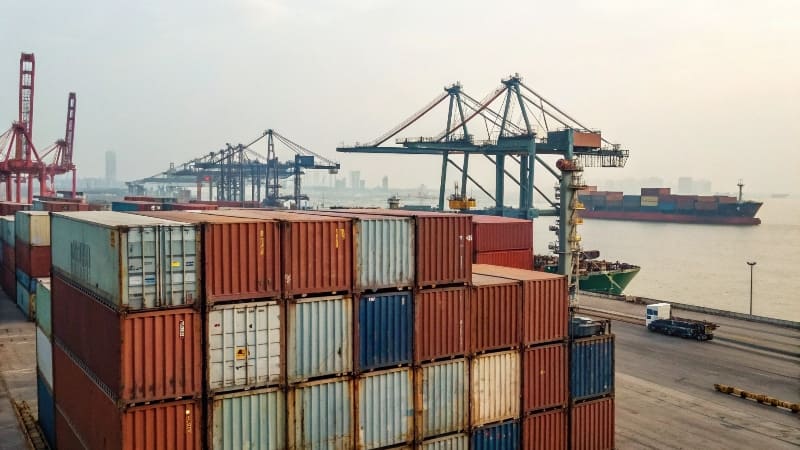
Even when avoidance is impossible, the vessel’s design lets it handle extreme wind and waves by distributing stress across hull and cargo systems built for continuous motion.
How Stable Are Container Ships?
Container ships are extremely stable due to advanced hull engineering and standardized container locking systems. Their balance depends on even cargo loading and deep hull ballast that counters wind and wave forces.
TRUSUS system insight: stability is never luck—it is design logic.
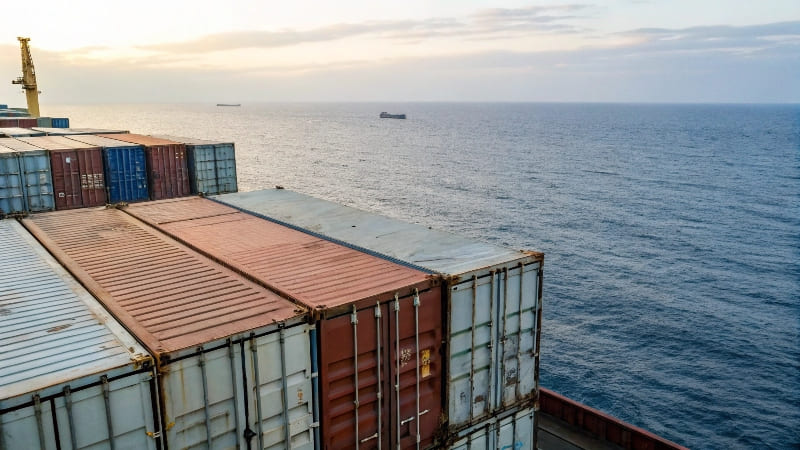
Stability in Transport and Reuse
| Application | Stability Function |
|---|---|
| Ocean freight | Protects cargo under dynamic load |
| Land storage | Structural reliability proven by sea tests |
| Building modules | Reused containers inherit engineered rigidity |
Each box on deck adds to the overall mass and acts as part of a synchronized system of balance and tension.
Do Shipping Containers Flood?
Shipping containers themselves are watertight under rain and splashes, but they can flood only if seals fail or condensation builds up inside. Sea conditions may expose containers to heavy saltwater, but proper gasket and corner sealing prevents water entry.
protection insight: flooding comes from failure, not from the sea itself.
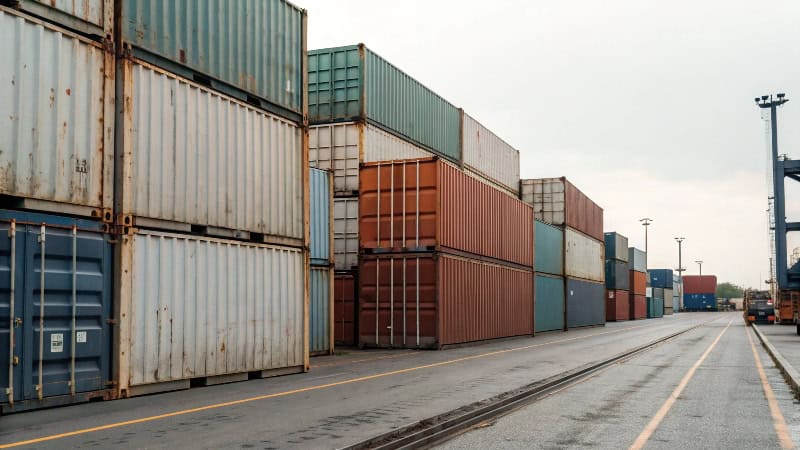
Container Flood Risk Table
| Situation | Cause | Prevention |
|---|---|---|
| Damaged door seals | Aging rubber or impact deformation | Replace gaskets |
| Long humidity exposure | Moist air condensation | Use vents or desiccants |
| Immersion in extreme conditions | Submerged by waves | Regular inspection and certification |
| Poor stacking drainage | Blocked rain drains | Maintain deck cleanliness |
Maintenance Logic
| Step | Result |
|---|---|
| Monthly inspection | Detect leaks early |
| Use ventilated units | Balance humidity |
| Store containers elevated | Reduce splash contact |
| Apply corrosion coat | Protect edges and weld points |
Flood prevention is as much about maintenance planning as physical sealing.
How Long Does It Take to Unload a 20,000 Container Ship?
Unloading a 20,000-container ship takes around 24 to 48 hours at a fully equipped port, depending on crane speed and berth technology. Automation and synchronized logistics allow simultaneous unloading and stacking operations.
operation insight: precision replaces speed; coordination ensures safety.
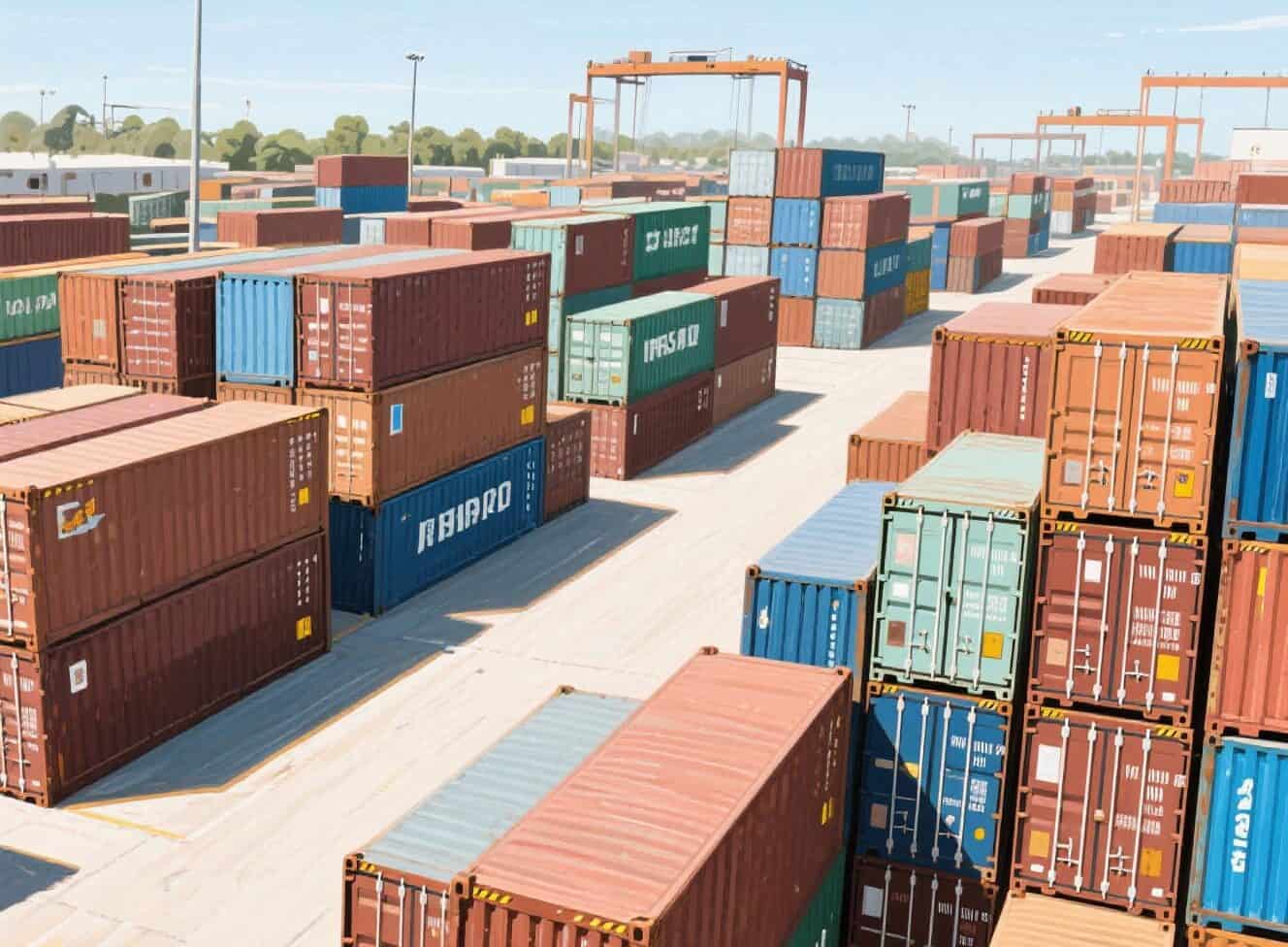
Port Unloading Efficiency Table
| Port Type | Cranes in Operation | Average Time |
|---|---|---|
| Regular terminal | 6–8 | 48–72 hours |
| Automated terminal | 12–16 | 24–36 hours |
| Smart logistic port | 20+ robotic units | Under 24 hours |
Unloading Sequence Overview
| Stage | Action | Goal |
|---|---|---|
| Container release | Unlock twist locks | Prepare stacks |
| Crane lift | Move to yard position | Keep rhythm stable |
| Stack transfer | Position by destination | Organize layout |
| Data logging | Update cargo system | Avoid mix-ups |
Loading and unloading are controlled by software that distributes work evenly across cranes, ensuring balanced effort rather than rushed output.
Conclusion
Container ships face storms, but their systems are built for them. Stable by design, each container becomes part of a tested network of engineering reliability. TRUSUS believes this resilience defines more than maritime safety—it defines asset durability proven by the storm itself.
