




Can You Weld on a Shipping Container?
Yes, you can weld on a shipping container—but every weld changes its structural logic. Once welded, it stops being a transport unit and becomes a permanent structure.
TRUSUS fabrication insight: welding means transformation, not just attachment.
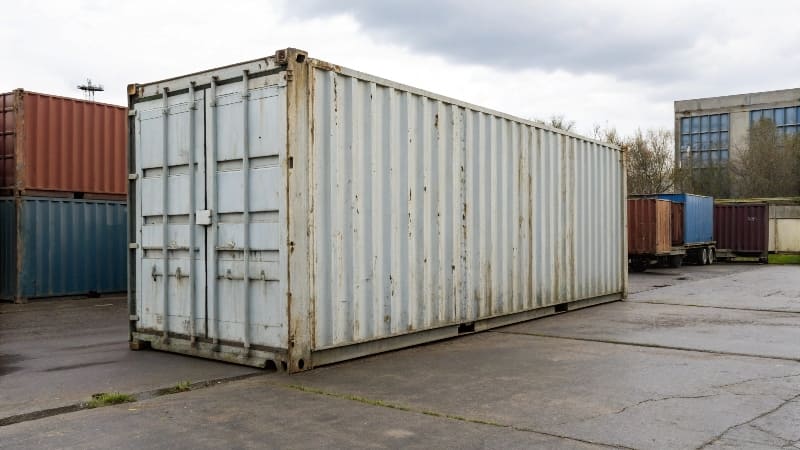
Shipping containers are built for stacking and locking, not fixed joining. Welding alters how loads distribute through corner castings and panels. Proper preparation and post‑weld coating are critical to keep strength and corrosion resistance balanced.
Do Shipping Containers Come Apart?
Standard shipping containers are not designed to come apart easily. Their frame and panels are permanently welded at manufacture.
TRUSUS modular insight: containers are joined by standardization, not meant to disassemble piece by piece.
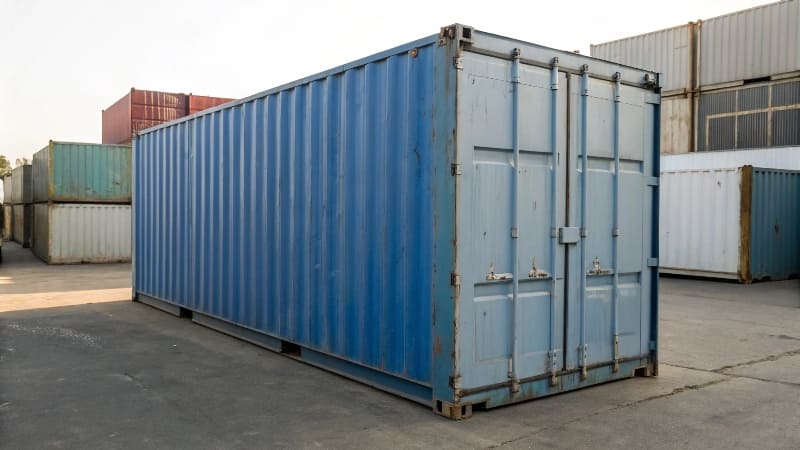
Disassembly Overview
| Part | Original Connection | Typical Modification Method | Difficulty |
|---|---|---|---|
| Corner posts | Welded to base & roof frame | Cutting torch + reinforcement | High |
| Wall panels | Spot welded | Grinder or plasma cut | Medium |
| Floor frame | Bolted or welded | Cut‑off at joint | High |
| Roof deck | Welded ribs | Remove by plasma or saw | High |
When I first attempted to separate two containers, I learned it was less “unscrewing” and more “engineering surgery.” Each cut demanded later reinforcement. That’s when I realized dismantling means redesigning.
Can You Weld Shipping Containers Together?
Yes, they can be welded together for larger structures such as offices or homes. However, proper alignment, load calculation, and seal protection must follow building codes.
TRUSUS structural insight: joining containers is building, not stacking.
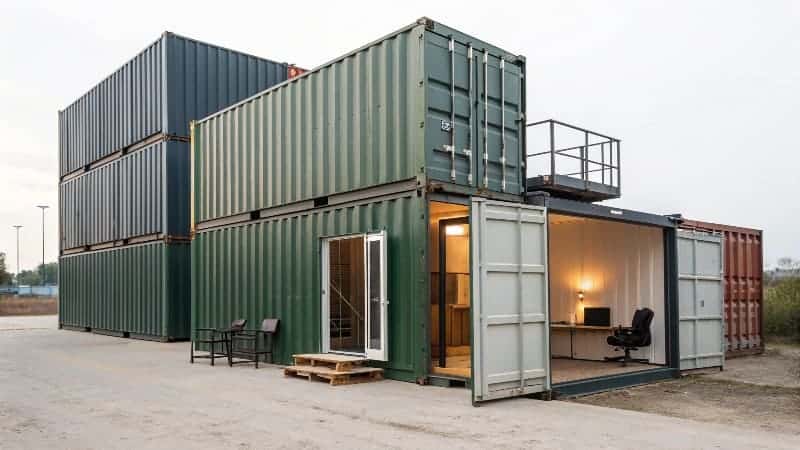
Welding Connection Planning
| Stage | Key Task | Purpose |
|---|---|---|
| Site alignment | Level base foundation | Prevent stress distortion |
| Junction weld | Corner‑to‑corner & floor beams | Maintain load continuity |
| Seal restoration | Apply anti‑corrosion primer | Protect weld heat zone |
| Inspection | Evaluate structural balance | Ensure safety and longevity |
I remember welding two units for a client’s pop‑up café. After the first rain, joints rusted quickly because coatings weren’t restored. Now we treat every weld as a new piece of metal that must be protected immediately.
What Steel Are 40‑Foot Containers Made Of?
Most 40‑foot containers use Corten steel, also known as weathering steel. It resists corrosion by forming a stable protective oxide layer under open air.
TRUSUS material insight: Corten protects itself—but only in breathing air, not trapped moisture.
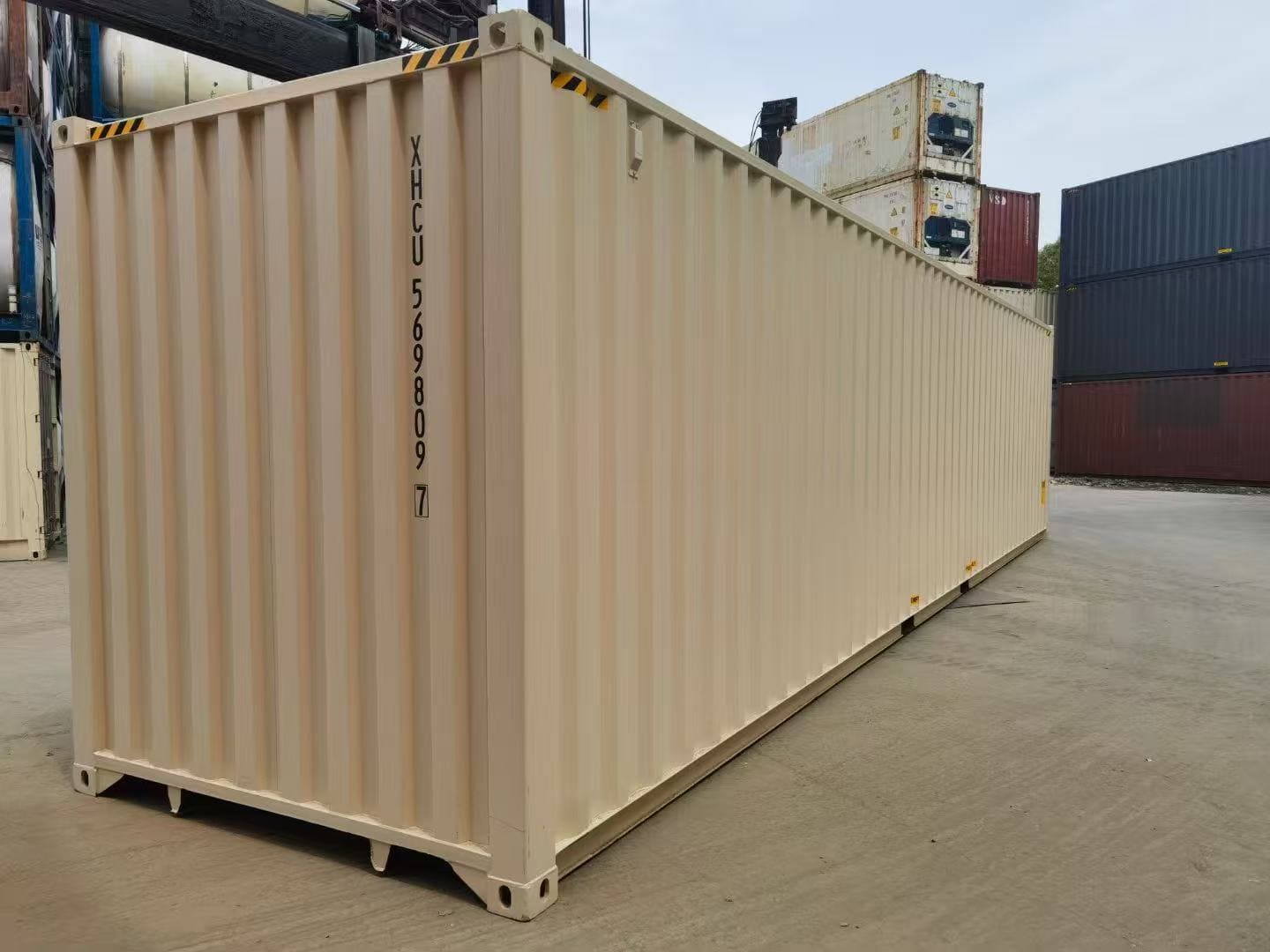
Steel Composition Overview
| Steel Type | Key Elements | Function |
|---|---|---|
| Corten (Weathering steel) | Fe + Cr + Cu + Ni | Creates protective rust film |
| Mild carbon steel (limited parts) | Fe + C | Lower cost, non‑weathering |
| Stainless inserts (select fittings) | Fe + Cr | Local corrosion protection |
Once you weld or cut the Corten surface, that protective layer disappears. The weld zone must be cleaned and repainted with anti‑corrosion primer. Without it, rust spreads fast from those heat‑affected spots. That’s why understanding steel chemistry matters as much as welding skill.
Conclusion
From my experience at TRUSUS, every weld, cut, or connection on a shipping container is both creative and structural. When treated with care and engineering discipline, these boxes evolve from logistics devices into lasting building modules.
