




Can You Stack a 20ft Container on a 40ft?
Yes, you can stack a 20ft container on a 40ft, as long as both have standard ISO corner castings aligned through twist locks or stacking cones. The structural load transfers through corner posts, not the side walls.
TRUSUS structural insight: stacking depends on engineering precision, not surface area.
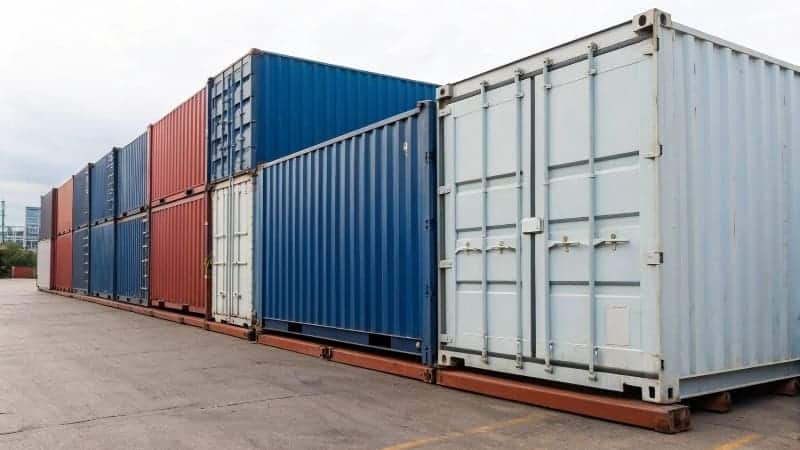
The key is alignment — even if the base container is longer, the corner fittings must sit directly above the lower frame’s corners. Using locking devices ensures stability.
Is It Safe to Stack Shipping Containers?
Yes, it is safe when done according to ISO standards, using twist locks and level ground. Containers are built to handle stacking loads — each corner post can bear up to 192,000 kg when loaded vertically.
safety insight: safety isn’t about height; it’s about alignment and distribution.
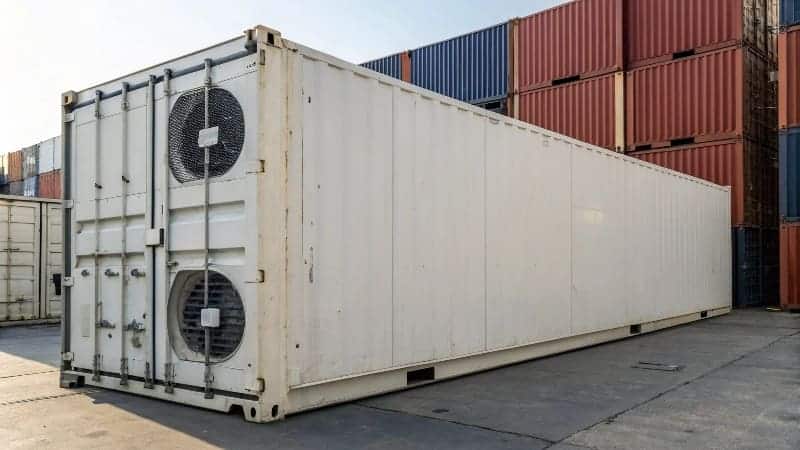
Safety Requirement Table
| Parameter | Description | Importance |
|---|---|---|
| Corner Alignment | Top and bottom castings line up | Prevents uneven stress |
| Twist Locks Installed | Secures containers | Stops sliding or lift-off |
| Level Base | Even load distribution | Prevents leaning stack |
| Weight Order | Heavier on bottom | Stability under wind loads |
| Structural Integrity | No rust or bent frames | Maintains load capacity |
When every structural and locking element is verified, stacking remains completely secure for transport or static applications.
How High Can You Safely Stack Shipping Containers?
In port operations, containers can be safely stacked up to 6–8 levels high, depending on wind exposure, foundation strength, and load condition. In building or storage uses, a maximum of 4 levels is recommended for reinforced safety.
engineering insight: height capacity comes from corner posts, not surface panels.
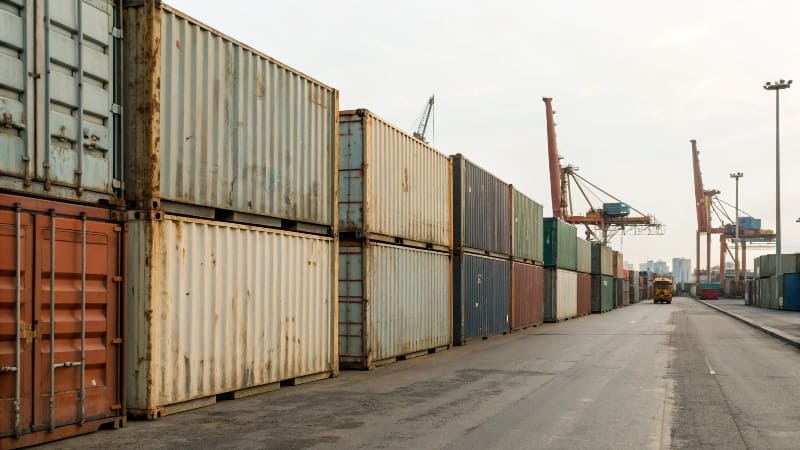
Stacking Height Guide
| Use Case | Max Stacking Height | Condition |
|---|---|---|
| Shipping Port (Loaded) | 6–8 Containers | Certified twist-lock use |
| Ship Decks | 7–9 Containers | Controlled by vessel plan |
| Storage Yard | 4 Containers | On concrete base |
| Construction Modules | 3–4 Containers | Requires load assessment |
| Light Use or Display | 2 Containers | Minimal structural risk |
Safety margins should always consider local wind pressure and soil support strength for non-port use.
What Is the Best Way to Stack Shipping Containers?
The best way is to use twist locks between every container corner, align frames vertically, and ensure level footings. Heavier boxes go at the bottom, damaged units stay out of the stack, and inspection is done for locking tightness before adding another level.
reliability insight: a stable stack is built from simple rules applied with care.
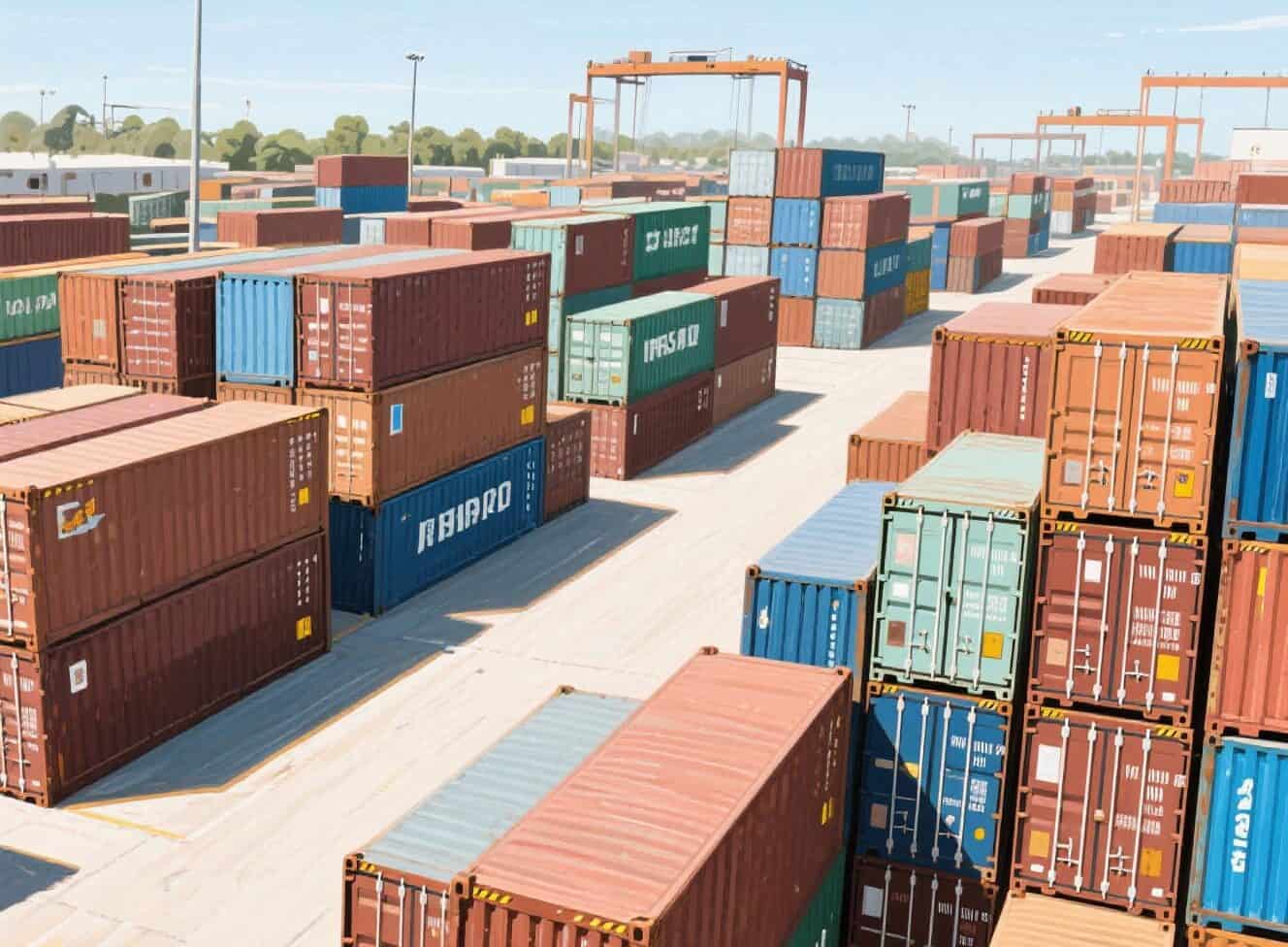
Recommended Stacking Procedure
| Step | Task | Purpose |
|---|---|---|
| 1 | Inspect container condition | Confirm no structural damage |
| 2 | Prepare level foundation | Guarantee even weight support |
| 3 | Position lower container | Align by corner castings |
| 4 | Install twist locks or cones | Secure upper to lower container |
| 5 | Lift next container carefully | Avoid frame impact |
| 6 | Lock and check alignment | Maintain vertical load path |
| 7 | Repeat with reduced height | Preserve stability ratio |
Following this systematic order keeps both personnel and property safe during stacking, shipping, or modular structure building.
Conclusion
At TRUSUS, I see container stacking as more than piling units — it is trust in engineering precision. The alignment of steel frames, the logic of load paths, and the discipline of sequence turn stacking from risk into reliability. When stacked correctly, containers form not only a vertical system of trade but also the foundation of modular design’s future.
