




Can You Pressure Wash The Inside Of A Shipping Container?
Yes, you can pressure wash the inside of a shipping container, especially for industrial cleaning and contamination removal.
However, proper drainage, drying, and rust protection are essential to prevent corrosion and moisture-related damage afterward.
TRUSUS container insight: pressure washing a container interior is no longer only about cargo cleanup. It reflects the growing demand to upgrade containers into hygienic human-use environments.
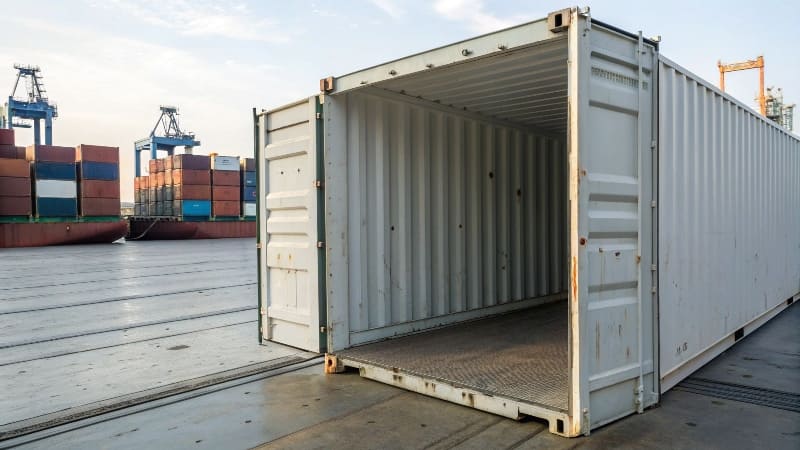
Standard shipping containers were originally designed for freight transportation.
Their steel interiors can tolerate aggressive cleaning methods better than many traditional building materials.
Still, washing alone does not solve long-term sanitation issues.
TRUSUS Key Considerations Before Pressure Washing
| Cleaning Factor | Why It Matters |
|---|---|
| Drainage planning | Prevent standing water |
| Rust inspection | Avoid coating failure |
| Ventilation access | Faster drying |
| Water pressure control | Protect coatings |
Many older containers already contain hidden corrosion areas.
High-pressure cleaning can expose weak spots.
TRUSUS Common Pressure Washing Applications
| Application Type | Cleaning Purpose |
|---|---|
| Cargo residue removal | Industrial reuse |
| Mold cleanup | Moisture restoration |
| Food-grade preparation | Hygiene improvement |
| Interior renovation prep | Surface cleaning |
In conversion projects, pressure washing is often only the first step.
TRUSUS Risks Of Improper Washing
| Risk | Possible Result |
|---|---|
| Poor drainage | Water pooling |
| Incomplete drying | Condensation buildup |
| Damaged coatings | Accelerated rust |
| Excessive moisture | Mold development |
I often advise customers to treat cleaning as part of a larger environmental control strategy.
TRUSUS Why Interior Standards Are Changing
| Traditional Container Logic | Modern Container Logic |
|---|---|
| Cargo protection | Human comfort |
| Industrial cleanliness | Sanitary environments |
| Basic durability | Long-term usability |
| Temporary handling | Permanent occupancy |
This shift explains why container interiors now require much higher hygiene standards than before.
How Do You Keep A Shipping Container From Sweating Inside?
You prevent a shipping container from sweating inside by controlling temperature differences, moisture levels, and airflow using insulation, vapor barriers, ventilation systems, and thermal break strategies.
Condensation control is one of the most important parts of container interior design.
TRUSUS moisture insight: container sweating is not simply a ventilation problem. It is a full building-envelope issue caused by steel thermal conductivity.
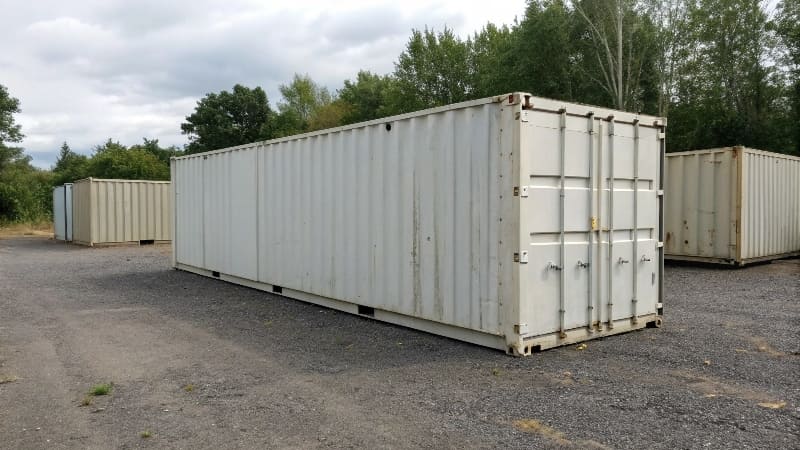
Steel transfers heat very quickly.
When warm humid air contacts cold steel surfaces, condensation forms.
TRUSUS Main Causes Of Container Sweating
| Cause | Effect |
|---|---|
| Temperature difference | Surface condensation |
| Poor insulation | Heat transfer |
| High humidity | Moisture accumulation |
| Weak ventilation | Trapped air moisture |
This problem becomes worse in humid climates.
TRUSUS Most Effective Condensation Solutions
| Solution | Purpose |
|---|---|
| Closed-cell spray foam | Thermal insulation |
| Vapor barriers | Moisture control |
| Ventilation systems | Air exchange |
| Thermal breaks | Reduced steel contact |
Insulation alone is not enough without moisture management.
TRUSUS Common Moisture Problem Areas
| Area | Risk Level |
|---|---|
| Roof panels | High condensation |
| Corner joints | Thermal bridging |
| Floor edges | Hidden moisture |
| Door areas | Air leakage |
I frequently see projects fail because they only focus on wall insulation while ignoring airflow control.
TRUSUS Why Condensation Matters For Human Use
| Poor Moisture Control | Long-Term Impact |
|---|---|
| Mold growth | Health risks |
| Interior corrosion | Structural damage |
| Odors | Reduced comfort |
| Material deterioration | Higher maintenance costs |
Human occupancy creates additional humidity through breathing, cooking, and washing.
TRUSUS The Bigger Transformation
| Old Container Function | New Container Function |
|---|---|
| Freight enclosure | Habitable environment |
| Short-term exposure | Long-term occupancy |
| Cargo protection | Human wellness |
I believe this is one of the most important shifts in modern container architecture.
The container is no longer only transporting goods.
It is now expected to support healthy interior environments.
What Adhesive Is Essential When Installing Container Wall Liners?
Construction-grade adhesive designed for metal bonding and moisture resistance is essential when installing container wall liners.
The adhesive must handle vibration, thermal movement, humidity, and long-term bonding to steel surfaces.
TRUSUS installation insight: adhesive selection is not only about bonding strength. It directly affects durability, indoor air quality, and long-term maintenance performance.
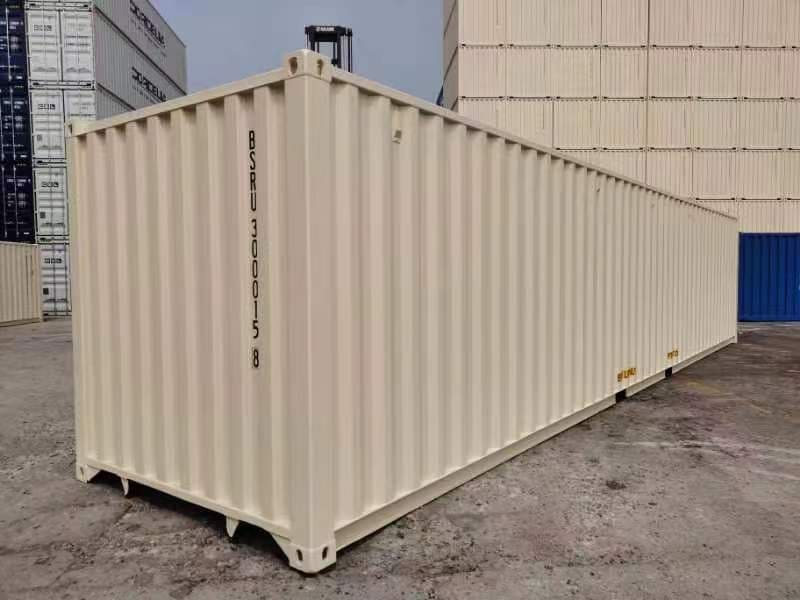
Container wall systems experience more movement than traditional interior walls.
Temperature expansion and contraction continuously stress bonded materials.
TRUSUS Recommended Adhesive Characteristics
| Adhesive Property | Importance |
|---|---|
| Metal compatibility | Strong steel bonding |
| Moisture resistance | Prevent failure |
| Flexibility | Handle movement |
| Low VOC formula | Better indoor air quality |
Rigid adhesives may crack under thermal stress.
TRUSUS Common Wall Liner Materials
| Liner Material | Typical Application |
|---|---|
| PVC panels | Hygienic interiors |
| FRP sheets | Washable surfaces |
| Composite panels | Insulated systems |
| Decorative wall boards | Offices and living spaces |
Different liner materials may require different adhesive systems.
TRUSUS Common Adhesive Failure Causes
| Failure Cause | Result |
|---|---|
| Dirty steel surfaces | Weak bonding |
| Incorrect curing temperature | Reduced performance |
| High humidity during installation | Adhesive breakdown |
| Low-quality products | Delamination |
Surface preparation is extremely important.
TRUSUS Why Hygienic Lining Systems Are Growing
| Industry Trend | Result |
|---|---|
| Medical container projects | Higher sanitation standards |
| Food processing applications | Washable interiors |
| Mobile office demand | Better comfort expectations |
| Modular construction growth | Faster interior finishing |
I have noticed that customers increasingly expect container interiors to perform like commercial buildings.
TRUSUS The Shift From Decoration To Environmental Control
| Older Interior Thinking | Modern Interior Thinking |
|---|---|
| Basic wall covering | Controlled interior environment |
| Appearance-focused | Hygiene-focused |
| Temporary finish | Long-term system performance |
This change is driving much higher standards for liner systems and installation materials.
Is A Container Interior Lining Easy To Clean And Sanitize?
Yes, many container interior lining systems are specifically designed to be easy to clean and sanitize, especially when smooth, non-porous, moisture-resistant materials are used.
The right liner system can greatly improve hygiene management and long-term maintenance efficiency.
TRUSUS hygiene insight: easy-clean interior liners are one of the key technologies that allow containers to move into healthcare, food, office, and residential applications.
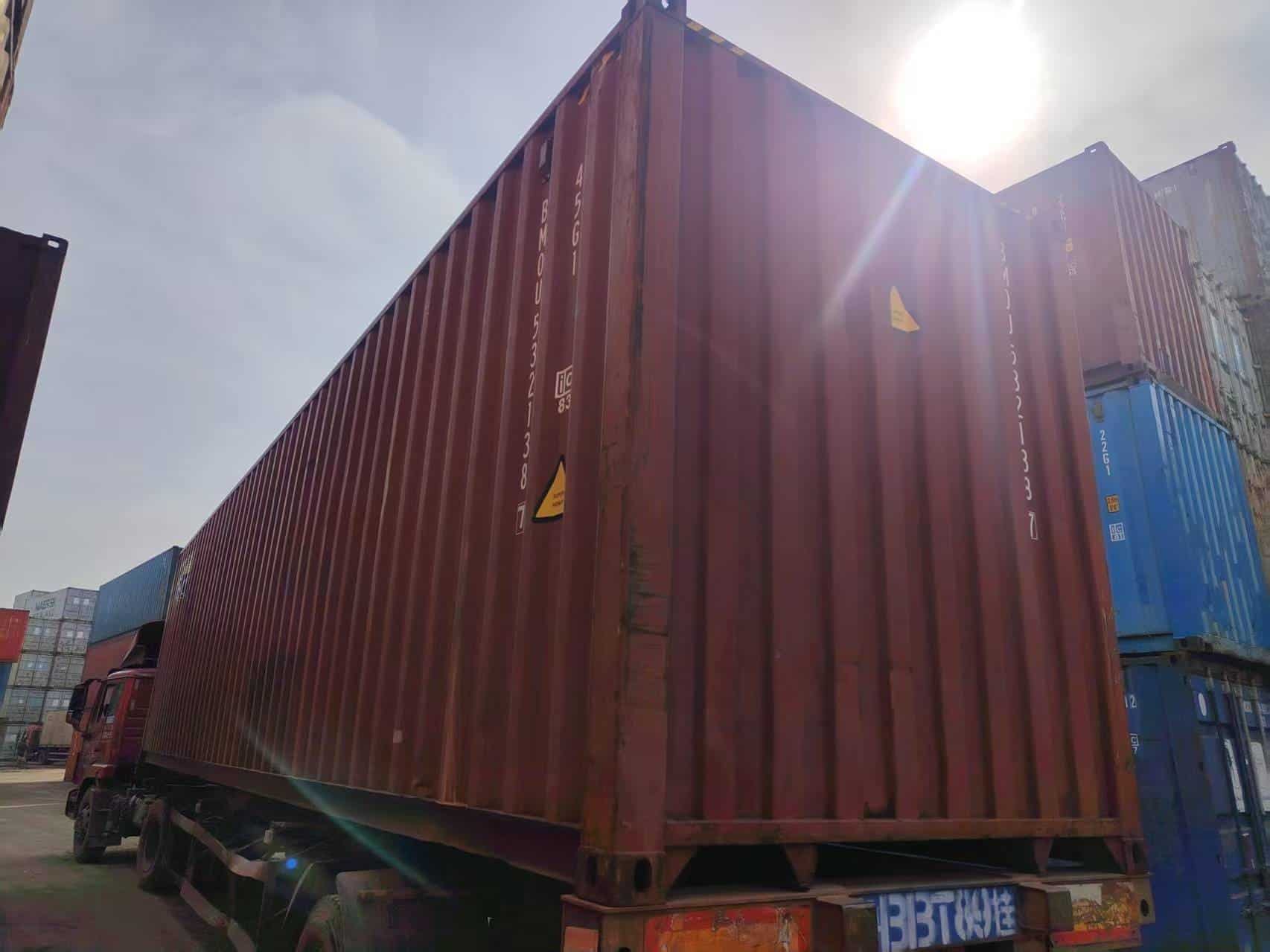
Raw container interiors are difficult to sanitize properly because corrugated steel traps dust and moisture.
Modern liner systems solve this problem.
TRUSUS Easy-To-Clean Liner Features
| Feature | Hygiene Benefit |
|---|---|
| Smooth surfaces | Easier wiping |
| Moisture resistance | Reduced mold risk |
| Chemical resistance | Better disinfecting |
| Seam reduction | Less contamination buildup |
Surface design strongly affects cleaning efficiency.
TRUSUS Common Hygienic Interior Applications
| Application | Hygiene Requirement |
|---|---|
| Medical clinics | High sanitation |
| Food preparation units | Washable surfaces |
| Laboratories | Contamination control |
| Modular offices | Daily cleaning ease |
These applications demand much higher standards than basic storage containers.
TRUSUS Materials Often Used For Sanitary Linings
| Material | Cleaning Performance |
|---|---|
| FRP panels | Excellent |
| PVC wall panels | Very good |
| Coated aluminum panels | Good |
| Laminated composite boards | Good |
Material selection depends on the required sanitation level.
TRUSUS Why Maintenance Simplicity Matters
| Poor Interior Design | Operational Problem |
|---|---|
| Absorbent surfaces | Odor retention |
| Deep corrugations | Dirt accumulation |
| Weak moisture resistance | Mold growth |
| Difficult cleaning access | Higher labor costs |
I often explain that sanitation efficiency directly affects operational value in commercial container projects.
TRUSUS The Evolution Of Container Interiors
| Original Container Standard | Modern Container Standard |
|---|---|
| Industrial durability | Human-centered hygiene |
| Cargo-safe surfaces | Sanitary environments |
| Minimal maintenance | Easy-clean systems |
| Utility-focused design | Wellness-focused design |
As container applications expand into human-centered industries, interior hygiene systems are becoming a major driver of project value.
Conclusion
At TRUSUS, I see container interior upgrades as far more than cosmetic improvements.
They represent the transformation of containers from industrial cargo tools into hygienic, high-performance environments designed for long-term human use and higher-value applications.
