




Can You Air Condition a Shipping Container?
Yes, you can air condition a shipping container effectively with proper insulation, ventilation design, and appropriately sized HVAC systems, typically requiring 12,000-18,000 BTU capacity for a 20-foot container depending on climate conditions and insulation quality.
Proper insulation is essential requiring 2-4 inches of spray foam or rigid board insulation to reduce heat transfer through steel walls and roof. HVAC sizing calculations need 12,000-18,000 BTU for 20-foot containers and 18,000-24,000 BTU for 40-foot units based on climate zone and usage. Electrical requirements include 220V service for larger units with proper grounding and weatherproof connections. Ventilation design incorporates fresh air intake and exhaust systems preventing moisture buildup and maintaining air quality. Professional installation ensures proper refrigerant lines and condensate drainage while meeting local codes.
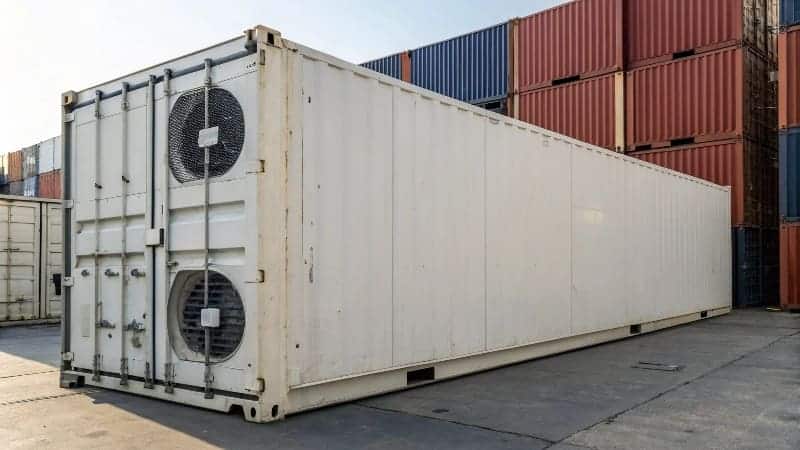
From my extensive experience in container modification and climate control systems, I've observed that successful air conditioning installations require comprehensive thermal management rather than simply adding cooling equipment to uninsulated steel structures.
What is the 3 Minute Rule for AC?
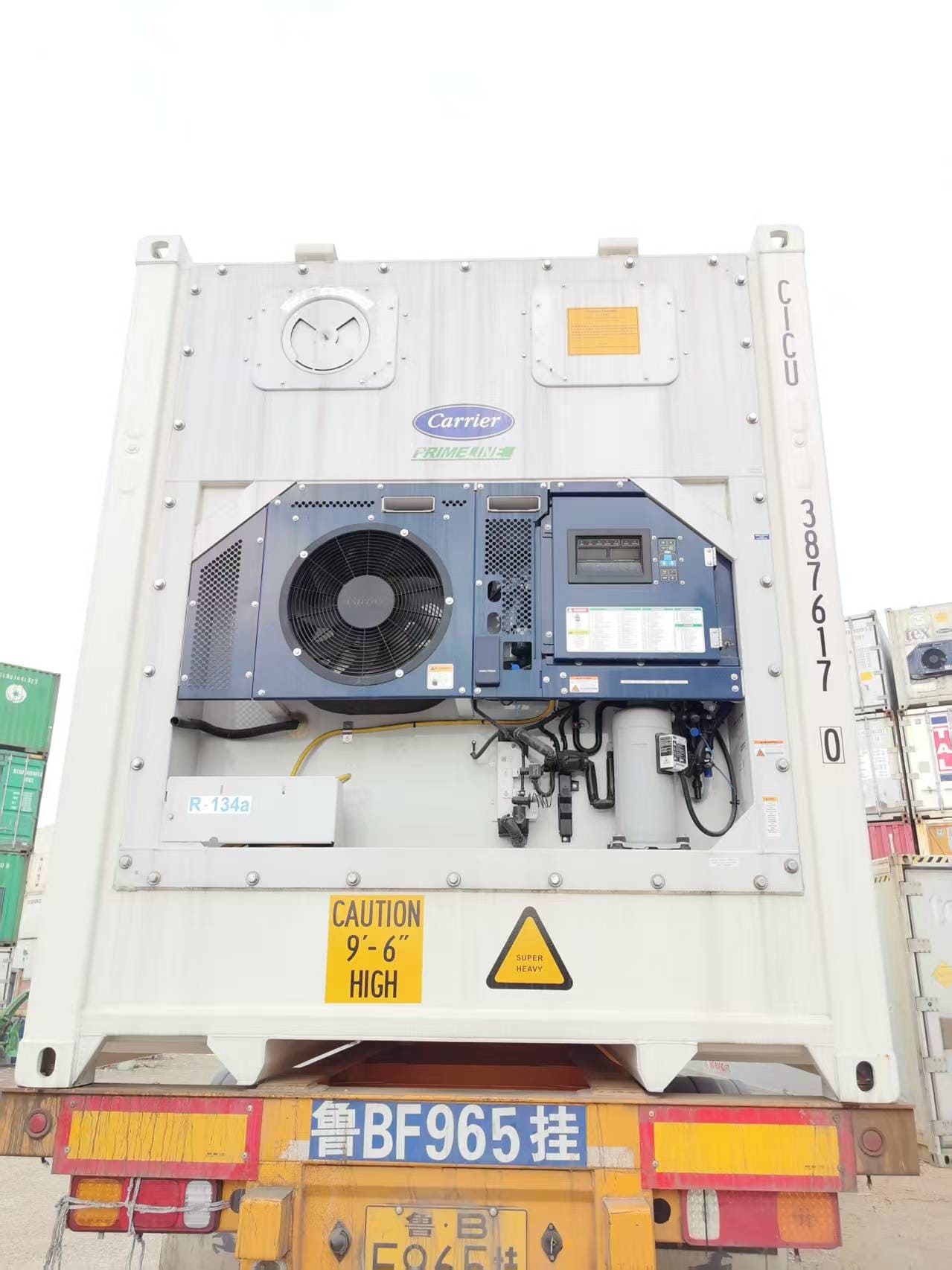
The 3-minute rule for air conditioning requires waiting at least 3 minutes after system shutdown before restarting to allow refrigerant pressures to equalize, preventing compressor damage from high-pressure differential and extending equipment lifespan through proper cycling protocols.
Refrigerant pressure equalization requires 3-5 minutes after system shutdown to prevent liquid slugging in compressor cylinders. High-pressure differential can damage compressor during immediate restart attempts causing mechanical failure and expensive repairs. Modern thermostats include delay timers preventing rapid cycling and protecting equipment automatically. Manual override attempts bypass protection potentially voiding warranties and causing premature failure. Commercial systems may require longer delays up to 5-10 minutes depending on refrigerant type and system size.
Refrigerant Pressure Dynamics
Understanding pressure behavior during AC operation and shutdown cycles explains the necessity of timing delays.
| System Phase | High Side Pressure | Low Side Pressure | Pressure Differential | Compressor Risk |
|---|---|---|---|---|
| Normal Operation | 250-400 PSI | 50-80 PSI | 200-350 PSI | Normal operation |
| Immediate Shutdown | 350-400 PSI | 50-80 PSI | 300-350 PSI | High stress |
| 1 Minute After | 200-300 PSI | 80-120 PSI | 120-220 PSI | Moderate stress |
| 3 Minutes After | 150-200 PSI | 120-150 PSI | 30-80 PSI | Safe restart |
| 5 Minutes After | 140-160 PSI | 140-160 PSI | 0-20 PSI | Optimal conditions |
Pressure equalization at 3-5 minutes creates safe conditions for compressor restart without mechanical damage.
Compressor Protection Mechanisms
Various protective devices prevent damage from improper AC cycling and pressure differentials.
| Protection Type | Function | Response Time | Effectiveness | Installation Requirements |
|---|---|---|---|---|
| Time Delay Relay | Prevents rapid cycling | 3-10 minutes | High reliability | Factory installed |
| Pressure Switch | Monitors refrigerant | Instantaneous | Safety backup | Professional setup |
| Thermal Overload | Temperature protection | 1-5 minutes | Compressor safety | Standard equipment |
| Crankcase Heater | Prevents liquid refrigerant | Continuous | Cold weather protection | Climate dependent |
| Hard Start Kit | Assists difficult starts | Startup only | Voltage fluctuation help | Field installation |
Time delay relays provide the primary protection against rapid cycling and pressure-related damage.
Container-Specific AC Considerations
Shipping container environments create unique challenges for air conditioning system operation and protection.
| Container Factor | AC System Impact | Protection Needs | Design Solutions | Maintenance Requirements |
|---|---|---|---|---|
| Small Air Volume | Rapid temperature changes | Sensitive cycling | Variable speed systems | Regular filter changes |
| High Heat Load | Frequent operation | Robust protection | Oversized equipment | Preventive maintenance |
| Limited Ventilation | Moisture buildup | Humidity control | Dehumidification systems | Condensate management |
| Power Fluctuations | Electrical stress | Voltage protection | Surge suppressors | Electrical monitoring |
| Remote Locations | Service challenges | Reliable operation | Quality components | Remote diagnostics |
Small air volume in containers requires careful AC sizing to prevent short cycling and maintain comfort.
What is the Maximum Temperature Inside a Shipping Container?
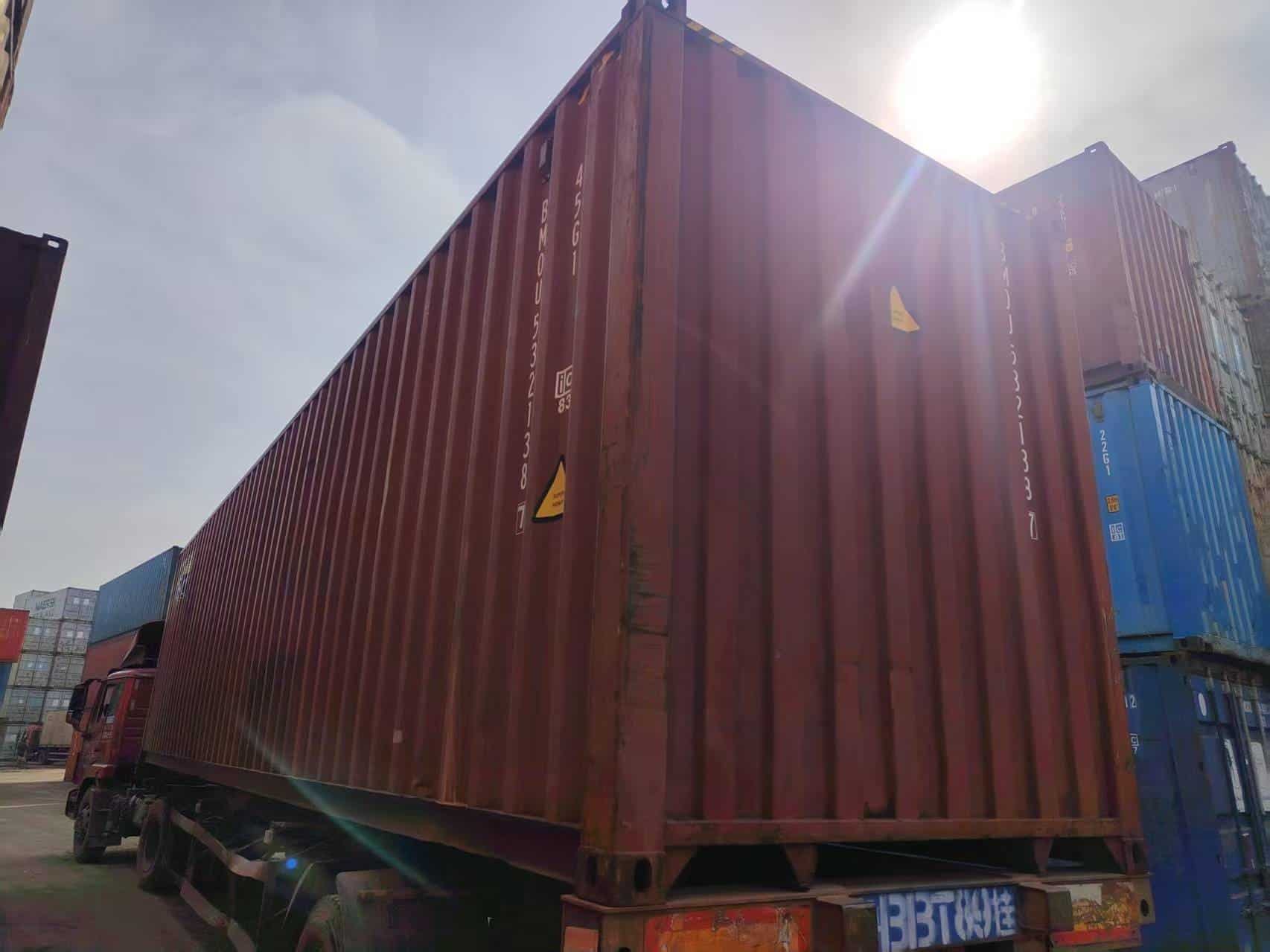
The maximum temperature inside an uninsulated shipping container can reach 140-160°F (60-71°C) in direct sunlight with ambient temperatures of 90-100°F, creating dangerous conditions requiring thermal management for human occupancy or temperature-sensitive cargo.
Steel construction creates greenhouse effect with solar radiation heating causing internal temperatures 40-60°F higher than ambient conditions. Dark colored containers absorb more heat reaching higher peak temperatures than light colored units. Geographic location affects maximum temperatures with desert climates producing extreme conditions exceeding 160°F (71°C) internally. Ventilation absence prevents heat dissipation creating dangerous accumulation over daily cycles. Insulation reduces peak temperatures by 30-50°F making occupancy possible with proper climate control.
Temperature Variation Factors
Multiple environmental and design factors influence maximum container temperatures.
| Temperature Factor | Impact Level | Temperature Increase | Mitigation Methods | Cost Implications |
|---|---|---|---|---|
| Solar Radiation | Very high | 40-60°F increase | Reflective coating | Low cost solution |
| Ambient Temperature | High | Direct relationship | Shade structures | Moderate investment |
| Container Color | Moderate | 10-20°F difference | Light colored paint | Minimal cost |
| Wind Speed | Moderate | 5-15°F reduction | Site positioning | No additional cost |
| Humidity Levels | Low | Comfort impact | Ventilation systems | Moderate cost |
Solar radiation represents the most significant factor driving extreme internal temperatures.
Geographic Temperature Variations
Different climate zones produce varying maximum container temperatures under similar conditions.
| Climate Zone | Ambient Temperature | Container Maximum | Heat Index | Occupancy Risk |
|---|---|---|---|---|
| Desert Southwest | 110-120°F | 160-180°F | Extreme danger | Lethal without AC |
| Southern Plains | 95-105°F | 140-160°F | Dangerous | Heat exhaustion risk |
| Humid Subtropical | 90-100°F | 130-150°F | Very hot | Dehydration risk |
| Temperate Continental | 85-95°F | 120-140°F | Hot | Discomfort only |
| Coastal Marine | 75-85°F | 110-130°F | Warm | Tolerable short-term |
Desert climates create the most extreme and dangerous container internal temperatures.
Thermal Management Solutions
Various approaches reduce maximum container temperatures to acceptable levels for different applications.
| Solution Type | Temperature Reduction | Implementation Cost | Energy Requirements | Effectiveness Rating |
|---|---|---|---|---|
| Spray Foam Insulation | 30-50°F reduction | $2,000-4,000 | Passive system | Excellent |
| Reflective Roof Coating | 15-25°F reduction | $200-500 | No energy | Good |
| Exhaust Ventilation | 10-20°F reduction | $500-1,500 | Low power | Moderate |
| Air Conditioning | 60-80°F reduction | $3,000-8,000 | High power | Excellent |
| Shade Structures | 20-30°F reduction | $1,000-3,000 | Passive system | Good |
Spray foam insulation provides the best balance of temperature reduction and energy efficiency.
What is Not Allowed in a Shipping Container?
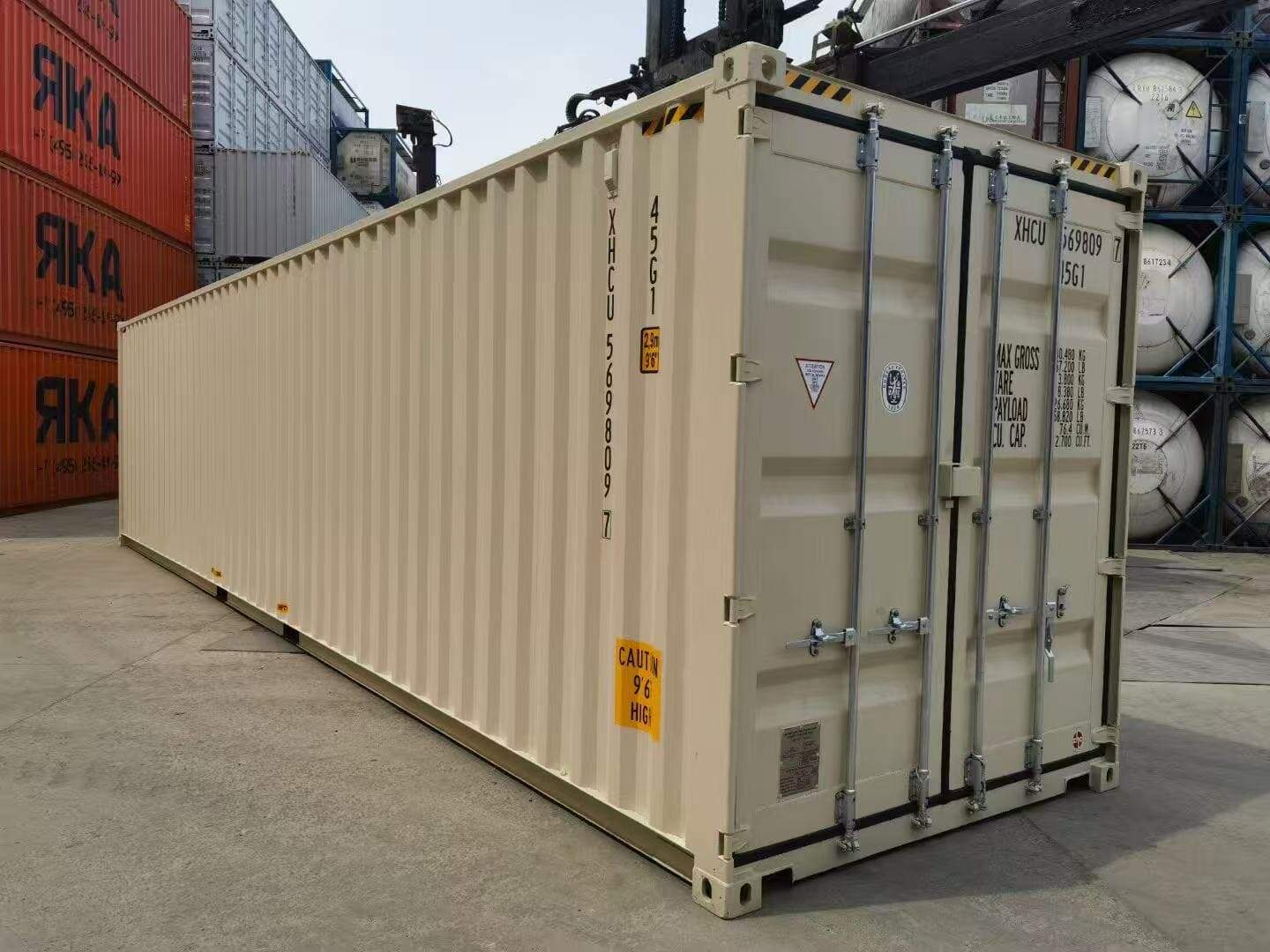
Shipping containers prohibit hazardous materials including explosives, flammable liquids, compressed gases, corrosive chemicals, radioactive substances, infectious materials, and certain foods, with specific restrictions varying by transportation mode, destination, and regulatory jurisdiction.
Dangerous goods classifications prohibit Class 1 explosives including fireworks, ammunition, and blasting materials due to explosion risk in confined spaces. Flammable liquids above flash point limits including gasoline, paint thinner, and alcohols create fire hazards requiring specialized containers. Compressed gases and aerosols pose pressure explosion risks especially during temperature variations. Corrosive materials damage container structure and create environmental hazards requiring specialized packaging. Living organisms face temperature extremes making container transport unsuitable without climate control systems.
Dangerous Goods Classifications
International regulations categorize prohibited and restricted materials for container transportation.
| Hazard Class | Material Examples | Risk Factors | Container Impact | Regulatory Authority |
|---|---|---|---|---|
| Class 1 - Explosives | Fireworks, ammunition | Explosion risk | Structural damage | DOT, IMDG |
| Class 2 - Gases | Propane, oxygen tanks | Pressure explosion | Metal fatigue | Transportation agencies |
| Class 3 - Flammable Liquids | Gasoline, solvents | Fire hazard | Heat accumulation | Fire marshals |
| Class 4 - Flammable Solids | Matches, sodium | Ignition risk | Temperature sensitivity | Safety regulators |
| Class 5 - Oxidizers | Pool chemicals, nitrates | Fire acceleration | Chemical reactions | Environmental agencies |
Class 1 explosives face the most stringent prohibitions due to catastrophic risk potential.
Temperature-Sensitive Restrictions
Extreme container temperatures create additional restrictions for various materials and products.
| Material Category | Temperature Limit | Container Risk | Damage Type | Regulatory Basis |
|---|---|---|---|---|
| Pharmaceuticals | 77°F maximum | Potency loss | Chemical degradation | FDA regulations |
| Food Products | Variable limits | Spoilage risk | Bacterial growth | USDA standards |
| Electronic Equipment | 140°F maximum | Component failure | Thermal damage | Manufacturer specs |
| Artwork/Antiques | 75°F maximum | Material damage | Warping, cracking | Insurance requirements |
| Live Plants | 85°F maximum | Death/damage | Heat stress | Agricultural regulations |
Pharmaceutical products require the most stringent temperature control to maintain efficacy.
Structural Damage Considerations
Certain materials can damage container integrity or create safety hazards during transport.
| Damage Type | Prohibited Materials | Container Impact | Safety Concern | Prevention Methods |
|---|---|---|---|---|
| Corrosion | Acids, bases | Metal deterioration | Structural failure | Proper packaging |
| Weight Overload | Dense materials | Frame damage | Transportation hazard | Weight distribution |
| Puncture Risk | Sharp objects | Wall penetration | Weather exposure | Protective barriers |
| Chemical Reactions | Reactive substances | Gas generation | Pressure buildup | Incompatible separation |
| Moisture Damage | Hygroscopic materials | Condensation | Rust formation | Moisture barriers |
Corrosive materials pose the greatest long-term threat to container structural integrity.
Legal and Insurance Implications
Prohibited items in containers create liability and regulatory compliance issues.
| Compliance Area | Violation Consequences | Financial Impact | Legal Responsibility | Risk Management |
|---|---|---|---|---|
| Transportation Regulations | Fines, delays | $10,000-100,000+ | Shipper liability | Proper documentation |
| Insurance Coverage | Claim denial | Total loss exposure | Policy violations | Compliance verification |
| Environmental Laws | Cleanup costs | $100,000-1,000,000+ | Joint liability | Environmental assessment |
| International Trade | Customs seizure | Shipment loss | Import/export bans | Regulatory consultation |
| Safety Violations | Criminal charges | Variable penalties | Personal responsibility | Professional guidance |
Transportation regulation violations carry the highest probability of enforcement and financial penalties.
Container Modification Restrictions
Converting containers for habitation or commercial use creates additional prohibited item considerations.
| Modification Type | Additional Restrictions | Safety Requirements | Code Compliance | Inspection Needs |
|---|---|---|---|---|
| Residential Conversion | Building code items | Fire safety systems | Local ordinances | Regular inspections |
| Commercial Kitchen | Grease, propane limits | Ventilation systems | Health departments | Health inspections |
| Workshop/Studio | Solvent restrictions | Fire suppression | Zoning compliance | Safety inspections |
| Data Center | Battery restrictions | Climate control | Electrical codes | Technical inspections |
| Medical Facility | Waste restrictions | Contamination control | Medical regulations | Health authority review |
Residential conversions face the most comprehensive restrictions due to life safety requirements.
Conclusion
You can air condition shipping containers effectively with proper insulation requiring 2-4 inches spray foam and HVAC systems sized 12,000-18,000 BTU for 20-foot containers plus 220V electrical service and professional installation ensuring proper refrigerant lines and condensate drainage while meeting local codes. The 3-minute rule requires waiting 3-5 minutes after AC system shutdown before restarting to allow refrigerant pressures to equalize preventing compressor damage from high-pressure differential with modern thermostats including delay timers for automatic equipment protection. Maximum temperatures inside uninsulated containers reach 140-160°F (60-71°C) in direct sunlight with steel construction creating greenhouse effect and solar radiation heating causing internal temperatures 40-60°F higher than ambient conditions requiring thermal management for occupancy. Shipping containers prohibit hazardous materials including Class 1 explosives, flammable liquids, compressed gases and corrosive chemicals due to explosion risks and fire hazards in confined spaces with temperature variations creating additional restrictions for pharmaceuticals and food products. Success with container climate control requires understanding that uninsulated steel structures create extreme thermal environments, with effective air conditioning depending on comprehensive insulation systems, proper HVAC sizing, and recognition that container modifications must address both comfort requirements and safety regulations while maintaining compliance with transportation and building codes for intended applications.
