




Can a Container Be Modified?
Yes, a standard shipping container can be modified in many ways. Through structural cutting, reinforcement, and surface finishing, a container can transform from a simple cargo unit into a functional space or customized asset.
TRUSUS container insight: modification is not damage—it’s rebirth.
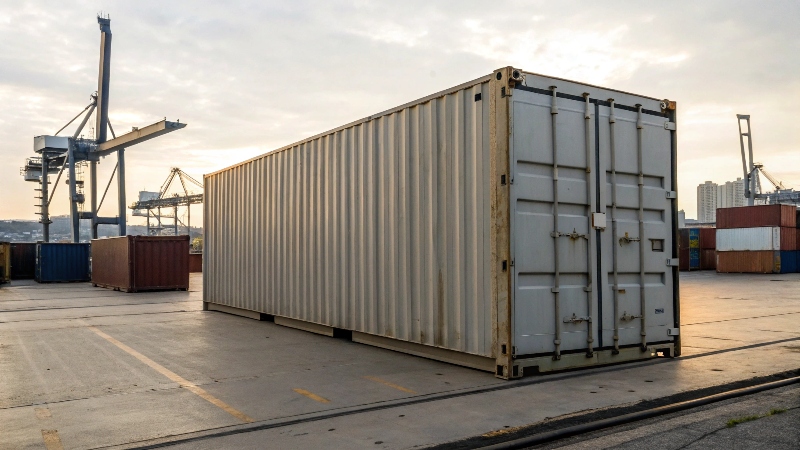
A container’s steel structure provides a solid base for remodeling. Doors, windows, insulation, lighting, and partitions can be adapted to meet different commercial or residential uses.
Can You Ship a Modified Shipping Container?
You can ship a modified container only if it still meets CSC safety standards and maintains its structural integrity. If structural parts are cut or altered, it may no longer qualify for ocean shipping.
TRUSUS compliance insight: every modification changes its identity—from transport asset to fixed property.
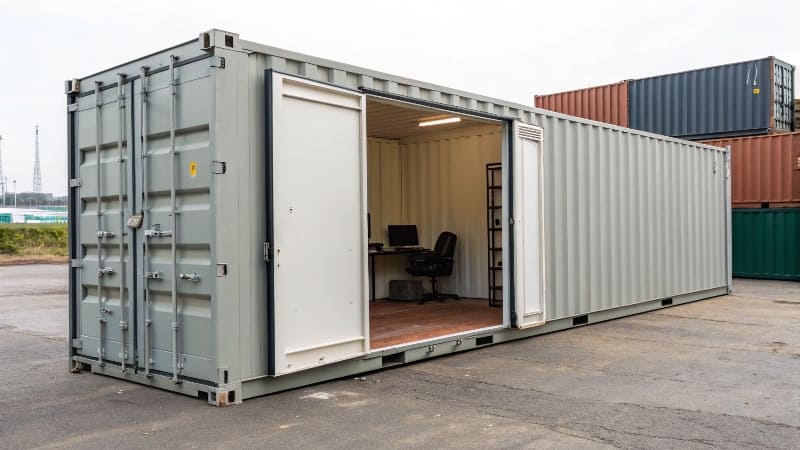
Certification Compliance Chart
| Container Type | Modifications Allowed | CSC Certification Status | Recommended Use |
|---|---|---|---|
| Standard ISO Container | Minor openings, paint | Valid | Sea transport |
| Reinforced, Partial Cut | With re‑inspection | Conditional | Domestic or short‑term cargo |
| Fully Converted Unit | Major structural change | Invalid | Land‑based space use |
| Modular Assembled Units | Permanent modification | Non‑CSC | Architecture and business |
If clients intend to reuse containers for shipping, modifications must be verified by a qualified inspector to ensure transport compliance.
What Are the Techniques for Modifying Containers?
Modification techniques range from basic cutting and welding to advanced system integrations. These include insulation, electrical wiring, water systems, and interior design improvements.
TRUSUS engineering insight: modification combines metalwork precision and spatial imagination.
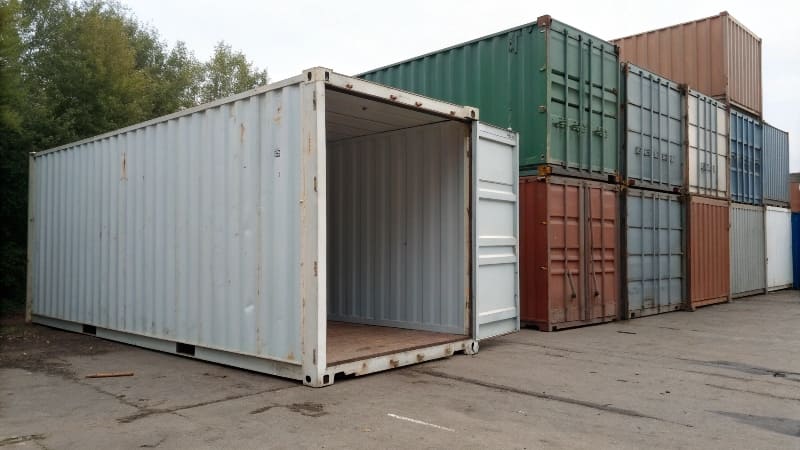
Container Modification Process
| Stage | Technique | Function |
|---|---|---|
| Step 1 | Cutting and framing | Create openings for doors, windows, vents |
| Step 2 | Welding and reinforcement | Restore or enhance structural rigidity |
| Step 3 | Insulation and lining | Improve temperature and sound control |
| Step 4 | Electrical and plumbing | Enable livable or commercial functionality |
| Step 5 | Exterior finishing | Add coatings, wood panels, or aluminum |
| Step 6 | Modular assembly | Combine multiple containers into one space |
Each step evolves the container from industrial utility to architectural component, ensuring new form without compromising safety.
How to Make a Shipping Container Look Better?
You can enhance a container’s appearance through cladding, paint, landscaping integration, and lighting design. Wood panels, composite boards, or architectural coatings give it warmth and character.
TRUSUS design insight: beauty begins when structure meets emotion.
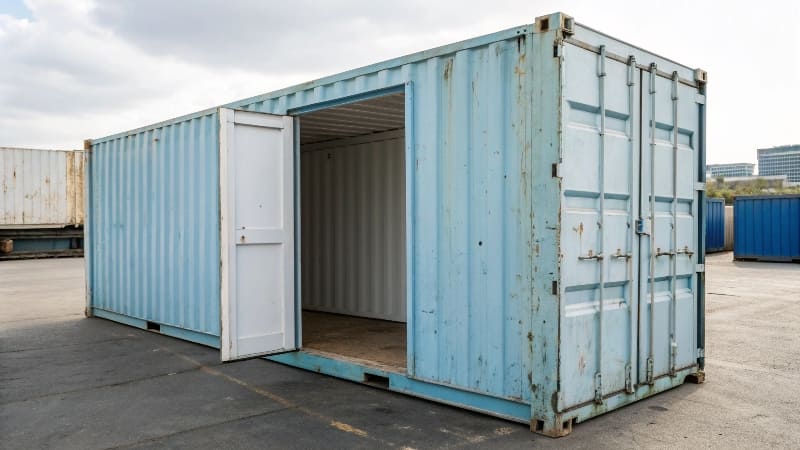
Aesthetic Upgrade Options
| Method | Description | Effect |
|---|---|---|
| Exterior Paint | Use weather‑resistant coatings | Fresh uniform finish |
| Wood or Cement Board Cladding | Attach decorative panels | Natural or modern appeal |
| Green Wall Integration | Add vegetation panels | Blend with surroundings |
| LED Accent Lighting | Integrate strip or outdoor lights | Highlight features |
| Window Frames & Awnings | Custom hardware | Softer facade rhythm |
These design touches shift the container from industrial origin to expressive architecture—practical, yet visually inviting.
Conclusion
At TRUSUS, I see container modification as the dialogue between structure and creativity. When standardized steel meets customized imagination, a global transport tool becomes a living, adaptable space.
