




Best Materials for Luxury Interior Walls in a Shipping Container?
The best materials for luxury container interior walls combine lightweight engineered panels like aluminum honeycomb with wood veneer, fire-rated gypsum board with high-end laminates, or fiber cement boards with decorative films, maximizing space efficiency while providing premium aesthetics, moisture resistance, and structural integration within the container's steel framework.
Aluminum honeycomb panels with wood veneer provide luxury aesthetics at minimal thickness while offering excellent strength-to-weight ratios. Fire-rated gypsum board creates smooth surfaces for high-end laminates or paint finishes with built-in fire protection. Fiber cement substrates support decorative films and textured coatings while resisting moisture and maintaining dimensional stability. Engineered systems integrate insulation, vapor barriers, and finish materials in coordinated assemblies. Space efficiency requires materials under 50mm total thickness to preserve interior volume.
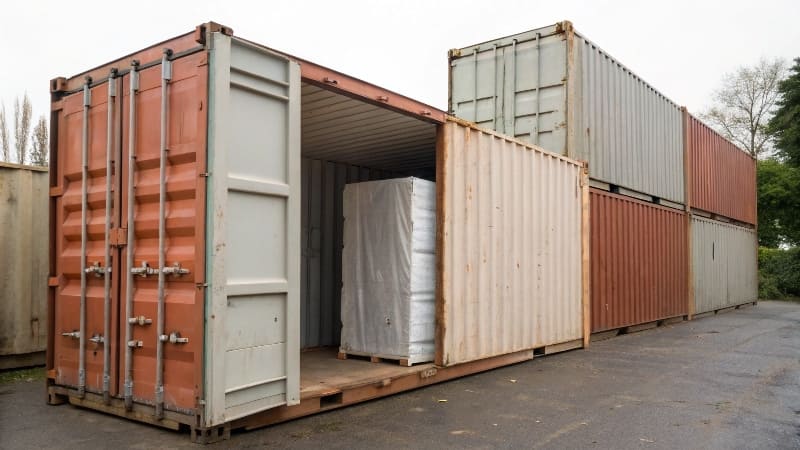
From my extensive experience in container sales, I've seen the market shift dramatically toward high-end interior finishes as containers become permanent living spaces rather than temporary solutions.
How to Maximize Floor Space in a Tiny Container Bathroom Layout?
Maximize container bathroom floor space using corner-mounted toilets, wall-hung sinks with hidden plumbing, sliding pocket doors instead of swing doors, shower niches replacing separate enclosures, and multi-level design with raised platforms for plumbing access while maintaining 1200-1500mm minimum width for comfortable use.
Corner-mounted toilets save 300-400mm of floor space compared to traditional placement while maintaining functionality. Wall-hung fixtures eliminate floor-mounted pedestals creating visual continuity and easier cleaning. Sliding pocket doors save 600-800mm of swing clearance in tight spaces. Shower niches integrate bathing areas without separate enclosures maximizing usable floor area. Raised platform design conceals plumbing systems while creating storage underneath bathroom fixtures.
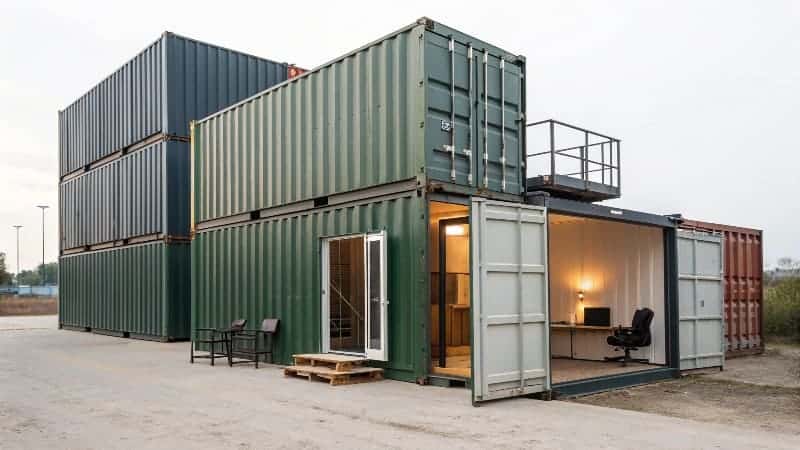
Space-Saving Fixture Options
Compact fixtures designed specifically for tiny bathroom applications.
| Fixture Type | Standard Footprint | Space-Saving Option | Space Gained | Cost Impact |
|---|---|---|---|---|
| Toilet | 700x400mm | Corner mount 500x350mm | 150mm depth | +25% |
| Sink | 600x450mm | Wall-hung 400x250mm | 200mm depth | +30% |
| Shower | 900x900mm | Corner unit 700x700mm | 0.28 m² | +15% |
| Door | 800mm swing | 600mm pocket | 0.35 m² | +50% |
| Storage | Floor cabinet | Wall-mounted | 0.20 m² | +20% |
Pocket doors provide the greatest space savings for circulation areas.
Layout Configurations
Different bathroom layout options for standard 20ft containers.
| Layout Type | Usable Floor Area | Fixture Count | Circulation Space | Comfort Level |
|---|---|---|---|---|
| Linear | 2.5-3.0 m² | Full bathroom | Minimal | Basic |
| Corner | 3.0-3.5 m² | Full bathroom | Adequate | Good |
| Split-Level | 3.5-4.0 m² | Full bathroom + storage | Good | Excellent |
| Wet Room | 2.8-3.2 m² | Combined shower/toilet | Moderate | Compact |
| Modular | 3.2-3.8 m² | Stackable fixtures | Good | Very Good |
Split-level designs offer the best combination of space efficiency and comfort.
Plumbing Integration
Efficient plumbing routing for space optimization.
| Plumbing Strategy | Space Requirement | Installation Cost | Maintenance Access | Code Compliance |
|---|---|---|---|---|
| Raised Floor | 150-200mm height | Baseline | Excellent | Full |
| Wall Chase | 100-150mm depth | +25% | Good | Full |
| Overhead Route | 200-250mm ceiling | +15% | Moderate | Limited |
| External Route | No interior space | +40% | Difficult | Weather dependent |
| Combo System | Variable | +30% | Good | Full |
Raised floor systems provide optimal balance of space and accessibility.
Can I Install a Regular Flush Toilet in a Mobile Container Unit?
You can install a regular flush toilet in a mobile container unit using a macerating pump system, elevated waste holding tank, or connection to external septic/sewer systems, though mobile applications often benefit from composting or cassette toilets for water conservation and waste management flexibility during transport and off-grid use.
Macerating pump systems enable regular toilet installation by grinding waste and pumping to elevated tanks or distant connections. Elevated holding tanks provide gravity flow for normal flushing while containing waste for periodic pumping. External connections work when stationary at RV parks or permanent sites with sewer access. Water supply requires pressurized systems or gravity feed from roof tanks. Mobile considerations include weight distribution, tank securing, and freeze protection during transport.
Toilet System Options
Different toilet systems suitable for mobile container applications.
| System Type | Water Usage | Waste Capacity | Power Required | Mobility Impact |
|---|---|---|---|---|
| Standard Flush | 6-9L per flush | External connection | Pump only | Stationary only |
| Low-Flow Flush | 3-4L per flush | 40-80L holding | Pump + water | Limited mobility |
| Macerating System | 6-9L per flush | 80-150L holding | 400W pump | Good mobility |
| Composting Toilet | Minimal | Self-contained | Fan only | Excellent mobility |
| Cassette Toilet | 2-4L per flush | 15-20L portable | None | Excellent mobility |
Macerating systems provide best balance of comfort and mobility.
Installation Requirements
Technical requirements for different toilet system installations.
| Requirement | Standard Flush | Macerating System | Composting | Cassette |
|---|---|---|---|---|
| Floor Reinforcement | Standard | Standard | Minimal | Minimal |
| Plumbing Complexity | High | Moderate | Low | Very Low |
| Electrical Needs | Minimal | 12V/110V | 12V fan | None |
| Ventilation | Standard | Standard | Dedicated | Standard |
| Tank Installation | External | Internal/external | Integrated | Portable |
| Maintenance Frequency | Low | Moderate | Regular | High |
Installation complexity varies significantly between different toilet system types.
Mobile Considerations
Special factors affecting toilet choice for mobile container units.
| Factor | Impact Level | Standard Flush | Macerating | Composting | Cassette |
|---|---|---|---|---|---|
| Weight Distribution | High | Poor | Moderate | Good | Excellent |
| Freeze Protection | High | Critical | Important | Minimal | Moderate |
| Water Supply | High | Large tank needed | Moderate tank | Minimal | Small tank |
| Waste Management | High | Dump station only | Flexible | Minimal | Very flexible |
| Power Independence | Moderate | Good | Poor | Good | Excellent |
Weight and waste management flexibility are critical factors for mobile units.
How to Hide Electrical Wiring and Plumbing in a Container Build?
Hide electrical wiring and plumbing in container builds using furring strip cavities, surface-mounted raceways with decorative covers, raised floor platforms, overhead soffit systems, and wall chase construction, integrating utilities within insulation layers and finished wall assemblies while maintaining access for maintenance and code compliance.
Furring strip cavities between steel walls and interior finish provide space for electrical routing and shallow plumbing. Surface-mounted raceways with decorative covers offer accessible yet concealed utility distribution. Raised floor platforms hide major plumbing runs and electrical feeds while creating storage. Overhead soffit systems conceal HVAC ducts, electrical mains, and water supply lines. Wall chase construction integrates utilities within insulation cavities behind finished surfaces.
Concealment Methods
Different approaches to hiding utilities in container construction.
| Method | Space Required | Installation Cost | Access Level | Code Compliance |
|---|---|---|---|---|
| Furring Strips | 25-50mm | Baseline | Good | Full |
| Surface Raceways | 20-40mm | +15% | Excellent | Full |
| Raised Floor | 100-200mm | +35% | Excellent | Full |
| Ceiling Soffit | 150-250mm | +25% | Moderate | Full |
| Wall Chases | 75-100mm | +40% | Limited | Full |
Furring strip systems provide best balance of space and cost efficiency.
Electrical Routing Options
Strategic electrical distribution methods for container interiors.
| Routing Method | Capacity | Flexibility | Concealment Level | Maintenance Access |
|---|---|---|---|---|
| Perimeter Raceway | High | Excellent | Good | Excellent |
| Floor Channels | Moderate | Good | Excellent | Good |
| Ceiling Grid | High | Excellent | Good | Good |
| Wall Cavities | Moderate | Limited | Excellent | Limited |
| Baseboard Systems | Low | Good | Good | Excellent |
Perimeter raceways offer optimal flexibility for electrical distribution.
Plumbing Integration
Plumbing concealment strategies within container constraints.
| System Component | Concealment Method | Space Impact | Access Requirements | Installation Difficulty |
|---|---|---|---|---|
| Water Supply | Ceiling/wall chase | 50-75mm | Moderate | Moderate |
| Waste Lines | Raised floor | 150-200mm | Good | High |
| Vent Stacks | Wall cavity | 100mm | Limited | High |
| Fixtures | Wall-mounted | Variable | Good | Moderate |
| Shut-offs | Access panels | Minimal | Excellent | Low |
Raised floor systems work best for major plumbing concealment.
Access Provisions
Maintaining code-required access while hiding utilities.
| Utility Type | Access Requirement | Solution Method | Panel Size | Code Reference |
|---|---|---|---|---|
| Electrical Panels | Full access | Flush-mount cabinet | 600x400mm | NEC |
| Water Heater | Service access | Removable panels | 800x600mm | IPC |
| Shut-off Valves | Emergency access | Quick-release covers | 300x300mm | IPC |
| Junction Boxes | Inspection access | Removable covers | 150x150mm | NEC |
| Cleanouts | Maintenance access | Floor/wall access | 200x200mm | IPC |
Access panels must balance concealment with code compliance requirements.
Integration Strategies
Coordinating multiple utility systems within limited space.
| Integration Level | Complexity | Space Efficiency | Cost Impact | Design Flexibility |
|---|---|---|---|---|
| Basic Separation | Low | Poor | Baseline | High |
| Shared Chases | Moderate | Good | +20% | Moderate |
| Coordinated Routes | High | Very Good | +35% | Moderate |
| Integrated Systems | Very High | Excellent | +50% | Limited |
| Modular Assemblies | High | Excellent | +40% | Good |
Coordinated routing provides optimal space efficiency without excessive complexity.
Conclusion
Best luxury materials for container interior walls combine lightweight engineered panels like aluminum honeycomb with wood veneer, fire-rated gypsum board with high-end laminates, or fiber cement boards with decorative films maximizing space efficiency while providing premium aesthetics. Maximize bathroom floor space using corner-mounted toilets, wall-hung sinks, sliding pocket doors, shower niches, and multi-level design with raised platforms while maintaining 1200-1500mm minimum width. Regular flush toilets can install in mobile containers using macerating pump systems, elevated holding tanks, or external connections though composting or cassette toilets often work better for water conservation and waste management flexibility. Hide utilities using furring strip cavities, surface-mounted raceways, raised floor platforms, overhead soffit systems, and wall chase construction integrating utilities within insulation layers while maintaining code-required access. Success with luxury container interiors requires understanding that material selection must balance aesthetics with space efficiency and weight constraints, bathroom design prioritizes space-saving fixtures and efficient layouts over traditional configurations, toilet systems for mobile units benefit from flexibility and water conservation, and utility concealment requires systematic planning to integrate electrical and plumbing within limited wall and ceiling cavities while maintaining required access for maintenance and code compliance, making coordinated design essential for achieving high-quality container living spaces.
