




Best Foundation for Container Homes on Swampy Guyana Land?
The best foundation for container homes on swampy Guyana land uses helical pier systems with concrete caps, driven 15-20 feet deep to stable soil layers, supporting containers at corner ISO corner fittings while allowing drainage underneath and accommodating seasonal ground movement without compromising structural integrity.
Helical pier systems penetrate soft surface layers reaching stable soil at 15-20 feet depth providing reliable load transfer. Concrete caps distribute container corner loads across pier tops preventing point stress concentration. Elevated design allows water drainage beneath container floor preventing moisture accumulation and corrosion issues. Seasonal accommodation handles ground expansion and contraction without structural damage. Installation efficiency requires minimal site disturbance compared to traditional foundations in sensitive wetland areas.
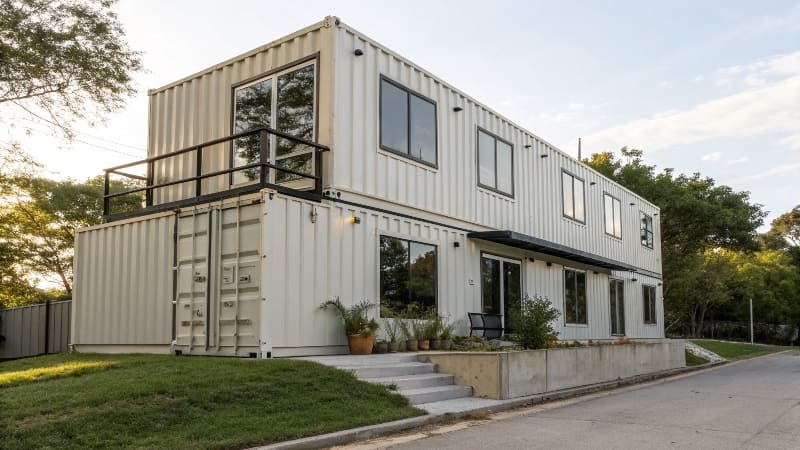
From my extensive experience selling containers in tropical regions, I've learned that successful swampy installations depend on reaching stable soil layers rather than fighting surface conditions.
Do Containers Need a Full Concrete Slab or Just Pillar Supports?
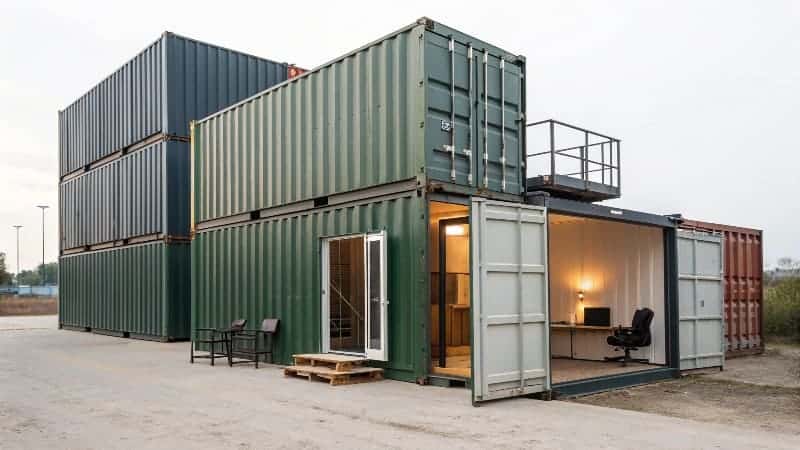
Container homes typically perform better on pillar supports rather than full concrete slabs, especially in tropical climates, as pillar systems provide adequate structural support through ISO corner fittings, enable drainage and ventilation, reduce foundation costs by 60-70%, and accommodate ground movement more effectively than rigid slabs.
Pillar support systems utilize container corner fittings designed for stacking loads up to 192,000 pounds providing more than adequate support for residential applications. Drainage benefits prevent moisture accumulation under container floors reducing corrosion risk and humidity problems. Cost advantages show 60-70% savings compared to full slab construction while maintaining structural integrity. Ground movement accommodation allows individual pillar adjustment during seasonal changes without slab cracking. Installation flexibility enables construction on varied terrain without extensive site preparation.
Support Load Analysis
Container corner fittings provide exceptional load-bearing capacity.
| Support Method | Load Capacity | Distribution | Structural Efficiency | Cost Factor |
|---|---|---|---|---|
| ISO Corner Fitting | 48,000 lbs each | Point load | Excellent | N/A |
| Concrete Pillar | 25,000+ lbs each | Distributed | Very Good | Baseline |
| Steel Pillar | 30,000+ lbs each | Point load | Excellent | +20% |
| Helical Pier | 40,000+ lbs each | Deep transfer | Excellent | +40% |
| Full Slab | Distributed | Area load | Good | +300% |
ISO corner fittings exceed residential loading requirements by significant margins.
Foundation Cost Comparison
Detailed cost analysis between pillar and slab foundation systems.
| Cost Component | Pillar System | Full Slab System | Savings | Percentage |
|---|---|---|---|---|
| Excavation | $800-1,200 | $3,500-5,000 | $2,700-3,800 | 70-76% |
| Concrete | $1,500-2,500 | $6,000-9,000 | $4,500-6,500 | 75-72% |
| Reinforcement | $300-600 | $1,200-2,000 | $900-1,400 | 75-70% |
| Labor | $1,000-1,500 | $3,000-4,500 | $2,000-3,000 | 67-67% |
| Equipment | $400-800 | $1,500-2,500 | $1,100-1,700 | 73-68% |
| Total Cost | $4,000-6,600 | $15,200-23,000 | $11,200-16,400 | 74-71% |
Total savings average 70-75% using pillar systems versus full slabs.
Performance Advantages
Pillar systems offer multiple performance benefits over slab foundations.
| Performance Factor | Pillar System | Slab System | Advantage | Long-term Impact |
|---|---|---|---|---|
| Drainage | Excellent | Poor | Prevents moisture problems | Major |
| Ventilation | Natural airflow | Blocked | Reduces humidity | Significant |
| Ground Movement | Accommodates | Cracks | Maintains integrity | Major |
| Maintenance Access | Easy | Difficult | Simplifies repairs | Moderate |
| Utility Routing | Flexible | Fixed | Design freedom | Moderate |
Drainage and ground movement accommodation provide the greatest advantages.
How to Level a Container on Uneven Terrain in the Interior Regions?
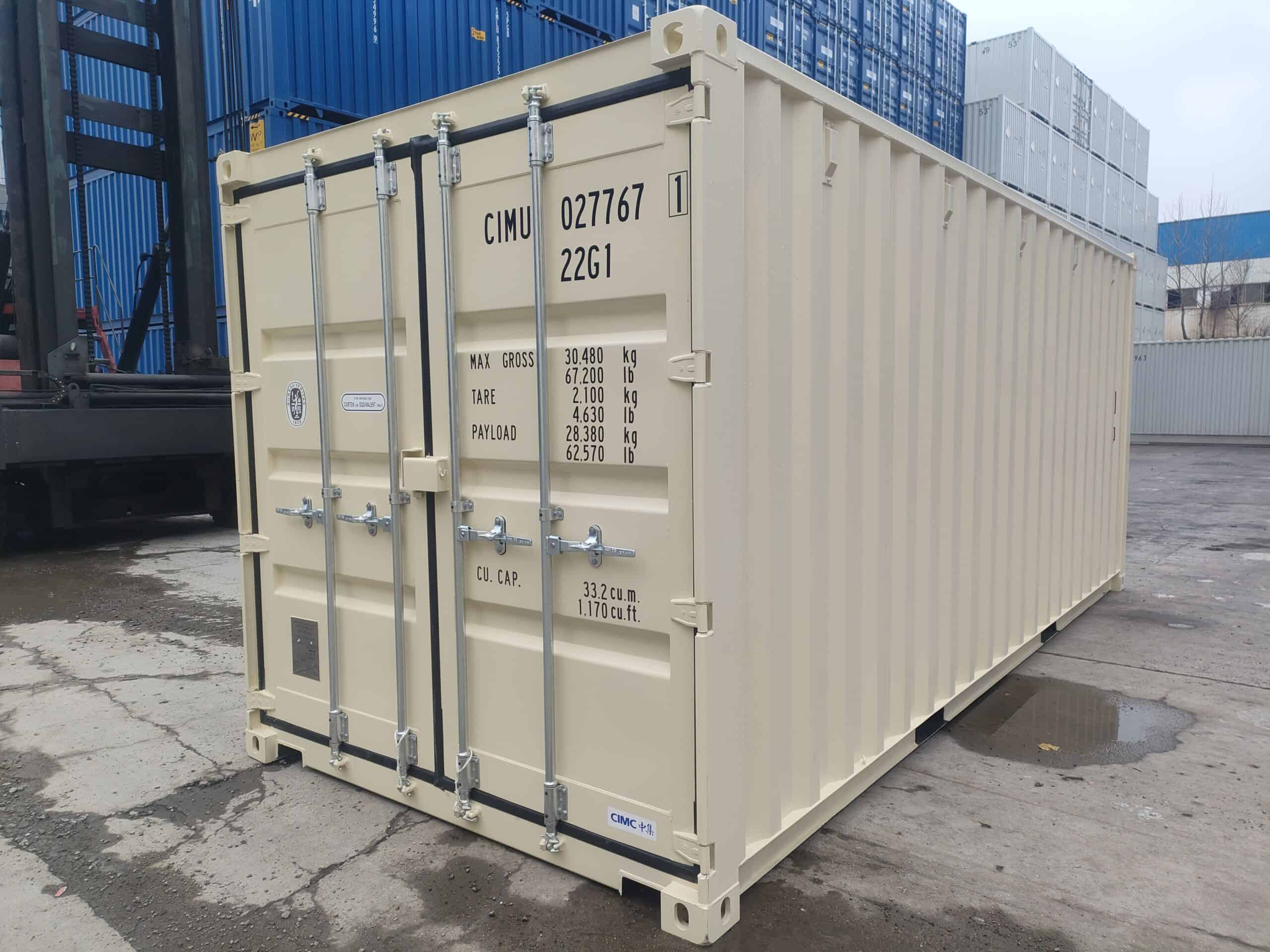
Level containers on uneven interior terrain using adjustable steel pedestals with threaded leveling mechanisms, laser level surveying for precise elevation control, shim plates for fine adjustments, and hydraulic jacks for initial positioning, achieving level tolerance within 1/4 inch across the entire container length.
Adjustable steel pedestals with threaded mechanisms provide 6-12 inch height adjustment enabling precise leveling on varied terrain. Laser level surveying establishes accurate elevation references ensuring container remains level within 1/4 inch tolerance. Shim plates offer fine adjustment capability for precise positioning after initial placement. Hydraulic jacks enable safe lifting and positioning during installation process. Permanent adjustment allows seasonal releveling without major reconstruction.
Leveling Equipment Requirements
Essential equipment for achieving precise container leveling.
| Equipment Type | Purpose | Precision | Cost Range | Rental Availability |
|---|---|---|---|---|
| Laser Level | Elevation reference | ±1/8 inch | $200-800 | Daily |
| Hydraulic Jacks | Container lifting | 1/4 inch | $150-400 each | Weekly |
| Adjustable Pedestals | Support and leveling | 1/8 inch | $75-200 each | Purchase |
| Transit Level | Surveying backup | ±1/4 inch | $300-600 | Daily |
| Shim Plates | Fine adjustment | 1/16 inch | $5-15 each | Purchase |
Laser levels provide the most accurate and efficient elevation reference.
Terrain Challenges
Different terrain types require specific leveling approaches.
| Terrain Type | Slope Range | Primary Challenge | Leveling Method | Equipment Needs |
|---|---|---|---|---|
| Gentle Slope | 0-5% | Minor adjustment | Adjustable pedestals | Basic |
| Moderate Slope | 5-15% | Significant variation | Stepped foundation | Intermediate |
| Steep Slope | 15-25% | Major elevation change | Terraced supports | Advanced |
| Irregular | Variable | Multiple issues | Custom solution | Comprehensive |
| Rocky | Variable | Hard excavation | Surface mounting | Specialized |
Moderate slopes represent the most common challenge in interior regions.
Precision Standards
Achieving acceptable leveling tolerances for container homes.
| Tolerance Level | Application | Measurement | Acceptable Deviation | Quality Impact |
|---|---|---|---|---|
| Rough Level | Site preparation | Visual | ±2 inches | Poor |
| Construction Level | Foundation work | Builder's level | ±1 inch | Fair |
| Finish Level | Final positioning | Laser level | ±1/4 inch | Good |
| Precision Level | High-end homes | Digital survey | ±1/8 inch | Excellent |
| Laboratory Level | Special applications | Optical survey | ±1/16 inch | Excessive |
Finish level at ±1/4 inch provides optimal balance of quality and cost.
Can a Container Home Withstand Hurricane-Force Winds in the Caribbean?
Container homes can withstand hurricane-force winds up to 175+ mph when properly anchored using helical ground anchors, structural tie-downs rated for uplift forces, reinforced corner connections, and wind-resistant modifications, often outperforming traditional construction due to their engineered steel structure and low profile design.
Helical ground anchors provide uplift resistance up to 50,000 pounds per anchor point preventing container displacement during extreme wind events. Structural tie-downs using Grade 70 chains or steel cables connect container corners to foundation anchors rated for hurricane loads. Corner reinforcement strengthens ISO fittings with additional steel plates distributing wind forces across container structure. Low profile advantage reduces wind surface area compared to traditional buildings decreasing overall wind loading. Engineered steel construction maintains structural integrity under extreme stress unlike wood-frame construction.
Wind Resistance Analysis
Container structural capabilities versus hurricane wind speeds.
| Wind Speed (mph) | Container Response | Anchoring Required | Safety Factor | Performance Level |
|---|---|---|---|---|
| 75-95 (Cat 1) | Minimal stress | Basic tie-downs | 3:1 | Excellent |
| 96-110 (Cat 2) | Moderate stress | Standard anchors | 2.5:1 | Very Good |
| 111-129 (Cat 3) | Significant stress | Enhanced anchoring | 2:1 | Good |
| 130-156 (Cat 4) | High stress | Heavy-duty system | 1.5:1 | Adequate |
| 157+ (Cat 5) | Extreme stress | Maximum anchoring | 1.2:1 | Marginal |
Category 3 hurricanes represent the practical upper limit for standard container homes.
Anchoring Systems
Different anchoring methods provide varying levels of wind resistance.
| Anchor Type | Holding Power | Installation Depth | Cost Per Point | Hurricane Category |
|---|---|---|---|---|
| Concrete Deadman | 20,000-40,000 lbs | 4-6 feet | $200-400 | Cat 1-2 |
| Helical Anchor | 30,000-70,000 lbs | 8-15 feet | $300-600 | Cat 1-4 |
| Micropile | 50,000-100,000 lbs | 15-30 feet | $800-1,500 | Cat 1-5 |
| Rock Anchor | 40,000-80,000 lbs | Variable | $400-800 | Cat 1-4 |
| Auger Anchor | 15,000-35,000 lbs | 6-10 feet | $150-350 | Cat 1-2 |
Helical anchors provide optimal balance of performance and cost for most applications.
Structural Modifications
Enhancing container wind resistance through strategic modifications.
| Modification | Wind Resistance Gain | Implementation Cost | Structural Impact | Required Expertise |
|---|---|---|---|---|
| Corner Reinforcement | 25-40% | $500-1,000 | Minimal | Welding |
| Tie-Down Points | 50-75% | $1,000-2,000 | None | Engineering |
| Roof Attachment | 30-50% | $800-1,500 | Moderate | Structural |
| Wall Bracing | 20-35% | $600-1,200 | Minimal | Fabrication |
| Foundation Integration | 40-60% | $2,000-4,000 | Major | Professional |
Tie-down points provide the greatest wind resistance improvement per dollar invested.
Installation Requirements
Professional installation standards for hurricane-resistant container homes.
| Installation Phase | Standard Practice | Hurricane Standard | Quality Control | Certification |
|---|---|---|---|---|
| Site Survey | Basic assessment | Wind load analysis | Engineering review | Required |
| Anchor Installation | General placement | Engineered positioning | Load testing | Mandatory |
| Container Positioning | Level placement | Precise alignment | Survey verification | Required |
| Tie-Down Connection | Basic attachment | Rated connections | Torque specification | Critical |
| Final Inspection | Visual check | Load verification | Professional sign-off | Essential |
Load testing and professional certification are essential for hurricane resistance.
Conclusion
Best foundations for swampy Guyana land use helical pier systems driven 15-20 feet deep with concrete caps supporting container corners while enabling drainage and accommodating seasonal movement. Containers perform better on pillar supports rather than full slabs, providing adequate structural support through ISO corner fittings, enabling ventilation, reducing costs 60-70%, and accommodating ground movement more effectively. Leveling containers on uneven terrain requires adjustable steel pedestals, laser level surveying, shim plates, and hydraulic jacks achieving 1/4 inch tolerance across container length. Container homes can withstand hurricane winds up to 175+ mph when properly anchored using helical ground anchors, structural tie-downs, corner reinforcement, and wind-resistant modifications often outperforming traditional construction. Success with container foundations requires understanding that soft soil conditions favor deep pier systems over surface slabs, pillar supports provide superior performance and cost advantages over full slabs, precision leveling equipment is essential for uneven terrain installation, and proper hurricane anchoring can make containers more wind-resistant than conventional buildings, making systematic foundation design critical for long-term container home success in challenging tropical environments.
