




Are Used Containers Safe for Living?
Yes, used containers can be safe for living, provided they undergo proper structural inspection, cleaning, and renovation. When treated professionally, they meet residential safety and comfort standards.
TRUSUS insight: safety begins with structural integrity, not appearance.
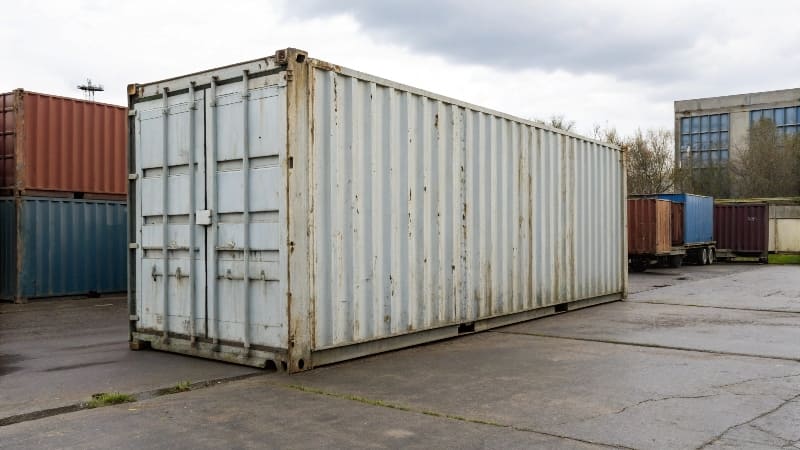
Container homes made from used units must pass checks for corrosion, deformation, and hazardous coatings. Once reinforced and sealed, their steel bodies offer protection equal to or beyond conventional lightweight housing.
Are Container Homes Waterproof?
Container homes are waterproof when properly modified. The Corten steel shell is naturally water-resistant, but true waterproofing depends on roof slope design, joint sealing, and surface coating.
performance insight: waterproofing is a system, not a material.
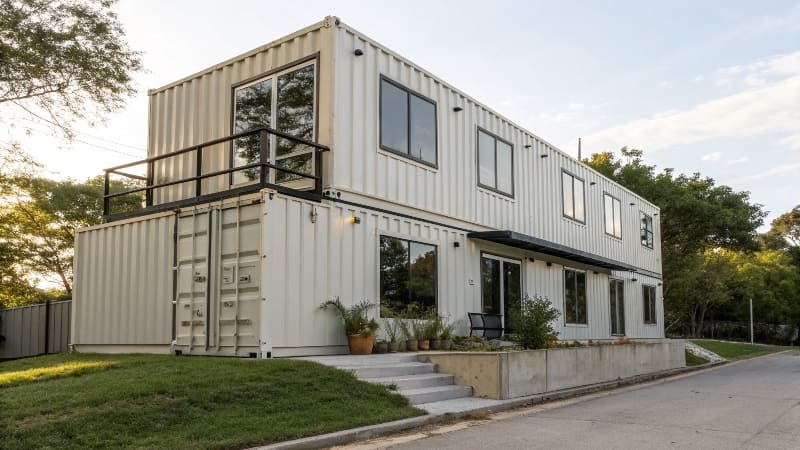
Waterproofing Checklist
| Component | Design Focus | Protection Method |
|---|---|---|
| Roof | Drainage slope and overhang | Add gutter and seal seams |
| Joints | Door and panel edges | Apply marine-grade sealant |
| Walls | Rust prevention and insulation | Use anti-corrosion coating |
| Base | Avoid ground moisture | Elevate container with foundation blocks |
Waterproof reliability comes from proper construction, not the steel itself. Even the strongest container will leak if joints and corners are left untreated.
How Long Can You Live in a Container?
With correct insulation, ventilation, and maintenance, you can live in a container for over 25 years. Many modern container homes last as long as traditional buildings when maintained properly.
TRUSUS durability insight: longevity depends on design discipline and periodic upkeep.
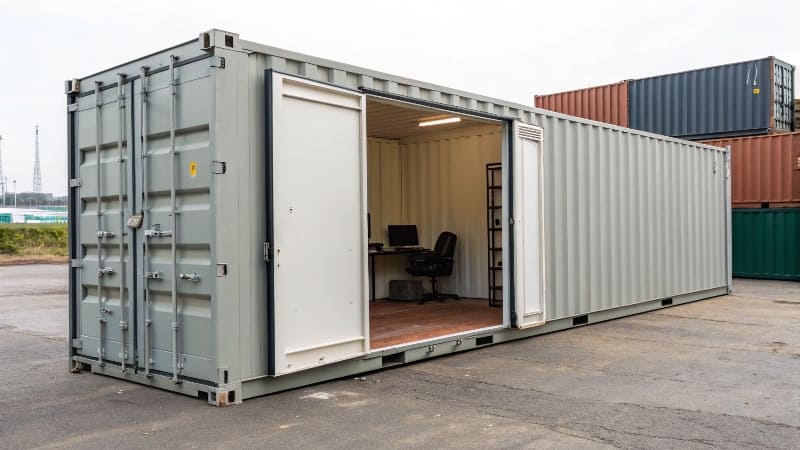
TRUSUS Durability Insights Table
| Factor | Description | Expected Lifespan |
|---|---|---|
| Untreated used container | Corrosion at weld points | 5–10 years |
| Professionally refurbished container | Structural coating and insulation added | 20–25 years |
| Full modular container home | Reinforced frame, foundation, climate control | 25+ years |
Regular surface repainting and anti-rust maintenance extend a container home’s service life, ensuring long-term safety and comfort.
What Are the Advantages and Disadvantages of Container Homes?
Container homes offer flexibility and sustainability advantages but also design and insulation challenges. They combine efficiency and mobility with engineering precision.
design insight: a home’s value lies in adaptability, not volume.
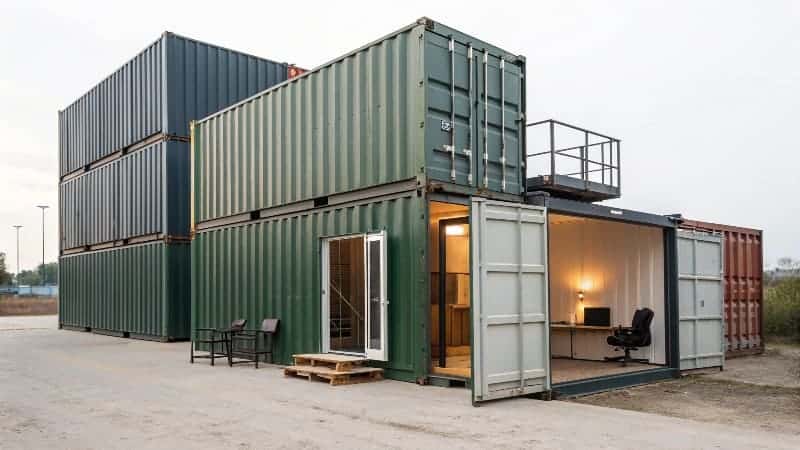
Container Home Pros and Cons
| Aspect | Advantage | Disadvantage |
|---|---|---|
| Cost | Lower construction and transportation cost | Added expense for high-end customization |
| Time | Fast build and assembly | Longer approval processes in some regions |
| Mobility | Easy relocation and reuse | Limited size per shipping standard |
| Sustainability | Reuses steel structures, reduces waste | Requires energy for thermal comfort |
| Durability | Strong against wind, seismic activity | Needs anti-rust treatment in humid areas |
Container living shows how sustainability and design can merge when materials and systems are respected, not improvised.
Conclusion
Used containers can be safe, durable, and comfortable living spaces when treated as part of a full architectural system. From waterproofing to insulation, every detail defines safety. At TRUSUS, I see container homes not as temporary shelters but as flexible, sustainable, and forward-looking assets that reflect modern building intelligence.
