




Are Shipping Containers Depreciated?
Yes, shipping containers are depreciated because they are treated as fixed assets used to generate economic value over time. Most businesses record containers as equipment or transport assets and apply annual depreciation based on accounting and tax regulations.
TRUSUS asset insight: more buyers now view shipping containers as long-term financial assets instead of simple transport tools.
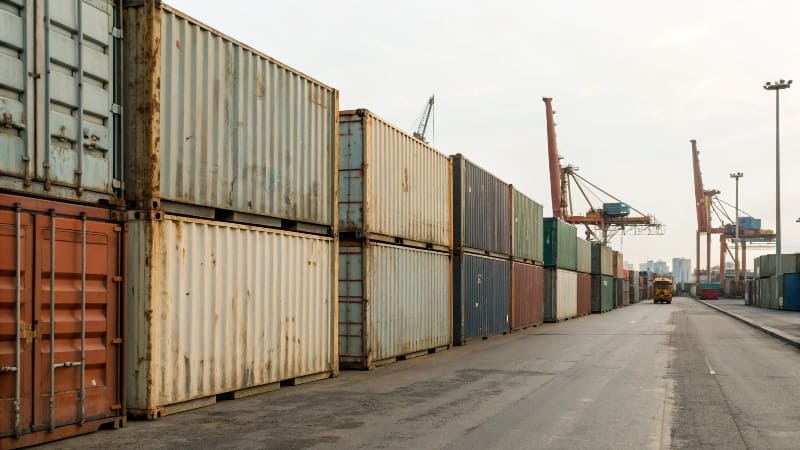
I increasingly see investors, leasing companies, and financial managers ask about depreciation because containers are now part of broader asset-management strategies.
Containers have entered the investment conversation.
Why Containers Are Depreciated
| Reason | Explanation |
|---|---|
| Physical wear | Usage reduces condition over time |
| Market aging | Older units lose resale value |
| Revenue generation | Assets must be accounted for financially |
Depreciation reflects asset consumption.
Common Accounting Classification
| Classification Type | Typical Use |
|---|---|
| Transport equipment | Logistics operations |
| Fixed assets | Long-term ownership |
| Operational equipment | Rental or commercial use |
Classification depends on business purpose.
Why Depreciation Matters
| Financial Benefit | Impact |
|---|---|
| Expense allocation | Better profit reporting |
| Tax deduction | Reduced taxable income |
| Asset planning | Lifecycle cost management |
Depreciation supports financial control.
Typical Depreciation Methods
| Method | Main Feature |
|---|---|
| Straight-line depreciation | Equal yearly expense |
| Accelerated depreciation | Higher early-year deductions |
| Usage-based depreciation | Linked to operational intensity |
Different strategies suit different businesses.
Why Container Finance Is Expanding
| Traditional Container Market | Modern Asset Management Market |
|---|---|
| Operational purchasing | Investment-oriented ownership |
| Basic logistics function | Financial return consideration |
| Short-term usage mindset | Long-term asset planning |
Containers increasingly behave like managed capital assets.
The Industry Shift Behind Depreciation Questions
| Traditional Equipment Sales Industry | Modern Asset Investment Industry |
|---|---|
| Product transaction focus | Portfolio management focus |
| Technical specification support | Financial strategy support |
| One-time customer relationship | Long-term asset-management relationship |
I increasingly believe financial consulting will become an important extension of container industry services.
What Is The Depreciation Rate For Shipping Containers?
Shipping container depreciation rates typically range from 6% to 12% annually depending on container type, usage intensity, maintenance condition, and accounting policy. Standard dry containers usually depreciate around 8–10% per year under straight-line accounting methods.
TRUSUS investment insight: depreciation rates are not only accounting numbers. They directly influence investment returns and lifecycle asset value.
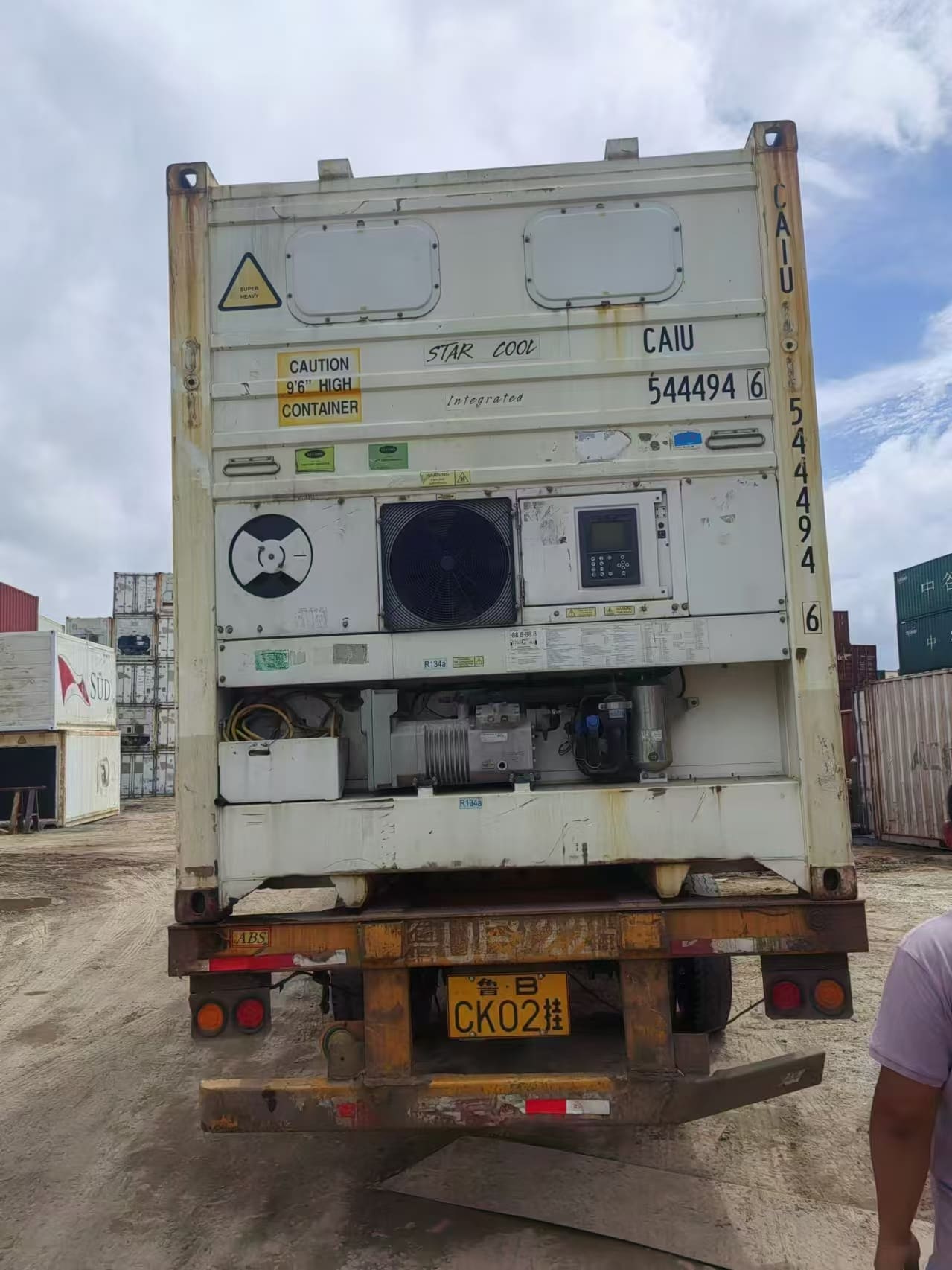
I increasingly see buyers compare container depreciation the same way they compare real estate or equipment investments.
Asset efficiency now matters more.
Typical Container Depreciation Rates
| Container Type | Typical Annual Depreciation |
|---|---|
| Standard dry container | 8–10% |
| Refrigerated container | 10–12% |
| Specialized container | 6–8% |
Different assets age differently.
Factors Affecting Depreciation
| Factor | Influence |
|---|---|
| Usage frequency | Faster wear |
| Maintenance quality | Slower value loss |
| Market demand | Better resale value |
Condition strongly affects remaining value.
Common Useful-Life Estimates
| Container Category | Typical Accounting Life |
|---|---|
| Standard shipping container | 10–15 years |
| Premium modified container | Up to 20 years |
| Heavy industrial usage | Shorter lifecycle |
Actual service life may exceed accounting life.
Why Maintenance Influences Depreciation
| Maintenance Practice | Financial Effect |
|---|---|
| Regular repainting | Higher resale value |
| Corrosion prevention | Longer operational life |
| Structural inspections | Reduced repair costs |
Asset care protects long-term returns.
Why Investors Study Depreciation Closely
| Traditional Container Buyers | Modern Financial Buyers |
|---|---|
| Purchase price focus | Return-on-investment focus |
| Operational use priority | Asset-performance priority |
| Immediate functionality | Long-term cash-flow analysis |
Containers increasingly fit structured investment thinking.
The Industry Evolution Behind Depreciation Questions
| Traditional Container Supply Market | Modern Alternative Investment Market |
|---|---|
| Equipment procurement orientation | Yield-focused investment orientation |
| Simple ownership model | Managed asset portfolio model |
| Technical support emphasis | Financial optimization emphasis |
I increasingly see container ownership integrated into professional asset-allocation strategies.
Is A Container An Equipment?
Yes, a shipping container is generally considered equipment because it is movable, independently functional, and used to support commercial operations. In accounting systems, containers are commonly classified as transport equipment or operational equipment.
TRUSUS classification insight: the definition of containers as equipment opens access to tax benefits, depreciation systems, and structured asset financing.
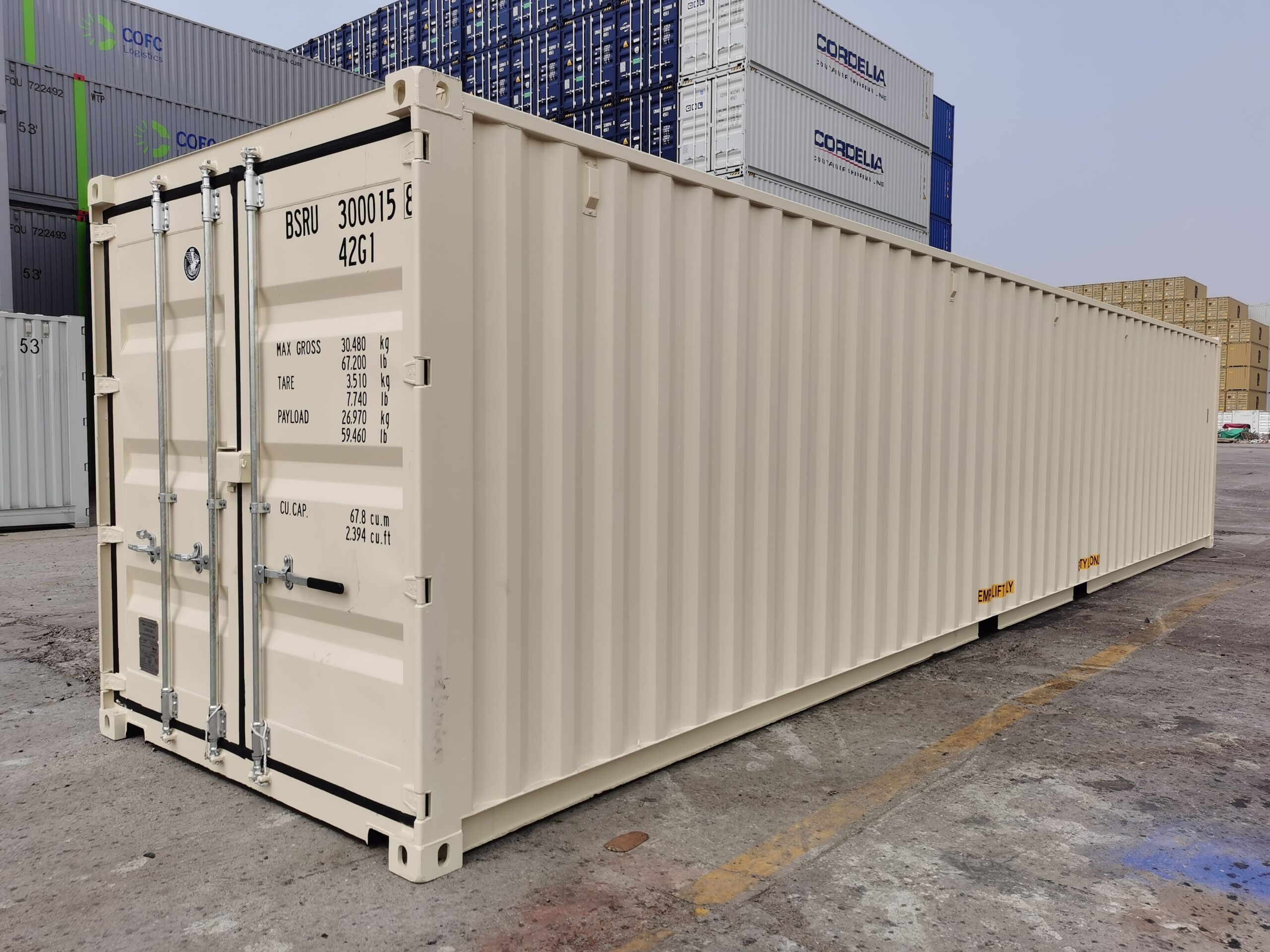
I increasingly see financial departments evaluate containers the same way they evaluate machinery or industrial equipment.
The market now treats containers much more strategically.
Why Containers Qualify As Equipment
| Equipment Characteristic | Container Qualification |
|---|---|
| Movable asset | Yes |
| Operational utility | Yes |
| Economic benefit generation | Yes |
Containers meet core equipment criteria.
Common Business Uses As Equipment
| Industry | Equipment Function |
|---|---|
| Logistics | Cargo transport |
| Construction | Site storage |
| Retail | Modular commercial space |
Applications continue expanding.
Financial Benefits Of Equipment Classification
| Benefit | Result |
|---|---|
| Depreciation eligibility | Tax efficiency |
| Financing options | Easier capital access |
| Asset reporting clarity | Better accounting structure |
Classification affects business strategy.
Why Containers Differ From Real Estate
| Shipping Container | Traditional Real Estate |
|---|---|
| Movable asset | Fixed-location asset |
| Equipment accounting | Property accounting |
| Flexible deployment | Permanent installation |
Mobility creates operational flexibility.
Why Equipment Thinking Is Growing
| Earlier Container Perception | Modern Container Perception |
|---|---|
| Temporary logistics tool | Multi-use operational asset |
| Utility-driven purchasing | Financial-performance evaluation |
| Simple ownership model | Managed equipment portfolio |
Containers now serve broader economic roles.
The Industry Shift Behind Equipment Questions
| Traditional Logistics Industry | Modern Integrated Asset Industry |
|---|---|
| Cargo transport focus | Asset productivity focus |
| Operational equipment sales | Financially optimized equipment management |
| Product specification support | Lifecycle management support |
I increasingly believe equipment-management services will become a major growth area in the container business.
Is A Container An Asset?
Yes, a shipping container is an asset because it provides future economic benefit, can generate income, and has measurable market value. Containers can function as operational assets, rental assets, investment assets, or infrastructure assets depending on how they are used.
TRUSUS investment insight: modern container ownership increasingly follows professional asset-management principles rather than simple product ownership logic.
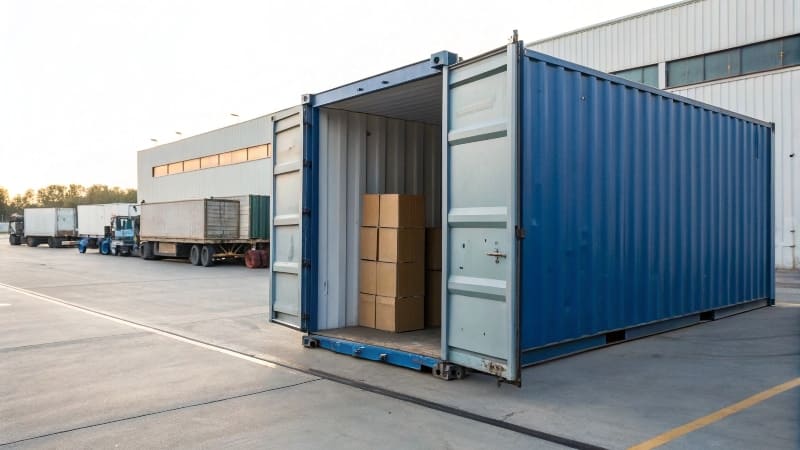
I increasingly see containers included in investment portfolios because they combine physical ownership, stable demand, and practical utility.
Containers now occupy a unique position between equipment and investment assets.
Why Containers Meet Asset Criteria
| Asset Requirement | Container Qualification |
|---|---|
| Controlled ownership | Yes |
| Economic value generation | Yes |
| Reliable cost measurement | Yes |
Containers satisfy core accounting definitions.
Common Types Of Container Assets
| Asset Type | Example |
|---|---|
| Operational asset | Company storage container |
| Rental asset | Leasing fleet |
| Investment asset | Income-producing container portfolio |
Use case determines financial strategy.
Why Containers Attract Investors
| Investment Advantage | Benefit |
|---|---|
| Physical asset backing | Tangible ownership |
| Rental income potential | Stable cash flow |
| Secondary market liquidity | Easier resale |
Containers provide diversified investment exposure.
Risks That Affect Asset Value
| Risk Factor | Possible Impact |
|---|---|
| Market oversupply | Lower rental rates |
| Corrosion damage | Reduced resale value |
| Economic slowdown | Lower utilization |
Professional management reduces investment risk.
Why Containers Are Becoming Financial Assets
| Traditional Container Ownership | Modern Asset Ownership |
|---|---|
| Functional usage mindset | Portfolio management mindset |
| Purchase-and-use model | Return-on-investment model |
| Logistics industry focus | Cross-sector investment focus |
Containers increasingly operate within financial ecosystems.
The Industry Evolution Behind Asset Questions
| Traditional Container Trading Industry | Modern Alternative Asset Industry |
|---|---|
| Product-selling orientation | Wealth-management orientation |
| Technical-sales support | Investment-consulting support |
| Equipment ownership focus | Asset-allocation strategy focus |
I increasingly see the container industry moving toward integrated financial and asset-management services.
Conclusion
At TRUSUS, I see shipping containers evolving from transport equipment into professionally managed investment assets. Future industry value will come from asset management expertise, financial optimization, lifecycle planning, and the ability to combine operational utility with long-term investment performance.
