




Are Shipping Containers a Good Investment?
Shipping containers can be profitable investments offering 8-15% annual returns through leasing, but success depends on market timing, container condition, and operational expertise.
Container leasing generates steady income streams with 8-15% annual returns depending on market conditions and container type. New container prices range $3,000-6,000 with 15-20 year service life providing long-term asset value retention. Lease rates vary $1.50-4.00 per day for standard containers with specialized units commanding premium pricing. Market volatility affects container values by 20-40% during economic cycles and trade fluctuations. Investment success requires understanding global shipping patterns, depot locations, and maintenance costs while entry barriers remain relatively low for individual investors.

From my extensive experience in both new and used container sales, I've observed that successful container investment requires treating these units as dynamic assets with multiple revenue streams rather than simple cargo boxes, with the most profitable strategies combining traditional leasing with alternative applications.
Is It Profitable to Own a Container Ship?
Container ship ownership requires massive capital investment of $50-200 million with potential returns of 10-20% annually, but involves significant operational complexity and market risks.
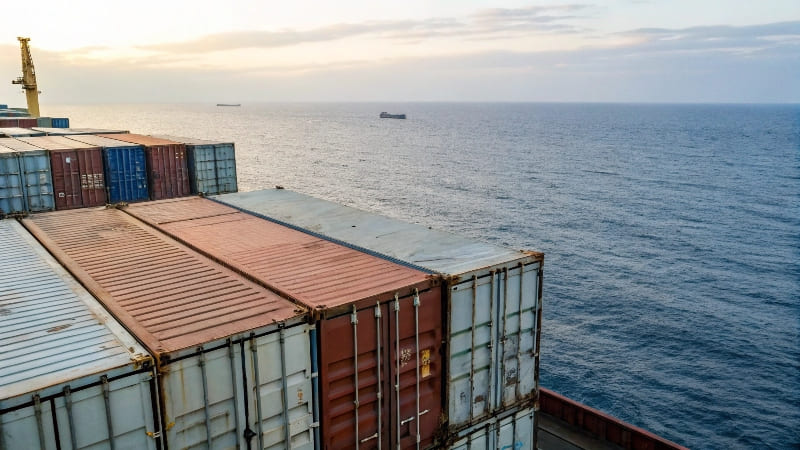
Container ship acquisition costs range $50-200 million depending on vessel size from 1,000-20,000+ TEU capacity. Daily operating expenses total $8,000-25,000 including crew wages, fuel consumption, maintenance, and insurance. Charter rates fluctuate $5,000-50,000 daily based on route demand, vessel size, and market conditions. Profitable operations require 80-90% capacity utilization with long-term contracts providing stability against spot market volatility. Ship lifecycle spans 20-25 years with residual values depending on market conditions and regulatory compliance including environmental standards.
Vessel Size Economics
Container ship profitability varies dramatically based on vessel size and operational efficiency.
| Ship Category | TEU Capacity | Purchase Cost | Daily OpEx | Charter Rates | Break-even Utilization |
|---|---|---|---|---|---|
| Feeder | 1,000-3,000 | $15-40M | $8,000-12,000 | $8,000-15,000 | 75-85% |
| Regional | 3,000-8,000 | $40-80M | $12,000-18,000 | $15,000-25,000 | 70-80% |
| Mid-size | 8,000-15,000 | $80-140M | $18,000-22,000 | $25,000-40,000 | 65-75% |
| Ultra Large | 15,000+ | $140-200M+ | $22,000-25,000 | $35,000-50,000+ | 60-70% |
Ultra large container vessels achieve the best economies of scale with lowest break-even requirements.
Operating Cost Structure
Container ship profitability depends on managing complex operational expense categories.
| Cost Category | Daily Amount | Annual Total | Percentage of OpEx | Optimization Potential |
|---|---|---|---|---|
| Fuel/Bunkers | $3,000-8,000 | $1.1-2.9M | 35-45% | High |
| Crew Wages | $1,200-2,500 | $0.4-0.9M | 15-20% | Medium |
| Maintenance | $800-2,000 | $0.3-0.7M | 10-15% | Medium |
| Insurance | $600-1,500 | $0.2-0.5M | 8-12% | Low |
| Port/Canal Fees | $1,000-3,000 | $0.4-1.1M | 12-18% | Medium |
Fuel costs represent the largest variable expense with significant optimization opportunities.
Market Risk Factors
Container shipping faces multiple risk categories affecting investment returns.
| Risk Category | Impact Level | Frequency | Mitigation Strategies | Financial Impact |
|---|---|---|---|---|
| Market Volatility | Very High | Cyclical | Long-term contracts | ±50% revenue |
| Fuel Price Changes | High | Daily | Fuel surcharges | ±20% costs |
| Regulatory Changes | High | Periodic | Compliance planning | $5-20M |
| Port Congestion | Medium | Sporadic | Route flexibility | ±10% schedule |
| Currency Fluctuation | Medium | Daily | Hedging strategies | ±5-15% revenue |
Market volatility creates the highest risk exposure requiring sophisticated risk management.
Is Owning a Shipping Container Profitable?
Individual container ownership generates 8-12% annual returns through leasing but requires careful market analysis, proper maintenance, and strategic positioning.
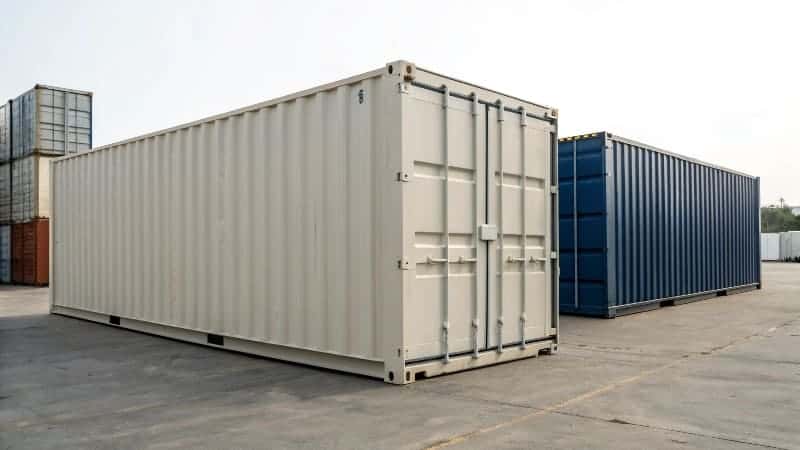
Container purchase costs $2,500-6,000 with annual lease income $800-1,800 per unit creating gross yields of 12-35% before operating expenses. Maintenance costs average $200-500 annually including repairs, inspections, and depot fees. Container positioning costs $300-800 per move significantly impacting profitability for frequent relocations. Market demand fluctuates seasonally with peak rates during harvest and holiday seasons increasing lease income by 25-50%. Investment horizon of 10-15 years allows multiple lease cycles with eventual resale at 30-50% original purchase price.
Container Investment Economics
Individual container ownership profitability depends on multiple financial and operational factors.
| Investment Factor | Conservative Scenario | Optimistic Scenario | Key Variables | Success Requirements |
|---|---|---|---|---|
| Initial Cost | $4,000-5,000 | $2,500-3,500 | Market timing | Smart purchasing |
| Annual Lease Income | $800-1,200 | $1,200-1,800 | Location/demand | Strategic positioning |
| Operating Costs | $400-600 | $200-400 | Maintenance efficiency | Preventive care |
| Net Annual Return | $400-600 (8-12%) | $600-1,200 (15-25%) | Market conditions | Active management |
| 10-Year Total ROI | 80-120% | 150-300% | Reinvestment strategy | Portfolio scaling |
Strategic positioning in high-demand markets creates the biggest profitability difference.
Lease Market Dynamics
Container leasing rates vary significantly based on geographic and seasonal factors.
| Market Factor | Rate Impact | Seasonal Pattern | Geographic Premium | Opportunity Level |
|---|---|---|---|---|
| Agricultural Exports | +30-50% | Harvest seasons | Rural locations | High |
| Manufacturing Hubs | +20-40% | Year-round | Industrial zones | Medium |
| Port Proximity | +15-25% | Shipping cycles | Major ports | Medium |
| Disaster Recovery | +50-100% | Event-driven | Affected regions | Very High |
| Construction Demand | +10-30% | Building seasons | Urban growth areas | Medium |
Agricultural export seasons create the highest premium leasing opportunities.
Portfolio Management Strategies
Successful container investment requires sophisticated portfolio management approaches.
| Strategy Type | Risk Level | Return Potential | Capital Requirements | Management Intensity |
|---|---|---|---|---|
| Single Container | High | 8-15% | $3,000-6,000 | Low |
| Small Fleet (5-10) | Medium | 10-18% | $15,000-50,000 | Medium |
| Diversified Portfolio | Low | 12-20% | $50,000-200,000 | High |
| Specialized Focus | Medium | 15-25% | $25,000-100,000 | High |
| Lease-Back Programs | Low | 8-12% | $10,000-50,000 | Very Low |
Diversified portfolios provide the best risk-adjusted returns for serious investors.
What Are the Disadvantages of Container Shipping?
Container shipping faces significant disadvantages including high capital requirements, market volatility, environmental regulations, and infrastructure dependencies limiting profitability.
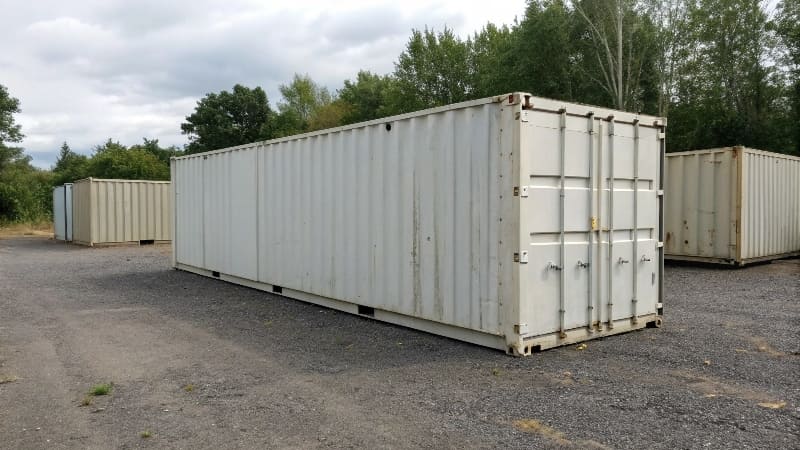
Massive capital investment requirements $50-200 million for vessels create substantial financial barriers and leverage risks. Extreme market volatility with freight rates fluctuating 300-500% during economic cycles causes unpredictable revenue streams. Stringent environmental regulations including IMO 2020 sulfur limits impose $5-15 million compliance costs per vessel. Port congestion and infrastructure bottlenecks cause schedule disruptions costing $10,000-50,000 daily. Oversupply conditions during economic downturns can reduce charter rates by 50-70% creating prolonged loss periods.
Capital and Financial Challenges
Container shipping requires enormous financial commitments with significant risk exposure.
| Financial Challenge | Impact Scale | Risk Level | Mitigation Options | Industry Response |
|---|---|---|---|---|
| High Capital Costs | $50-200M per vessel | Very High | Leasing/partnerships | Consolidation |
| Leverage Requirements | 70-80% debt financing | High | Diversified funding | Financial engineering |
| Market Cyclicality | ±50% revenue swings | Very High | Contract diversity | Vertical integration |
| Currency Exposure | Multi-currency operations | Medium | Hedging strategies | Natural hedging |
| Fuel Cost Volatility | 35-45% of operating costs | High | Surcharge mechanisms | Efficiency improvements |
High capital costs create the primary barrier to entry for container shipping investment.
Operational and Regulatory Disadvantages
Multiple operational factors limit container shipping efficiency and profitability.
| Operational Challenge | Frequency | Cost Impact | Complexity Level | Industry Solutions |
|---|---|---|---|---|
| Port Congestion | Increasing | $10-50K daily | High | Port investment |
| Environmental Compliance | Ongoing | $5-15M per vessel | Very High | Technology upgrade |
| Crew Management | Daily | 15-20% OpEx | High | Training programs |
| Security Requirements | Constant | $2-5M annually | Medium | Technology solutions |
| Weather Delays | Seasonal | $5-25K per event | Medium | Route optimization |
Environmental compliance represents the fastest-growing operational challenge.
Market Structure Limitations
Container shipping industry structure creates inherent disadvantages for participants.
| Market Limitation | Impact on Profitability | Competitive Response | Long-term Trend | Strategic Implications |
|---|---|---|---|---|
| Overcapacity | Severe rate pressure | Capacity discipline | Consolidation | Scale advantages |
| Commoditization | Margin compression | Service differentiation | Digitalization | Value-added services |
| Customer Concentration | Negotiating weakness | Alliance formation | Power consolidation | Relationship management |
| Regulatory Fragmentation | Compliance costs | Standardization efforts | Harmonization | Regulatory expertise |
| Infrastructure Constraints | Service limitations | Private investment | Public-private partnerships | Strategic positioning |
Industry overcapacity creates the most persistent profitability challenge.
Technology and Innovation Pressures
Rapid technological change creates ongoing investment pressures and obsolescence risks.
| Technology Challenge | Investment Required | Implementation Timeline | Competitive Necessity | ROI Uncertainty |
|---|---|---|---|---|
| Digital Transformation | $10-50M | 3-5 years | High | Medium |
| Autonomous Systems | $20-100M | 5-10 years | Medium | High |
| Alternative Fuels | $15-75M per vessel | 2-7 years | High | High |
| IoT/Monitoring Systems | $1-5M | 1-2 years | High | Low |
| Blockchain Integration | $5-20M | 2-4 years | Medium | High |
Alternative fuel compliance represents the most urgent and expensive technology challenge.
Conclusion
Shipping containers can be profitable investments offering 8-15% annual returns through leasing with new container prices ranging $3,000-6,000 and 15-20 year service life while lease rates vary $1.50-4.00 per day and market volatility affects values by 20-40%. Container ship ownership requires massive capital investment of $50-200 million with daily operating expenses totaling $8,000-25,000 and charter rates fluctuating $5,000-50,000 daily requiring 80-90% capacity utilization for profitability. Individual container ownership generates 8-12% annual returns with purchase costs $2,500-6,000 and annual lease income $800-1,800 per unit while maintenance costs average $200-500 annually and positioning costs $300-800 per move. Container shipping disadvantages include high capital requirements of $50-200 million per vessel with extreme market volatility causing 300-500% freight rate fluctuations and stringent environmental regulations imposing $5-15 million compliance costs while port congestion causes $10,000-50,000 daily losses. Success in container investments depends on understanding that profitability requires active management, strategic positioning, and treating containers as dynamic assets with multiple revenue streams rather than simple transportation equipment, with the most sustainable returns coming from diversified portfolios and alternative applications beyond traditional shipping.
