




Are "One-Trip" containers the only safe choice for Guyana coastal builds?
No, One-Trip containers are not the only safe choice for Guyana coastal builds. certified used containers with proper structural inspection, comprehensive rust treatment, marine-grade protective coatings, structural reinforcement where needed, and professional modification can provide equal safety and durability at 40-60% lower cost while meeting all building safety standards for coastal construction.
Structural inspection verifies container integrity ensuring safe foundation for building conversion. Rust treatment removes existing corrosion and prevents further degradation through marine-grade protective systems. Protective coatings provide long-term defense against salt air and tropical humidity. Structural reinforcement addresses any weaknesses through professional engineering. Professional modification ensures building code compliance and occupant safety. Cost savings of 40-60% make quality housing more accessible.
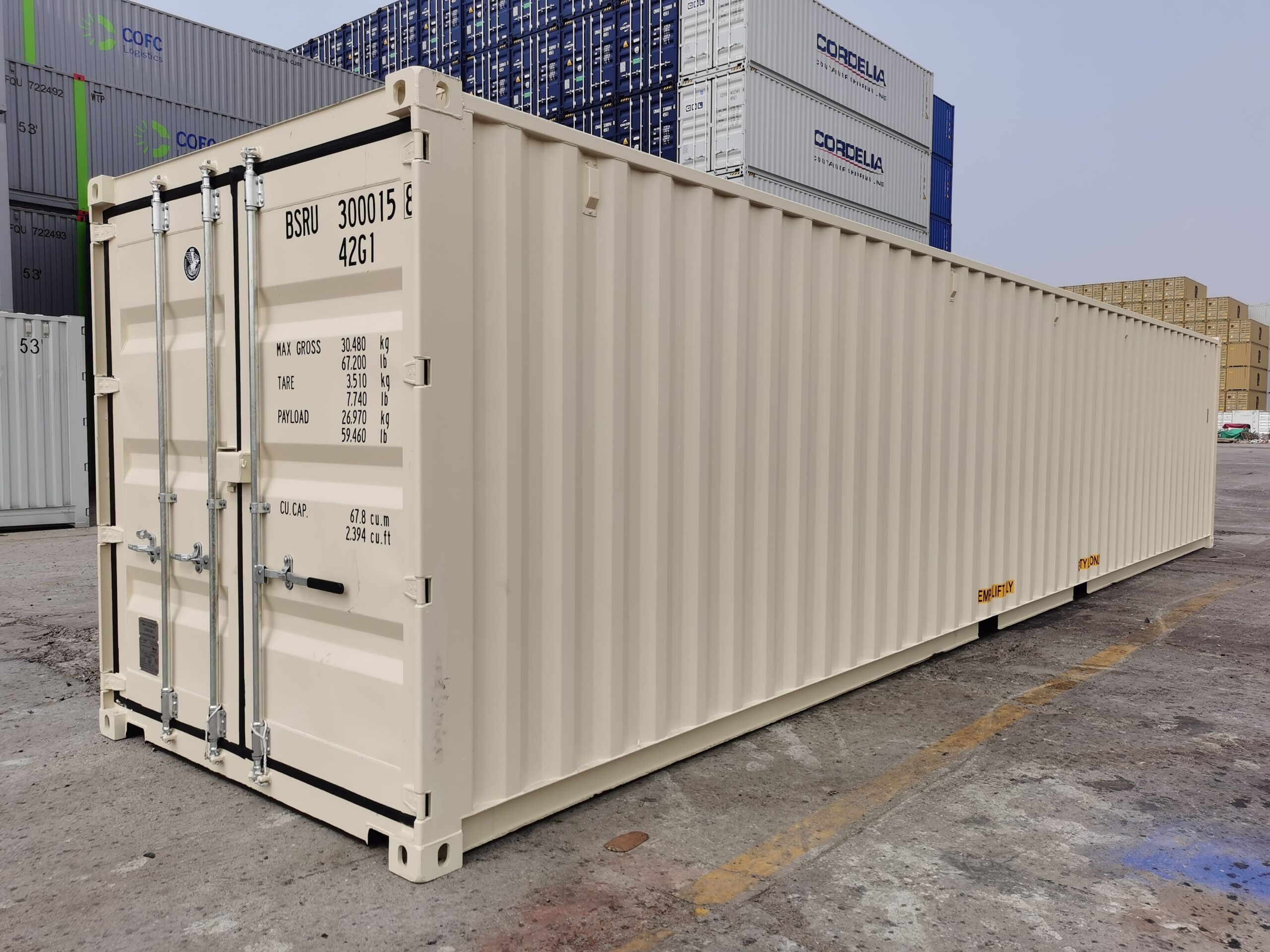
From my extensive experience working with both new and used containers for coastal construction projects, I've found that properly treated used containers often outperform new ones due to the comprehensive refurbishment process they undergo.
How to Treat the Underside of a Container for Long-term Rust Protection?
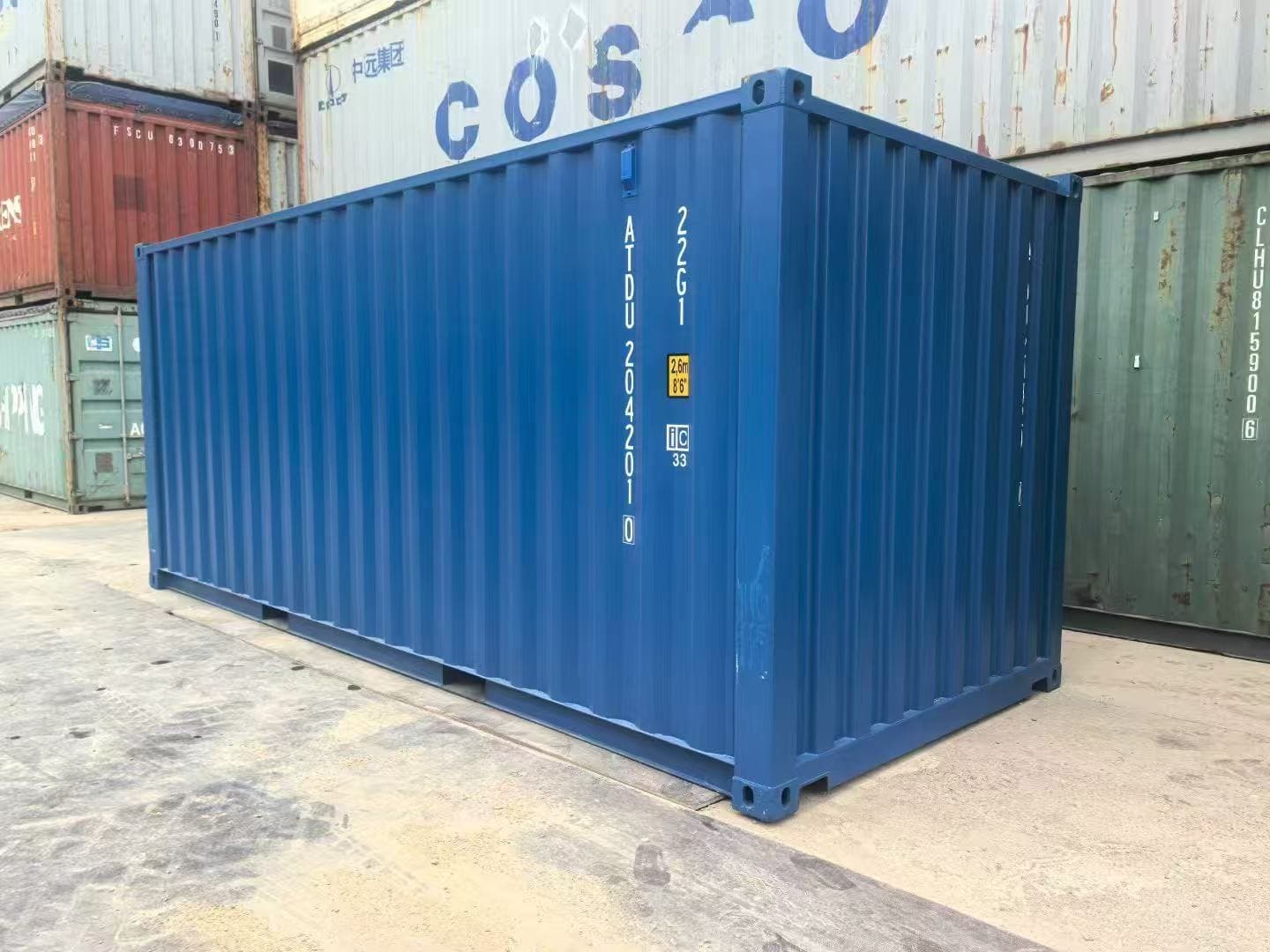
Treat container undersides for long-term rust protection using marine-grade treatment system: abrasive blasting to remove existing rust and coatings, epoxy primer application for corrosion barrier, polyurethane topcoat for UV and moisture resistance, zinc-rich primer for sacrificial protection, and elevated foundation design ensuring airflow and moisture management.
Abrasive blasting removes all existing rust, paint, and surface contaminants down to bare metal. Epoxy primer creates corrosion barrier preventing moisture penetration and electrochemical reactions. Polyurethane topcoat provides UV resistance and final moisture barrier. Zinc-rich primer offers sacrificial protection through cathodic protection principles. Elevated foundations ensure airflow circulation preventing moisture accumulation and ground contact corrosion.
Marine-Grade Treatment System
Comprehensive underside protection specifications for container buildings in coastal environments.
| Treatment Layer | Product Specification | Thickness | Performance Duration | Corrosion Resistance |
|---|---|---|---|---|
| Surface Preparation | SA 2.5 blast standard | - | Foundation requirement | Complete contamination removal |
| Zinc-Rich Primer | 95% zinc content | 75-100 microns | 15+ years | Sacrificial protection |
| Epoxy Barrier | Marine-grade epoxy | 150-200 microns | 20+ years | Moisture barrier |
| Polyurethane Topcoat | UV-resistant formula | 75-100 microns | 15+ years | Weather protection |
| Total System | 4-layer protection | 300-400 microns | 25+ years | Complete protection |
Multi-layer system provides comprehensive long-term protection against coastal corrosion.
Foundation and Drainage Design
Foundation specifications ensuring proper airflow and moisture management.
| Foundation Aspect | Design Requirement | Recommendation | Performance Benefit | Maintenance Advantage |
|---|---|---|---|---|
| Elevation Height | 450mm minimum | 600mm recommended | Complete airflow | Easy inspection access |
| Support Points | Corner and cross-beam | 8-point system | Even load distribution | Structural stability |
| Drainage Slope | 1% minimum | 2% recommended | Rapid water removal | Prevents pooling |
| Ventilation Gaps | 100mm minimum | 150mm recommended | Air circulation | Moisture prevention |
| Access Clearance | 300mm minimum | 450mm recommended | Maintenance access | Easy inspection |
Proper foundation design critical for long-term underside protection.
Treatment Process and Quality Control
Step-by-step treatment process with quality control checkpoints.
| Process Step | Procedure | Quality Standard | Environmental Control | Durability Impact |
|---|---|---|---|---|
| Surface Preparation | Abrasive blasting | SA 2.5 cleanliness | Dry conditions | Foundation for adhesion |
| Primer Application | Spray application | 95% zinc content | <85% humidity | Corrosion protection |
| Barrier Coating | Professional spray | Even thickness | Temperature 15-30°C | Moisture barrier |
| Topcoat Application | Multi-pass spray | Uniform coverage | No rain 24 hours | Final protection |
| Final Inspection | Thickness testing | Specification compliance | Complete cure | Performance validation |
Quality control ensures maximum protection performance.
Can a Container House Stay Cool During a Guyana Power Outage?
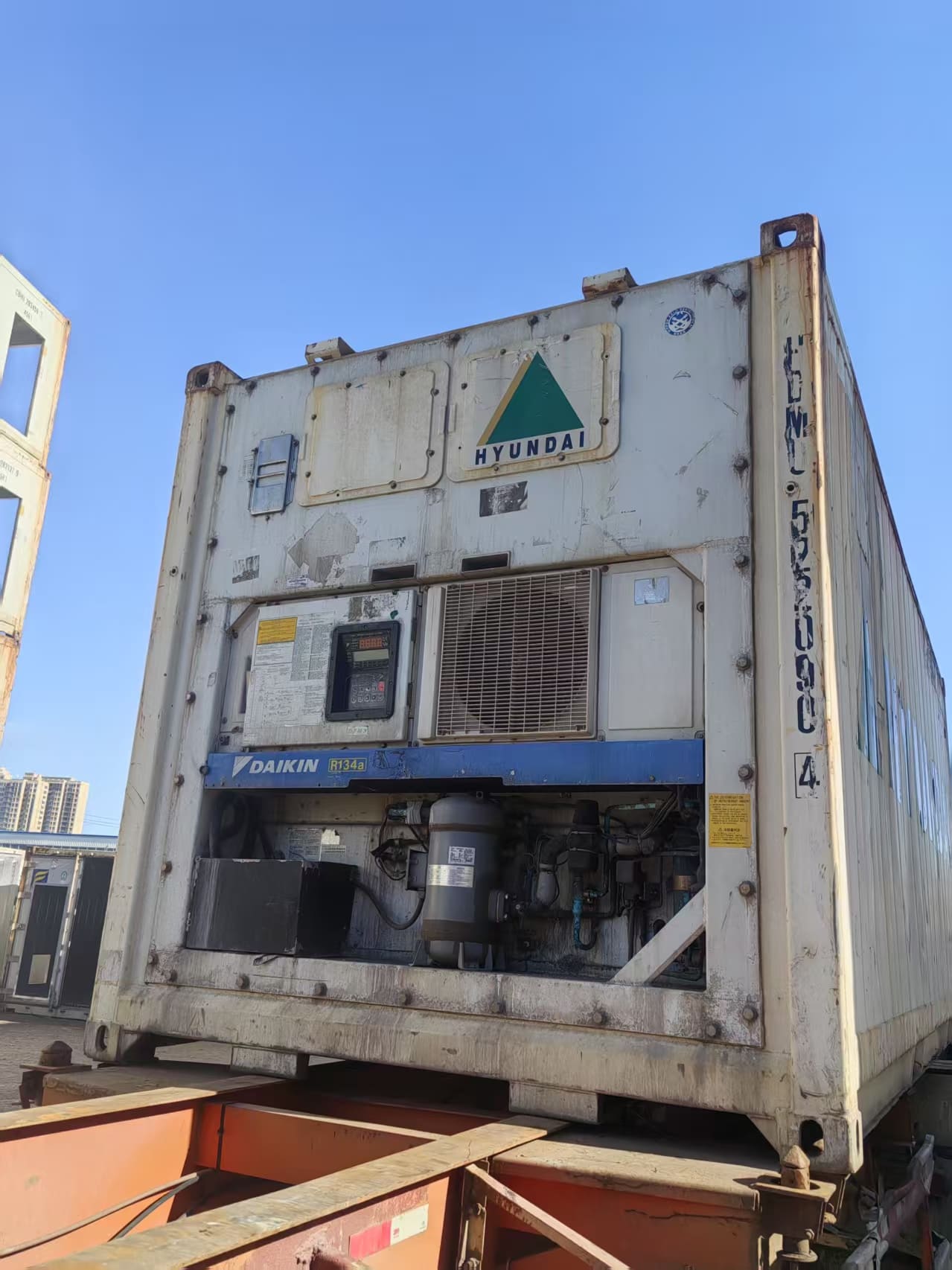
Yes, a properly designed container house can stay cool during Guyana power outages through thermal management systems including reflective roof coatings reducing heat absorption by 70%, high-performance insulation maintaining interior temperatures, strategic ventilation design enabling natural airflow, thermal mass integration moderating temperature swings, and passive cooling features requiring no electricity.
Reflective coatings reduce solar heat absorption by 70% maintaining cooler exterior surfaces. High-performance insulation with R-15+ rating prevents heat transfer through container walls. Strategic ventilation creates natural airflow through cross-ventilation design. Thermal mass integration using concrete floors moderates temperature swings. Passive cooling features including overhangs and vegetation provide comfort without electricity.
Thermal Management System
Complete thermal management specifications for container houses in tropical climates.
| Cooling Strategy | Technology Application | Temperature Reduction | Energy Independence | Implementation Cost |
|---|---|---|---|---|
| Reflective Roof | Cool roof coating | 8-12°C reduction | 100% passive | $15-25/m² |
| Wall Insulation | Spray foam system | 6-10°C improvement | 100% passive | $35-50/m² |
| Ventilation Design | Natural airflow | 4-8°C cooling effect | 100% passive | $10-20/m² |
| Thermal Mass | Concrete integration | 3-5°C moderation | 100% passive | $25-40/m² |
| Shading Systems | Overhangs/vegetation | 5-8°C shade cooling | 100% passive | $20-35/m² |
Comprehensive system maintains comfort without electrical power.
Natural Ventilation Design Principles
Ventilation design specifications for passive cooling in container houses.
| Ventilation Feature | Design Specification | Airflow Capacity | Cooling Effect | Maintenance Requirement |
|---|---|---|---|---|
| Cross Ventilation | Opposing window placement | 15-20 air changes/hour | High effectiveness | Annual cleaning |
| Stack Ventilation | High outlet design | 10-15 air changes/hour | Moderate effectiveness | Semi-annual check |
| Window Sizing | 10% floor area minimum | Variable flow rates | Size dependent | Regular operation |
| Clerestory Windows | Upper wall placement | Enhanced stack effect | Very effective | Quarterly cleaning |
| Ventilation Louvers | Adjustable airflow | Controlled ventilation | User dependent | Monthly adjustment |
Natural ventilation provides effective cooling without energy consumption.
Temperature Performance Analysis
Temperature performance comparison for different container house configurations.
| Configuration | Peak Interior Temp | Power Outage Comfort | Cooling Effectiveness | Investment Level |
|---|---|---|---|---|
| Basic Container | 42-48°C | Uncomfortable | Poor | Minimal |
| Insulated Only | 32-38°C | Marginal comfort | Fair | Low |
| Standard | 26-32°C | Comfortable | Good | Moderate |
| Premium | 24-29°C | Very comfortable | Excellent | Higher |
| Full Passive System | 22-27°C | Optimal comfort | Outstanding | Premium |
systems deliver comfortable temperatures during power outages.
How to Design Cross-Ventilation for a Container Home in the Guyana Sun?
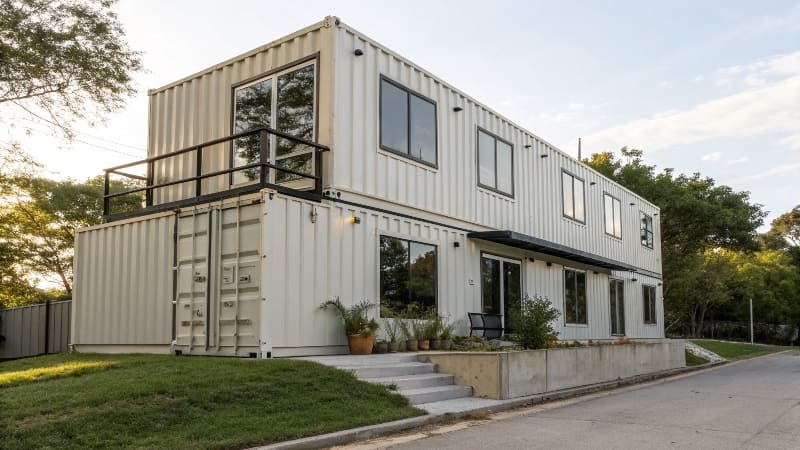
Design cross-ventilation for container homes in Guyana sun using ventilation planning with prevailing wind analysis determining optimal window placement, high-low opening configuration creating thermal stack effect, strategic shading preventing direct solar heat while maintaining airflow, adjustable louver systems controlling ventilation rates, and vegetation barriers filtering hot air while preserving cooling breezes.
Prevailing wind analysis determines optimal window placement for maximum airflow capture. High-low configuration creates thermal stack effect enhancing natural air movement. Strategic shading prevents direct solar heat while maintaining airflow paths. Adjustable louvers provide ventilation control adapting to changing conditions. Vegetation barriers filter hot air while preserving cooling breezes from favorable directions.
Ventilation Design Methodology
Systematic approach to cross-ventilation design for container homes in tropical climates.
| Design Phase | Analysis Method | Technical Requirement | Performance Target | Design Output |
|---|---|---|---|---|
| Wind Assessment | Weather data analysis | 5-year wind patterns | Optimal orientation | Site-specific layout |
| Opening Design | CFD modeling | 15% opening ratio | 20+ air changes/hour | Window specifications |
| Shading Integration | Solar path analysis | 100% midday shading | Temperature reduction | Overhang dimensions |
| Airflow Optimization | Pressure differential | Stack effect enhancement | Natural ventilation | Vent placement |
| Performance Validation | Field testing | Comfort verification | Temperature targets | System refinement |
Scientific approach ensures optimal ventilation performance.
Strategic Window Placement
Window placement specifications for maximum cross-ventilation effectiveness.
| Ventilation Zone | Window Configuration | Size Specification | Height Placement | Directional Orientation |
|---|---|---|---|---|
| Inlet Windows | Low placement | 1.2m x 0.8m minimum | 0.3-0.8m above floor | Northeast/southeast |
| Outlet Windows | High placement | 1.0m x 0.6m minimum | 2.0-2.4m above floor | Southwest/northwest |
| Clerestory Vents | Ridge placement | 0.5m x full length | Roof level | All orientations |
| Cross Flow | Opposing walls | Equal inlet/outlet area | Varied heights | Perpendicular to wind |
| Stack Vents | Vertical alignment | Progressive sizing | Floor to ceiling | Thermal gradient |
Strategic placement maximizes natural airflow effectiveness.
Shading and Airflow Integration
Integration strategies balancing solar protection with ventilation requirements.
| Shading Element | Design Specification | Airflow Impact | Solar Protection | Maintenance Need |
|---|---|---|---|---|
| Fixed Overhangs | 1.2m projection | Minimal restriction | 80% sun blocking | Annual cleaning |
| Adjustable Awnings | Variable projection | Flexible control | 90% when deployed | Quarterly adjustment |
| Vegetation Screens | Permeable barriers | 20% flow reduction | 70% filtered shade | Regular pruning |
| Louver Systems | Adjustable slats | Variable resistance | Controllable shading | Monthly operation |
| Pergola Structures | Open framework | Minimal impact | 60% dappled shade | Annual maintenance |
Integrated design balances solar protection with ventilation needs.
Airflow Enhancement Techniques
Advanced techniques for maximizing natural ventilation effectiveness.
| Enhancement Method | Technical Application | Performance Gain | Implementation Cost | Energy Savings |
|---|---|---|---|---|
| Venturi Effect | Constricted openings | 25% flow increase | Low cost | High savings |
| Thermal Chimneys | Vertical air columns | 40% enhancement | Moderate cost | Very high savings |
| Wind Catchers | Directional scoops | 60% improvement | Higher cost | Maximum savings |
| Evaporative Cooling | Water features | 30% temperature drop | Moderate cost | High comfort gain |
| Night Flush | Cool night air | 50% thermal recovery | Minimal cost | High effectiveness |
Enhancement techniques significantly improve passive cooling performance.
Performance Monitoring and Optimization
Monitoring systems for optimizing cross-ventilation performance.
| Monitoring Parameter | Measurement Method | Target Range | Adjustment Trigger | Optimization Action |
|---|---|---|---|---|
| Air Temperature | Digital sensors | 24-28°C | >30°C sustained | Increase ventilation |
| Air Movement | Anemometer readings | 0.5-2.0 m/s | <0.3 m/s | Adjust openings |
| Humidity Levels | Hygrometer monitoring | 45-65% RH | >70% RH | Enhance air exchange |
| Comfort Index | PMV calculations | -0.5 to +0.5 | Outside range | System modification |
| Energy Usage | Power monitoring | Minimal cooling load | High consumption | Passive improvement |
Continuous monitoring enables performance optimization and comfort maintenance.
Cost-Benefit Analysis
Economic analysis of cross-ventilation systems versus mechanical cooling alternatives.
| Cooling System | Installation Cost | Operating Cost | Comfort Level | 15-Year Total Cost | Sustainability Rating |
|---|---|---|---|---|---|
| Cross-Vent | $2,500-4,000 | $0/year | High comfort | $2,500-4,000 | Excellent |
| Basic Mechanical AC | $3,000-5,000 | $1,200-2,000/year | High comfort | $21,000-35,000 | Poor |
| Hybrid System | $4,000-6,000 | $600-1,000/year | Optimal comfort | $13,000-21,000 | Good |
| Ceiling Fans Only | $500-1,000 | $200-400/year | Moderate comfort | $3,500-7,000 | Fair |
| No Cooling System | $0 | $0/year | Poor comfort | $0 | Variable |
Cross-ventilation systems provide optimal cost-performance and sustainability.
Conclusion
One-Trip containers are not the only safe choice for Guyana coastal builds - certified used containers with proper structural inspection, comprehensive rust treatment, marine-grade protective coatings, structural reinforcement, and professional modification provide equal safety and durability at 40-60% lower cost. Treat container undersides using abrasive blasting, epoxy primer, polyurethane topcoat, zinc-rich primer, and elevated foundation design ensuring airflow and moisture management. Container houses can stay cool during power outages through reflective roof coatings reducing heat absorption by 70%, high-performance insulation, strategic ventilation, thermal mass integration, and passive cooling features requiring no electricity.
