




Are High Cube Containers Worth the Cost?
Customers often hesitate when comparing prices between standard containers and high cubes. The question that arises—does an extra 30 centimeters of height really justify the extra cost?
Yes, high cube containers are worth the price for users who need increased cargo flexibility, better spatial performance, and higher reusability value. The added height improves efficiency for lightweight, bulky goods and enhances reuse potential in architecture and storage applications.
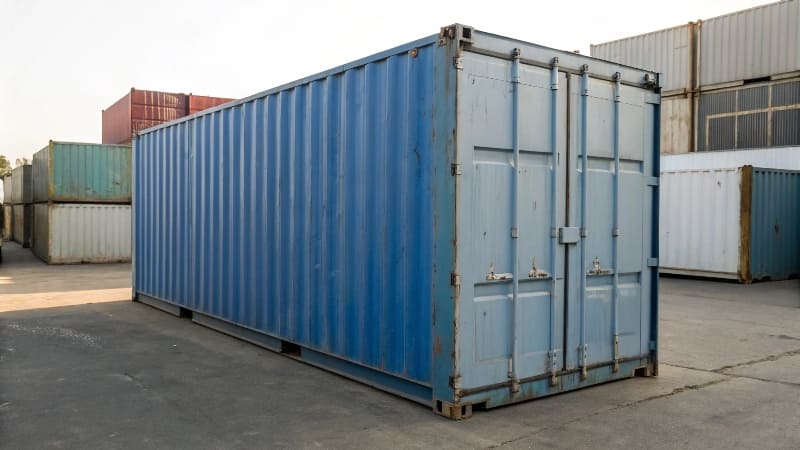
After years trading and modifying containers, I’ve found the real value of high cubes isn’t just in added volume—it’s in how they allow businesses and designers to unlock more use cases across multiple industries.
How Long Do High Cube Containers Last?
Buyers often worry about durability differences between high cube and standard units. Interestingly, both share the same materials, production standards, and maintenance cycle requirements.
A high cube container typically lasts 15 to 25 years, just like a standard container. The lifespan depends on environmental conditions, usage frequency, and proper upkeep of paint, seals, and flooring.

Longevity and Maintenance Principles
In years working with container fleets, I’ve measured lifespan variations mainly caused by external environment rather than height differences. High cubes are built with Corten steel, resistant to corrosion and weather fluctuation, ensuring similar lifespan performance.
Environmental Exposure: Containers near coastal areas face salt corrosion; timely repainting and rust removal maintain lifespan performance.
Usage Frequency: Shipping containers with high turnover degrade faster due to lifting and loading stress. Retired high cubes used for storage or buildings often last longer.
Floor and Seal Maintenance: Regular inspection of wooden floors and door gaskets prevents internal moisture damage—a major factor in lifespan reduction.
| Factor | Impact on Lifespan | Recommended Practice |
|---|---|---|
| Material Quality | Determines core strength | Choose Corten steel |
| Maintenance | Extends usable years | Scheduled repainting |
| Frequency of Use | High usage shortens life | Rotate container units |
| Climate | Corrosion potential | Use anti-rust coating |
| Second-Life Application | Lower load use | Extends beyond 25 years |
The structural durability of a high cube ensures it can easily transition from cargo transport to architectural or commercial reuse, becoming an asset that lasts far beyond its logistics phase.
What Are the Benefits of Using a High Cube?
While the price difference may seem small, the benefits across space utilization, design flexibility, and resale value make high cubes a strategic investment for professional buyers.
High cube containers provide greater storage volume, better spatial feel for conversion projects, improved cargo efficiency for large but lightweight goods, and higher resale or reuse potential across industries.
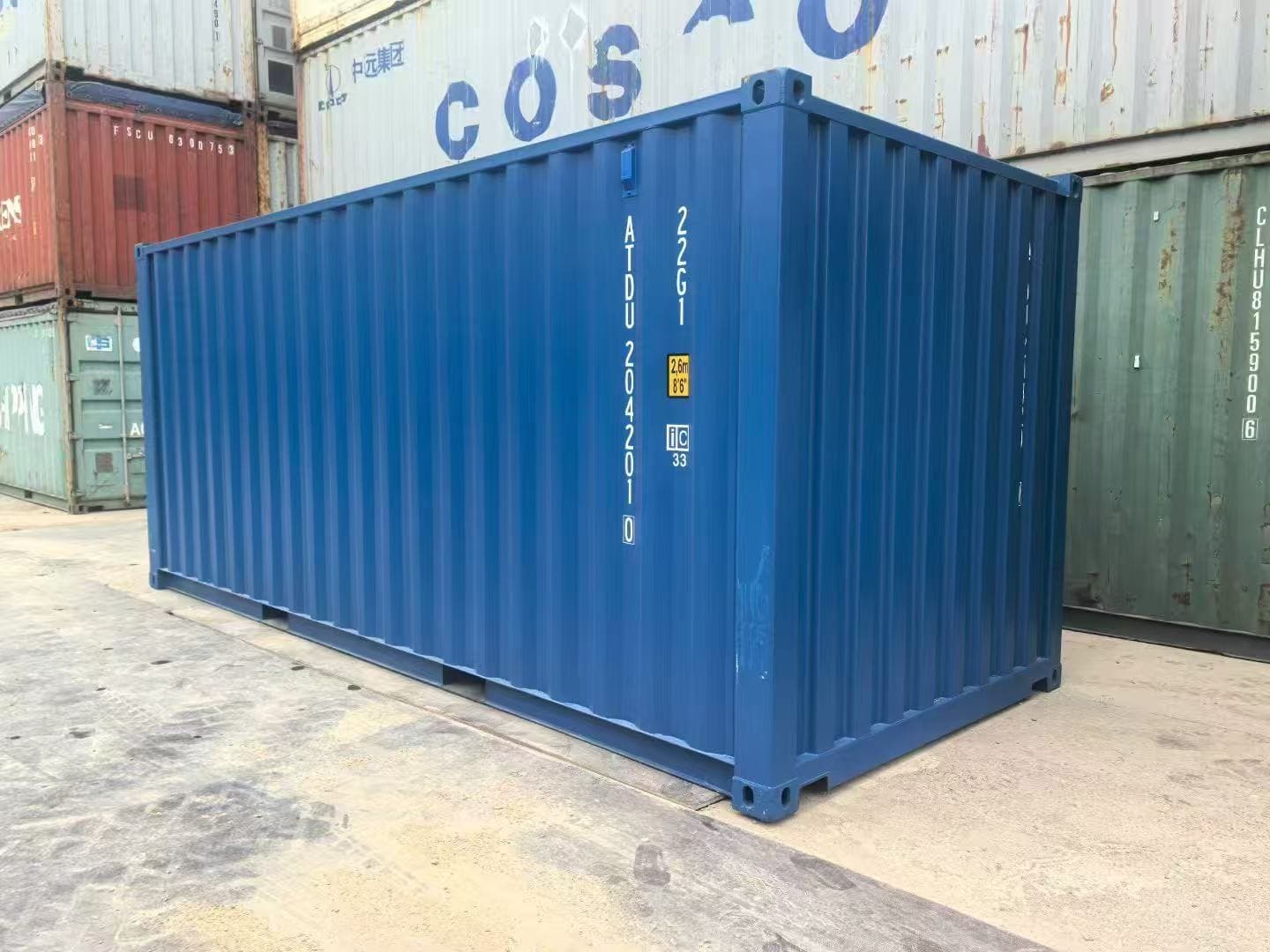
Functional and Economic Advantages
Throughout container sales and redesign projects, I’ve observed three main benefits of high cubes that make them preferred by logistics companies and creative builders alike.
1. Increased Volume: The internal height of 2.89 meters compared to 2.59 meters in standard containers offers roughly 12% more storage capacity—valuable for high-stack loading.
2. Improved Conversion Usability: For architecture or modular projects, high cubes create more headroom, allowing better ventilation, space comfort, and design flexibility.
3. Higher Asset Value: Their demand in housing, storage, and commercial projects ensures better resale potential, making them not only transport tools but lasting physical assets.
4. Enhanced Equipment Compatibility: Ideal for machinery, furniture, and volumetric cargo where vertical space directly translates into efficiency.
| Benefit Category | Description | Typical Advantage |
|---|---|---|
| Extra Height | +30 cm interior space | 12% more volume |
| Comfort Level | Increased air space | Better conversion conditions |
| Resale Opportunity | Broader usability | Higher market demand |
| Lightweight Cargo Adaptability | Handles bulky goods | Shipping efficiency |
| Architectural Reusability | Design potential | Extended lifespan |
The return on high cube investment extends beyond immediate shipment advantages—it lies in longer utility and adaptability to multiple industries.
What Is the Difference Between a Standard and High Cube Container?
At first glance, they look nearly identical—same materials, width, and length—but the extra 30 centimeters of height quietly changes logistical capacity and reuse performance.
A standard container measures 8’6” in height, while a high cube measures 9’6”. This extra foot increases cubic capacity and allows more flexibility for stacking, construction modification, and storage optimization.
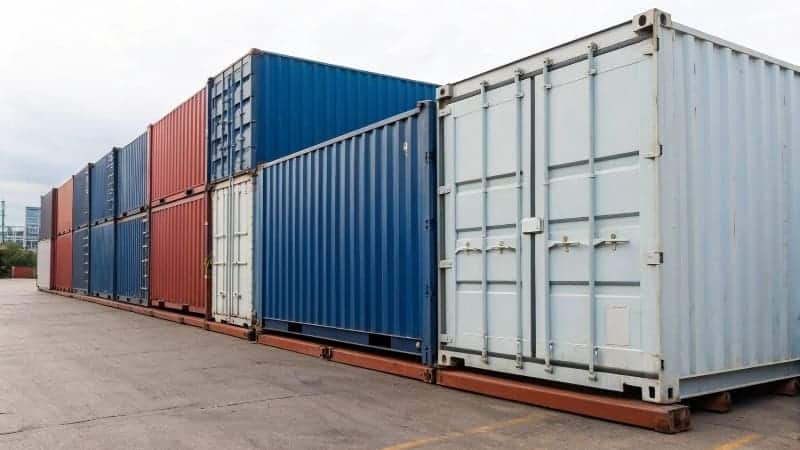
Technical and Functional Comparison
I often explain these distinctions to clients before shipping arrangement or architectural purchase decisions. Structurally, both share the same base frame, thickness, and load grade. Operationally, high cubes deliver improved air circulation and occupant comfort when repurposed.
| Specification | Standard Container | High Cube Container | Difference |
|---|---|---|---|
| Height | 8’6” (2591 mm) | 9’6” (2896 mm) | +304 mm |
| Internal Volume | ~33.2 m³ | ~37.4 m³ | +12% |
| Weight Capacity | Same | Same | Equal strength |
| Usage Examples | Shipping, storage | Conversion, light cargo | Flexible design |
| Market Price | Slightly lower | 5–10% higher | Dependent on region |
Though the visible difference is minimal, the functional advantage becomes significant across use cases from industrial logistics to creative architecture—making high cubes a practical and forward-looking choice.
Conclusion
High cube containers justify their higher cost through lasting value and adaptable design. Lifespan averages 15–25 years, equal to standard containers. Benefits include expanded volume, better architectural usability, and higher resale potential. The extra 30 centimeters bring not only more space but more opportunity—turning containers from transport tools into flexible, durable assets for logistics, housing, and modular development industries.
