




Are Container Prices Negotiable?
Every buyer wonders whether container prices are fixed or open to discussion, especially when comparing offers from logistics firms or container suppliers.
Yes, container prices are negotiable. Final costs depend on container condition, market steel prices, location, delivery fees, and whether the container is new, used, or modified for special projects.
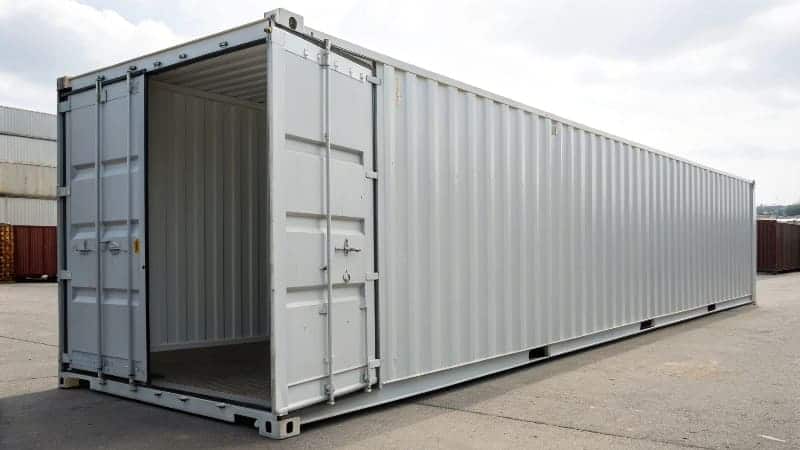
Through years in this industry, I’ve learned that negotiation is not about pushing the price down but understanding what value the container brings to your specific usage and how to align expectations with current market conditions.
How Do I Negotiate Container Shipping Rates?
Many clients only ask for discounts but overlook how shipping rates are formed. Rate variation often comes from factors outside the seller’s control, like seasonal demand or port congestion.
To negotiate container shipping rates effectively, compare multiple quotes, understand seasonal pricing, and clarify what's included—transport, drop-off, or storage. Communicating clear volume and delivery schedules helps suppliers offer better terms.
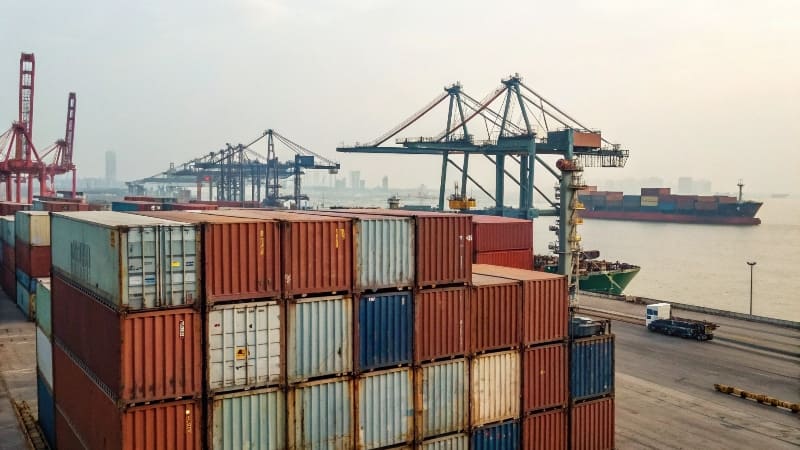
Understanding Rate Negotiation Logic
When I guide buyers, I encourage focusing not just on final numbers but on cost transparency. Asking what’s included in shipping reveals hidden savings opportunities and builds trust.
| Factor | Why It Matters | How to Leverage It |
|---|---|---|
| Shipping Distance | Longer routes increase cost | Optimize location sourcing |
| Container Quantity | Bulk orders attract better deals | Combine purchases where possible |
| Off-Season Demand | Lower logistics congestion | Book during quiet periods |
| Delivery Method | On-site crane or flatbed? | Confirm handling fees |
| Fuel and Port Fees | Dynamic pricing impact | Lock rates early |
Negotiations improve when both sides understand price drivers rather than treating it as random discounting.
How Much Should I Pay for a 20 Foot Container?
There isn’t a single market price, as costs shift monthly with steel and shipping trends. Many buyers assume used containers have consistent pricing, but condition and certification change everything.
As of recent markets, a standard 20-foot used container costs between USD 1,800 and USD 3,000, while new ones range from USD 3,000 to USD 5,000 depending on location and supply availability.
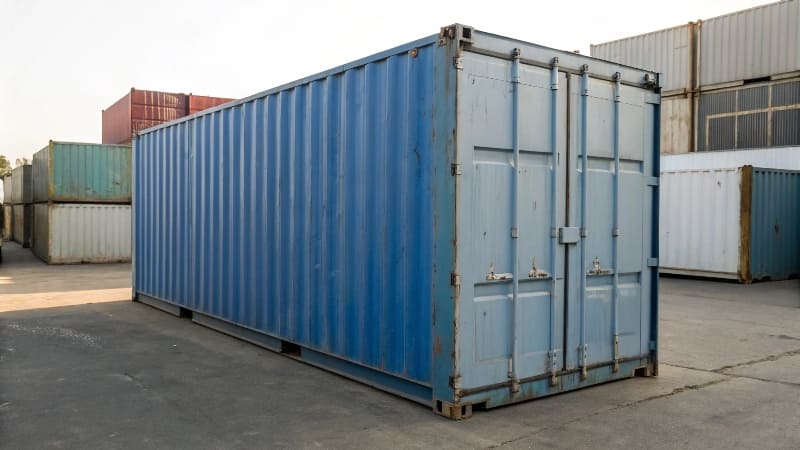
Understanding Price Range Factors
In my experience, prices differ because each container has its own life story—where it’s been, how it’s maintained, and what it’s meant for next.
| Condition | Typical Price Range | Best Use |
|---|---|---|
| New (One Trip) | USD 3,000–5,000 | Residential or high-visibility projects |
| Cargo Worthy Used | USD 2,000–3,000 | Shipping, general storage |
| Wind & Water Tight (WWT) | USD 1,800–2,500 | Site storage, non-critical shelter |
| As-is Grade | Below USD 1,500 | Scrap or creative reuse |
Buyers should confirm structural quality—door operation, flooring, rust level, and corner casting—all of which affect real-world value more than the sticker price.
Should I Ask If the Price Is Negotiable?
Some customers worry asking for flexibility might seem unprofessional. In truth, this is standard practice in the shipping container industry.
Yes, you should politely ask if the price is negotiable. Suppliers expect questions about total cost and possible adjustments depending on quantity, delivery distance, or repeat purchase potential.
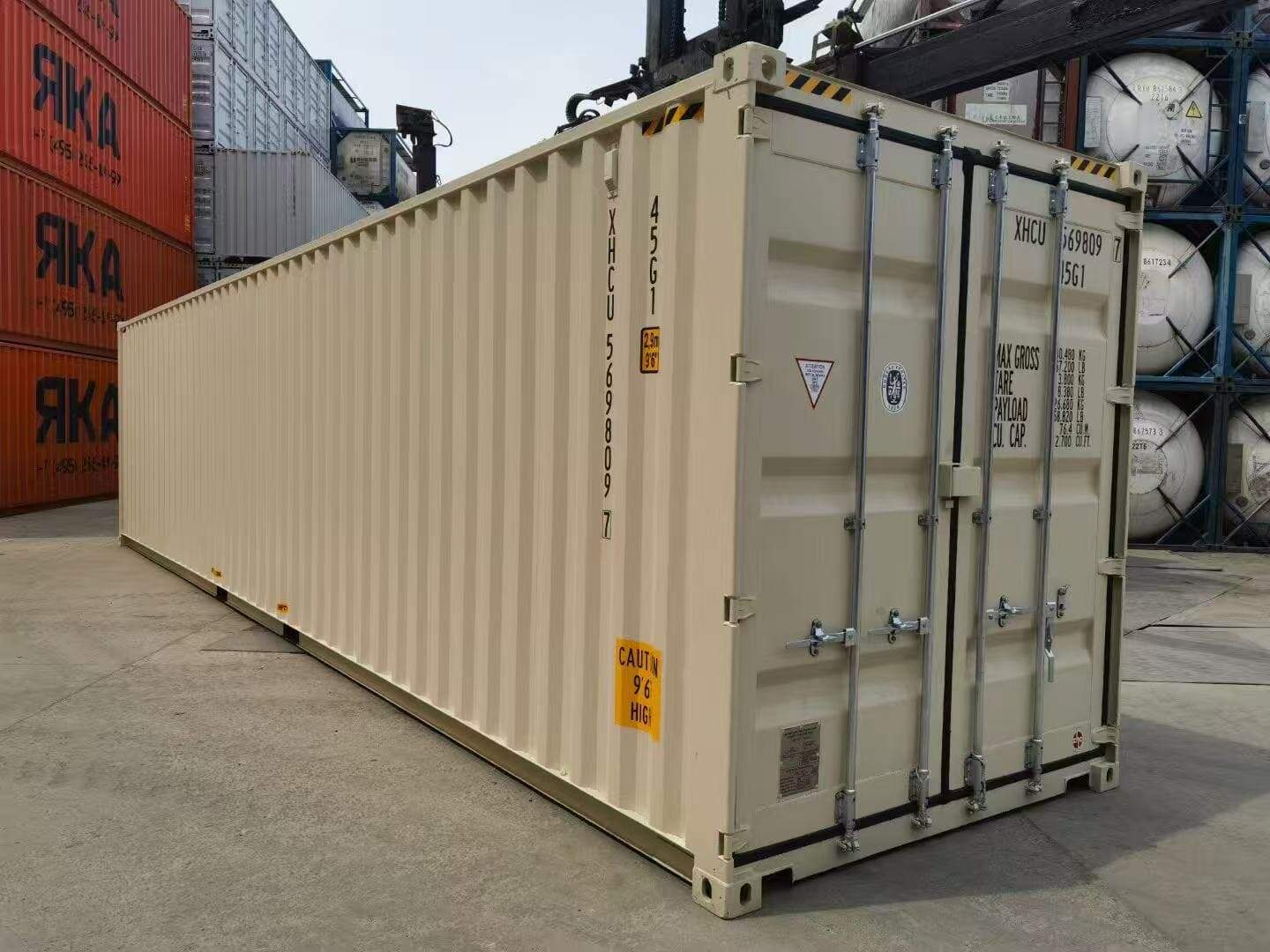
The Right Way to Ask
Over time, I’ve found the best negotiations happen when buyers explain their intended project clearly. Transparency helps us tailor offers with value rather than random discounts.
-
Clarify Purpose: Let the seller know if it’s for storage, housing, or resale.
-
Ask About Inclusions: Delivery, paint, locks, or modification may affect total price.
-
Request Volume Pricing: If buying multiple units, suppliers often combine shipping costs.
-
Build Long-Term Relationship: Repeat customers often get consistency benefits and priority sourcing.
| Negotiation Focus | Why It Works | Example |
|---|---|---|
| Bundle and Delivery | Helps reduce logistics cost per unit | 2 containers, single delivery |
| Multi-Condition Options | Compare WWT vs Cargo Worthy | Match project budget |
| Service Inclusion | Involves installation or repainting | Adds practical value |
| Payment Flexibility | Reliable buyers get slight adjustment | Early or batch payment discount |
When handled respectfully, negotiation builds partnership instead of pressure, leading to fair trade and stable supplier support over time.
Conclusion
Container prices are flexible and influenced by many factors: market demand, logistics, and condition. Negotiation is common and should center on matching container value to your needs. For a 20-foot container, expect to pay between USD 1,800–5,000 depending on condition. Always ask about negotiability—not to chase the lowest number, but to ensure fair value, transparent cost, and long-term reliability in your container investment.
