




# What Does NOR Container Mean and How Is It Transforming Modern Construction?
Container terminology confuses many people entering the shipping or construction industry. Understanding these distinctions can save you thousands in project costs.
NOR container means "Non-Operating Reefer" - a refrigerated shipping container that no longer functions as a cooling unit but retains its insulated structure, making it ideal for storage and construction conversion projects.

I've been working with container conversions for over fifteen years, and NOR containers represent one of the most misunderstood yet valuable options in the market. These units offer superior insulation properties at a fraction of the cost of new refrigerated containers.
What Exactly Is a 40 NOR Container and Why Should You Care?
The specifications of 40 NOR containers make them uniquely suited for specific applications that standard containers cannot handle effectively.
A 40 NOR container is a 40-foot Non-Operating Reefer container with enhanced insulation, thicker walls, and better sealing than standard dry containers, originally designed for refrigerated transport but now used without cooling systems.
The construction quality of 40 NOR containers exceeds standard shipping containers significantly. During my years selling these units, I've noticed that customers often underestimate their value proposition. The walls contain 3-4 inches of polyurethane foam insulation compared to minimal insulation in dry containers. This creates natural temperature control that reduces heating and cooling costs by 40-60% in conversion projects.
The structural integrity also surpasses standard containers. Reefer containers were built to handle temperature fluctuations and maintain precise environmental controls, requiring stronger frames and better sealing systems. When the refrigeration unit fails and the container becomes "NOR," you retain all these superior construction features at a significant discount.
Key specifications that set 40 NOR containers apart include:
| Feature | 40 NOR Container | Standard 40' Container | Advantage |
|---|---|---|---|
| Wall Thickness | 4-6 inches | 2 inches | Better insulation |
| R-Value | 20-25 | 3-5 | Superior energy efficiency |
| Floor Structure | Aluminum T-floor | Plywood | Moisture resistance |
| Sealing Quality | Refrigerated-grade | Standard | Weather protection |
| Internal Height | 8'6" | 8'6" | Same usable space |
| Price vs New Reefer | 60-70% less | N/A | Cost effectiveness |
I've sold hundreds of these units to various customers, from cold storage operators to container home builders. The aluminum T-floor design provides excellent drainage and prevents moisture accumulation that plagues wooden floors in standard containers. This feature alone saves thousands in potential floor replacement costs during conversion projects.
What Are the Three Main Types of Containers Available Today?
Understanding container categories helps you select the optimal unit for your specific application and budget requirements.
The three primary container types are dry containers for general cargo, refrigerated containers for temperature-controlled goods, and open-top containers for oversized cargo that requires top-loading access.
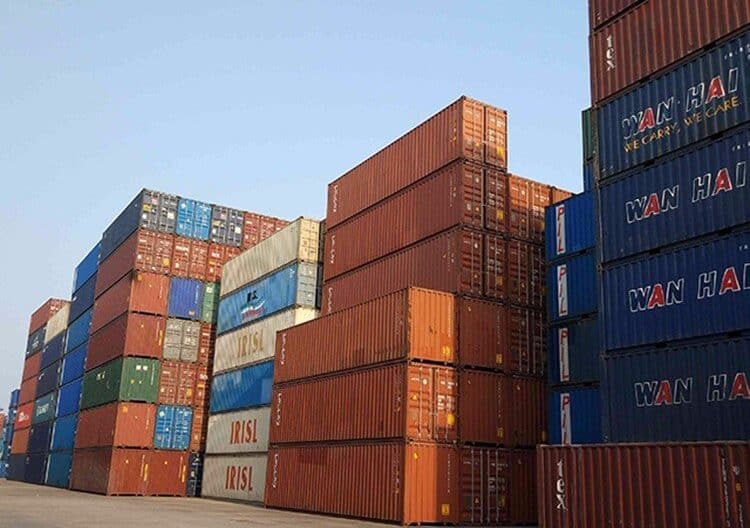
Each container type evolved to serve specific logistics requirements, but their applications have expanded far beyond original shipping purposes. I've worked with all three types extensively and can guide you through their distinct characteristics and optimal use cases.
Dry Containers represent the most common type, accounting for about 90% of global container fleet. These units feature corrugated steel walls, wooden floors, and standard cargo doors. They're designed for general merchandise, manufactured goods, and non-temperature sensitive cargo. In conversion applications, dry containers offer the lowest initial cost but require additional insulation for climate control.
Refrigerated Containers (Reefers) include both operating and non-operating units. Active reefers maintain temperatures from -30°C to +30°C using integrated refrigeration systems. NOR containers fall into this category after their cooling systems fail or are decommissioned. The superior insulation and structural integrity make them premium choices for conversion projects requiring temperature stability.
Open-Top Containers feature removable tarpaulin roofs instead of solid steel tops, designed for cargo that exceeds standard door dimensions. These containers work well for loading machinery, bulk materials, or oversized equipment. In building conversions, the removable top facilitates major interior modifications and allows natural lighting through skylight installations.
Here's how these types compare for different applications:
| Application | Best Container Type | Reasoning |
|---|
